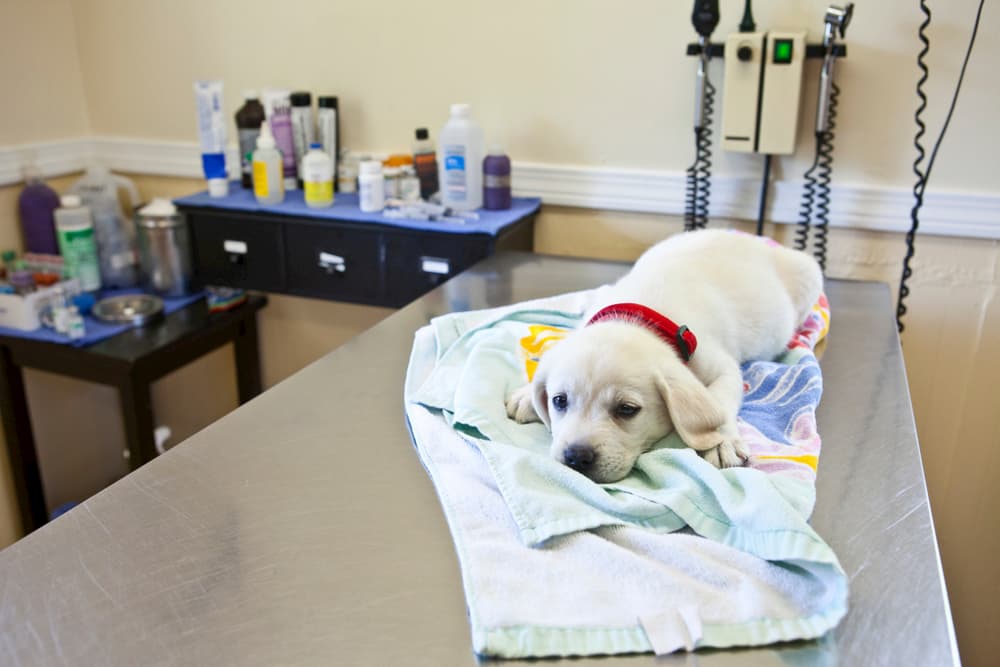
Your puppy’s first vet visit is a little like the first day of school: exciting, slightly chaotic, and full of questions you did not realize you had until you’re in the parking lot holding a wriggly baby shark with teeth.
The good news is that the appointment is mostly about getting a baseline and making sure your pup is healthy. You will also leave with a clear plan for vaccines, parasite prevention, nutrition, and all the first-year stuff that sneaks up fast. Here’s exactly what to expect and what to bring so you can focus on your puppy, not your brain trying to remember where you put that paperwork.
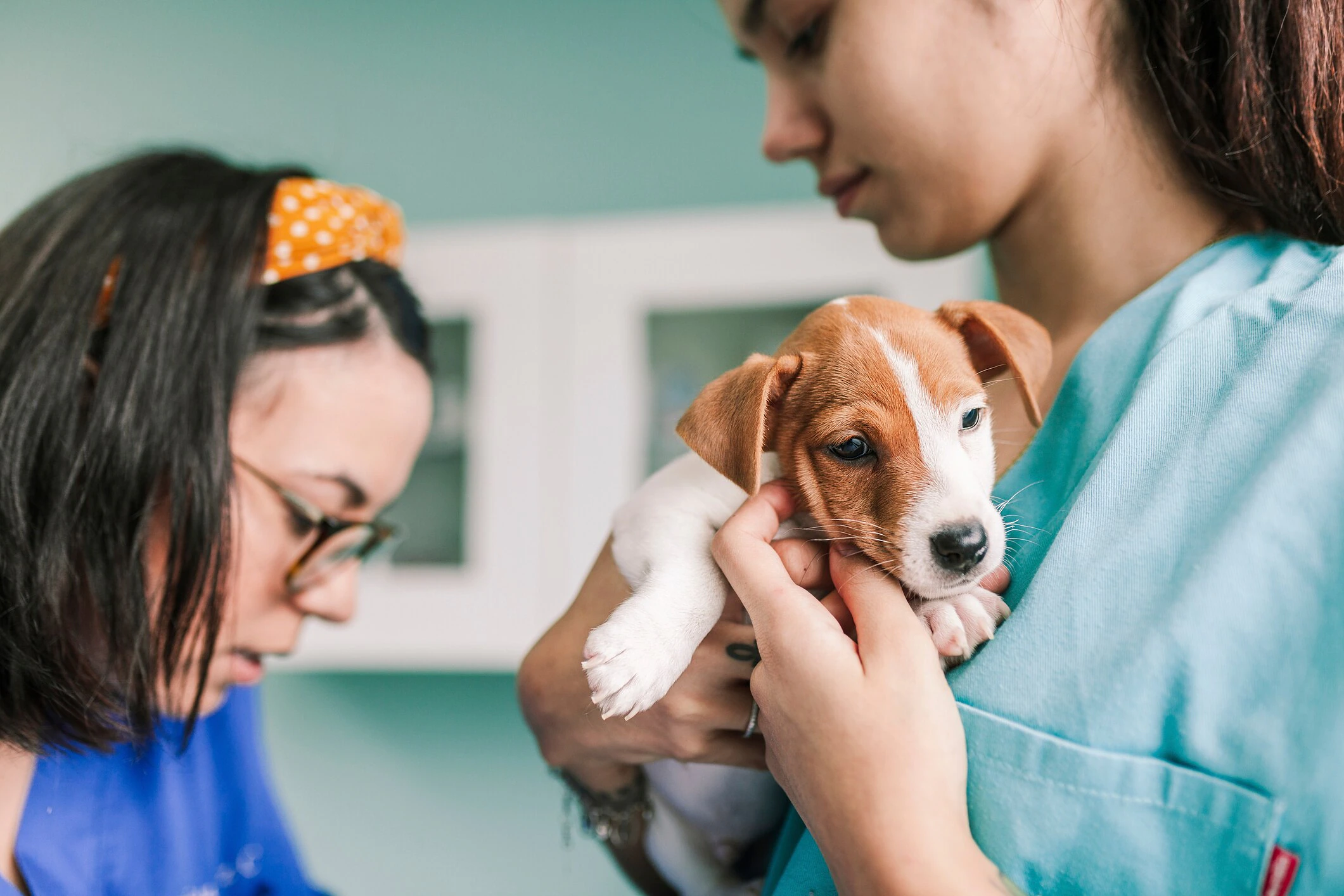
Book it at the right time
If your puppy is brand new to your home, many veterinary clinics, shelters, and breeders recommend a first checkup within the first few days (often within 48 to 72 hours). Even if your pup looks perfectly fine, early visits help catch things like parasites, mild respiratory infections, or congenital issues before they become expensive, exhausting surprises.
If your puppy is mid-vaccine series, tell the clinic your puppy’s age and any vaccine dates you already have so they can book the right length appointment and keep you on schedule.
What to bring: the “I will thank myself later” checklist
Paperwork and info
- Any medical records you have: vaccine dates, deworming history, microchip paperwork, spay or neuter info, and prior vet notes.
- Adoption or breeder paperwork: it often includes helpful details like birth date, litter info, or prior treatments.
- A list of current food and treats: brand, formula, and how much you are feeding. If you can, snap photos of the labels.
- Behavior notes: coughing, sneezing, soft stool, scratching, licking, reverse sneezing, car sickness, anything you noticed even once at 2 AM.
Safe transport and handling
- A secure carrier for small puppies or a harness and leash for bigger pups. Many young puppies can slip a collar like it is their part-time job.
- A towel or small blanket that smells like home. It helps nervous puppies settle on the scale or exam table.
- High-value treats: tiny and soft. Think pea-sized, not “whole biscuit in the mouth while the vet tries to look at teeth.”
- Poop sample if your clinic requests it. Use a clean bag or container and call ahead for their preference.
Clean-up supplies (because puppies)
- Baby wipes or pet-safe wipes.
- Paper towels and a spare bag.
- An extra pee pad for the car seat or carrier.
Before you go: set your puppy up for success
- Skip the dog park and other high-traffic dog areas until your vet confirms vaccine protection. Puppies are adorable, but their immune systems are still under construction.
- Let your puppy potty right before you walk in. Most clinics have a small relief area. If not, ask where it is okay to go.
- Arrive a few minutes early so you are not speed-walking a nervous puppy through the door.
- Bring treats and keep it upbeat. Your goal is for the vet clinic to feel like “new smells and snacks,” not “place where my toes were touched.”
If your puppy gets carsick, tell your vet. Do not give human medications unless your vet specifically instructs you to.
What happens during the exam
Every clinic has its own flow, but most first puppy visits include the same core pieces.
1) Weight and baseline vitals
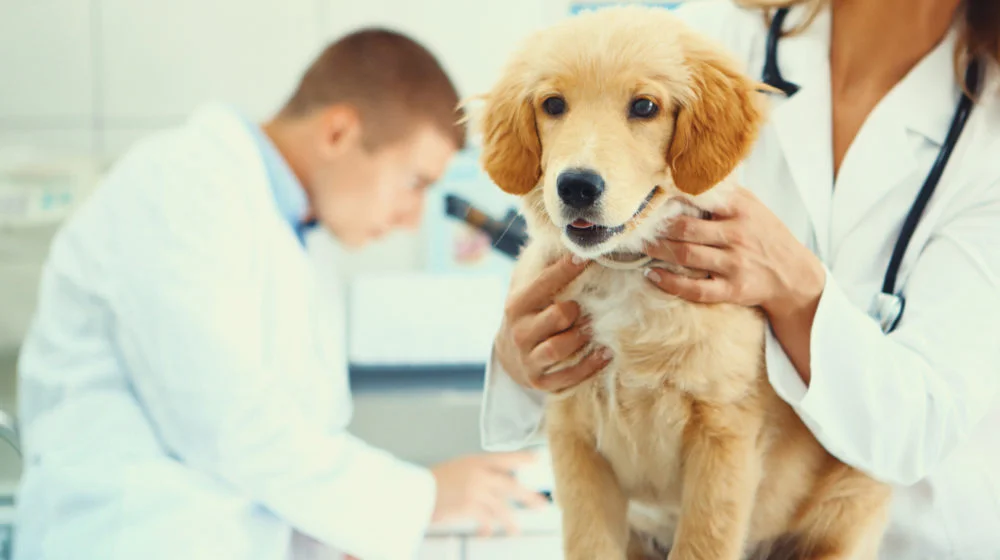
Your vet team will weigh your puppy and check vital signs. Weight is a big deal in puppyhood because it guides dosing for preventatives and helps confirm healthy growth.
2) Nose-to-tail physical exam
Expect the vet to gently check:
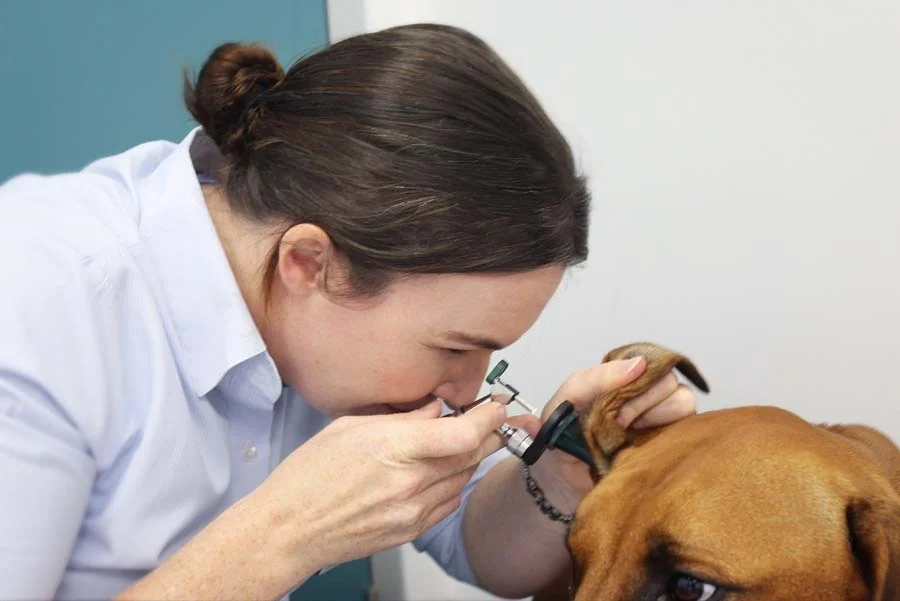
- Eyes, ears, and mouth (including baby teeth and gums)
- Heart and lungs with a stethoscope
- Abdomen for discomfort or abnormalities
- Skin and coat for fleas, irritation, or infection
- Joints and mobility
- Genitals and umbilical area (yes, they look at everything)
It is normal for puppies to squirm, mouth hands, or sing the song of their people. The staff has seen it all, I promise.
3) Parasite discussion and testing
Most puppies need a plan for intestinal worms, fleas and ticks, and heartworm prevention. Your vet may recommend a fecal test to check for parasites like roundworms, hookworms, whipworms, and Giardia, depending on your region and your puppy’s background.
4) Vaccines and a schedule
Your vet will review any vaccines already given and map out what comes next. Many puppies receive a series of core vaccines over multiple visits, plus lifestyle-based vaccines based on where you live and what your puppy will do.
Core vaccines commonly include DAPP or DA2PP (distemper and parvovirus combo) and rabies. Lifestyle vaccines may include Bordetella, leptospirosis, Lyme, or canine influenza. Your vet will tailor the plan to local risk and your puppy’s needs.
If your puppy is under 16 weeks, your vet will likely talk about why multiple boosters are needed and when it is safer to start higher-risk activities.
5) Microchip scan (if applicable)
If your puppy is already microchipped, they may scan it to confirm it is working and confirm the ID number matches the paperwork. If your puppy is not microchipped yet, your vet can explain timing and options.
6) Nutrition and growth guidance
This is the perfect time to ask, “Am I feeding the right amount?” because puppy bodies change fast. Your vet can also help you choose a food that fits your puppy’s size, breed tendencies, and tummy sensitivity.
Questions to ask your vet
If you ask nothing else, ask these. They will save you so much second-guessing later.
Health and prevention
- What vaccine schedule do you recommend for my puppy’s age and background?
- Which vaccines are core for my puppy, and which are lifestyle-based for our area?
- When is my puppy considered protected enough for puppy classes, grooming, or boarding?
- Which flea, tick, and heartworm preventatives do you recommend here, and when do we start?
- Do you recommend a fecal test today, and how often should we recheck?
- What parasites are most common in our area?
- What symptoms should trigger a same-day call?
Nutrition and growth
- Is my puppy’s body condition where it should be right now?
- How much should I feed per day, and how many meals?
- When should I switch from puppy food to adult food?
- Are there treats or chews I should avoid at this age?
Behavior and training realities
- Is my puppy’s biting, chewing, or mouthiness normal for this age?
- Any red flags you want me to watch for with fear, reactivity, or resource guarding?
- What is your guidance on safe socialization before vaccines are complete?
- What should I look for in a safe puppy class (vaccine rules, cleaning protocols, supervised play)?
Spay or neuter timing
- What timing do you recommend for my puppy, and why?
- What should I plan for recovery and activity restrictions?
Household safety
- What human foods are most dangerous for puppies?
- What are common pet toxins in our area (for example, rodenticides)?
- Which emergency clinic should I use after hours?
Budget and planning
- Can you share an estimate for today and for the next few puppy visits?
- Do you offer puppy wellness packages, and what do they include?
Insurance note
If you are considering pet insurance, this is a smart time to ask how your clinic handles records and claims. Many policies do not cover pre-existing conditions, so enrolling early can matter.
Common first-visit add-ons
Depending on your puppy’s age, history, and your clinic, you may be offered:
- Fecal test to screen for intestinal parasites, even if the stool looks normal.
- Deworming as treatment or prevention based on age and exposure risk.
- Heartworm test for older puppies or those with unknown prevention history. Whether testing is needed can vary by age, region, and risk, so your vet will guide you.
- Vaccines if your puppy is due that day.
- Microchipping if not already done.
Never feel weird about asking, “Is this essential today, or can it wait?” Good vets expect that question and will walk you through priorities.
Keep the visit calm
Some puppies strut into the clinic like they own the place. Others act like the floor is lava. Either way, you can help.
- Feed tiny treats the whole time (unless your vet asks you to pause for a specific exam).
- Use happy handling at home: touch paws, lift lips, gently hold ears, then treat. Two minutes a day goes a long way.
- Ask the staff to go slow if your puppy is fearful. Most teams are fantastic at pacing.
- Bring a lickable treat (like a little smear on a spoon) if your clinic allows it. Licking can be soothing.
If your puppy is extremely panicked, tell your vet. There are ways to make future visits less stressful, and sometimes that includes planning ahead instead of white-knuckling through it.
After the appointment
- Give your puppy a quiet nap window. The clinic is sensory overload.
- Watch for mild post-vaccine effects if vaccines were given. Sleepiness, mild soreness, or a low-grade fever can happen for a day or so.
- Monitor the injection site for soreness or a small bump. Call your vet urgently if you notice significant swelling, hives, vomiting, facial swelling, or trouble breathing.
- Start your routine: prevention meds schedule, feeding plan, and the next appointment date. Future-you will be grateful.
Call the vet right away
Trust your gut. Puppies can go downhill quickly, and it is always okay to call and ask.
- Repeated vomiting or diarrhea, or any diarrhea with blood
- Not eating for a full day in a young puppy, or acting weak and listless
- Bloated belly, repeated gagging, or unproductive retching
- Coughing that is frequent, worsening, or paired with lethargy
- Pale gums, trouble breathing, or collapse
- Possible toxin exposure (chocolate, xylitol, grapes or raisins, medications, rodenticides)
Printable checklist
- Medical records and vaccine dates
- Food and treat details (photos of labels help)
- List of symptoms or concerns (even small ones)
- Carrier or secure harness and leash
- Towel or blanket that smells like home
- Soft training treats
- Poop sample if requested
- Wipes and paper towels
- Questions list (screenshot the section above)
- Next appointment booked before you leave
FAQ
Can my puppy meet other dogs before vaccines are finished?
Often yes, but thoughtfully. Controlled interactions with healthy, fully vaccinated adult dogs you know are very different from unknown dogs in high-traffic areas. If you choose a puppy class, look for one that requires age-appropriate vaccines, screens for illness, and keeps the space clean. Your vet can tell you what is safest in your area.
Should I feed my puppy before the appointment?
Usually yes. A slightly hungry puppy who will take treats is easier to handle and easier to reward. If your puppy is scheduled for anything that requires fasting, the clinic will tell you ahead of time.
What if I do not have vaccine records?
Tell your vet what you know, even if it is “they said he got one shot, but I do not know which.” Your vet can set a safe plan, which may include restarting or continuing a series based on age and risk.
How long does a first puppy visit take?
Commonly 30 to 60 minutes depending on your clinic and what your puppy needs that day. Your first visit is also when you tend to ask the most questions, which is exactly how it should be.