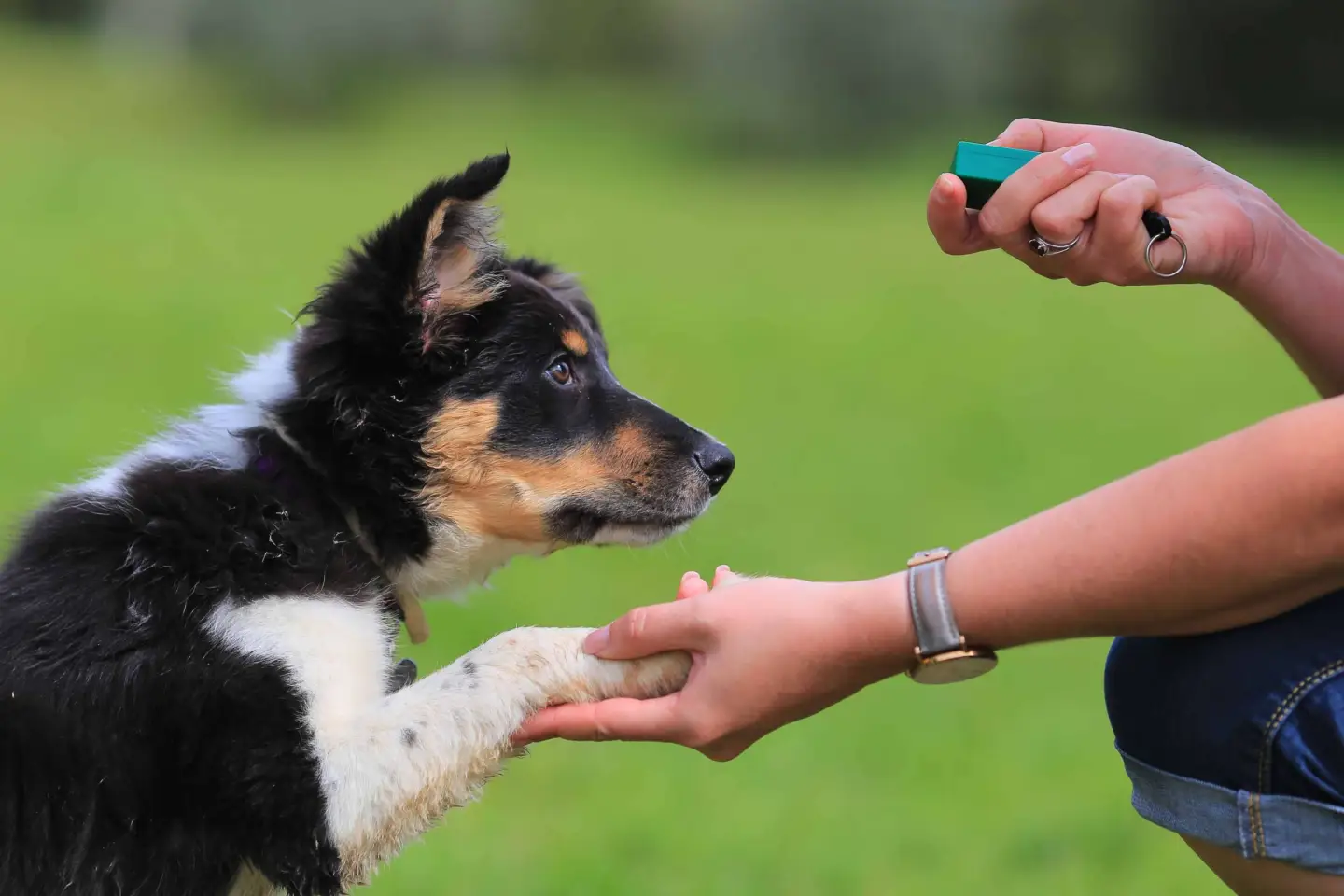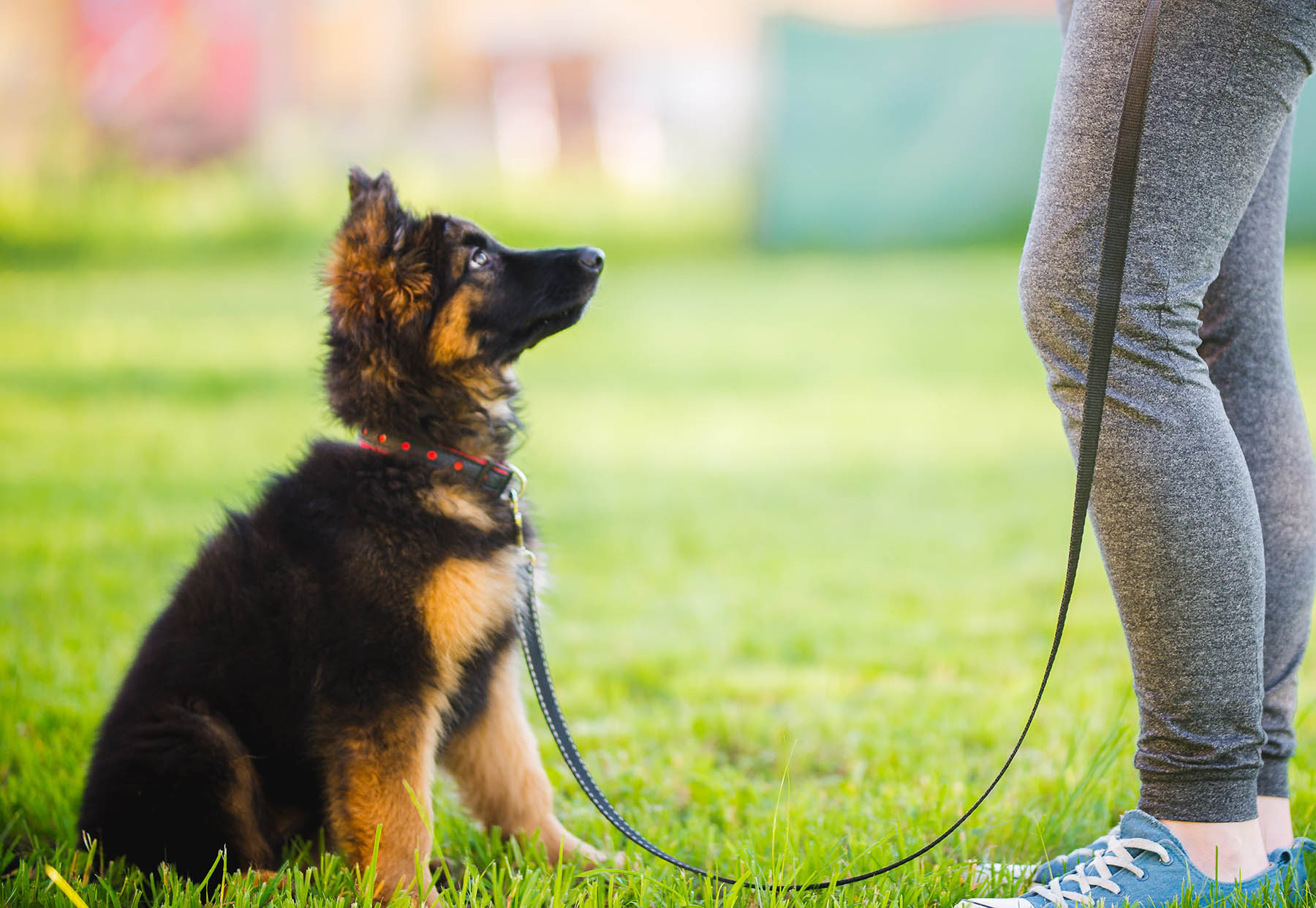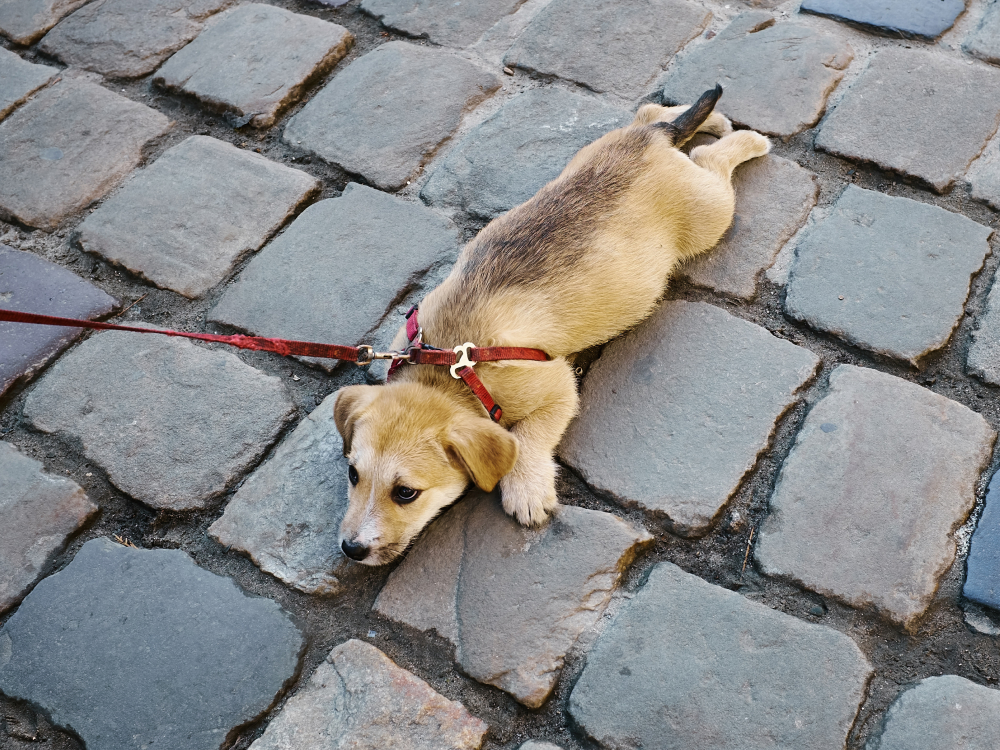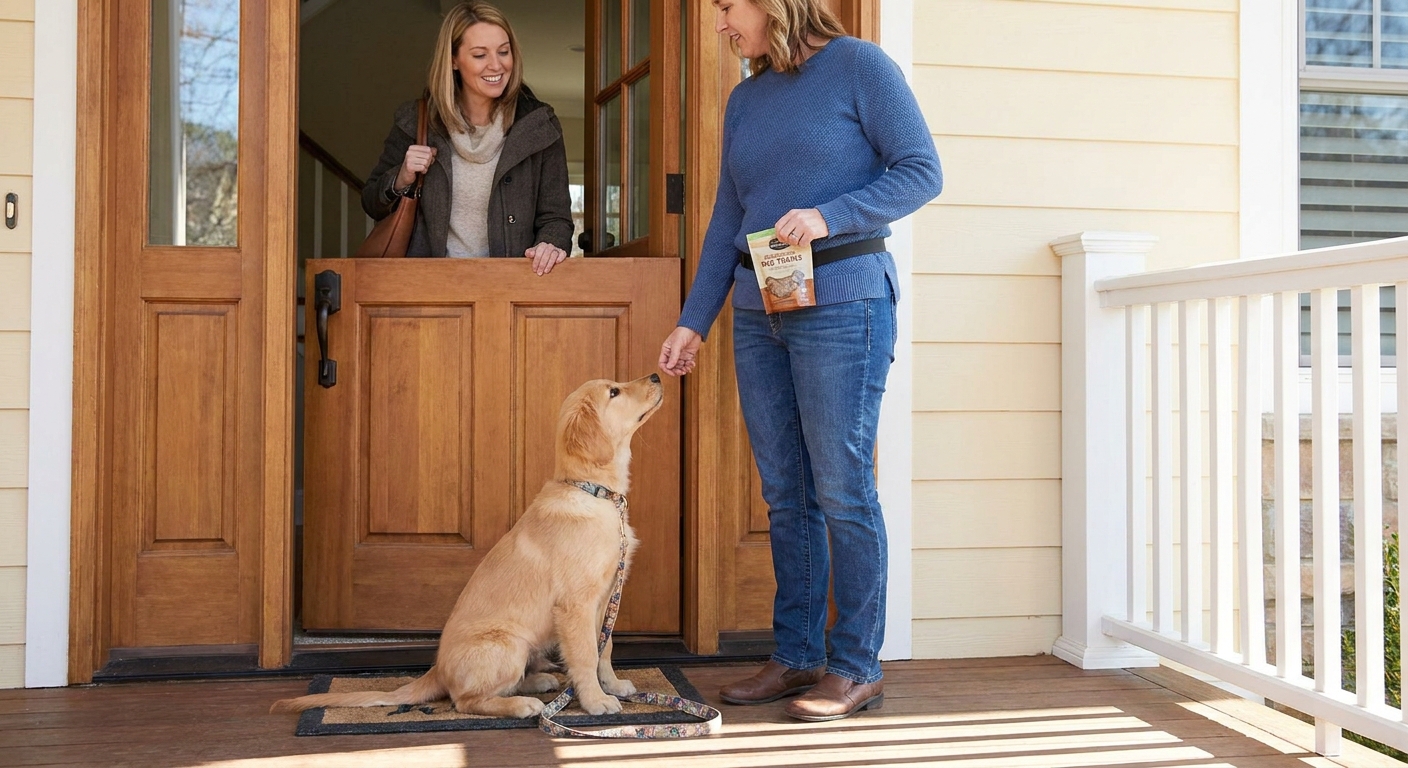
If you have ever tried to teach “sit” while your puppy is more interested in the dust bunny under the couch, you already understand the power of a truly good treat. The best puppy training treats are not the fanciest or most expensive. They are the ones your puppy will work for right now, in tiny bites, without turning your sweet baby into a roly-poly meatball.
Below are my go-to high-value options (including grocery store fixes), plus an easy way to manage treat calories so you can train a lot and still keep your puppy growing at a healthy pace.
What makes a treat “high-value”?
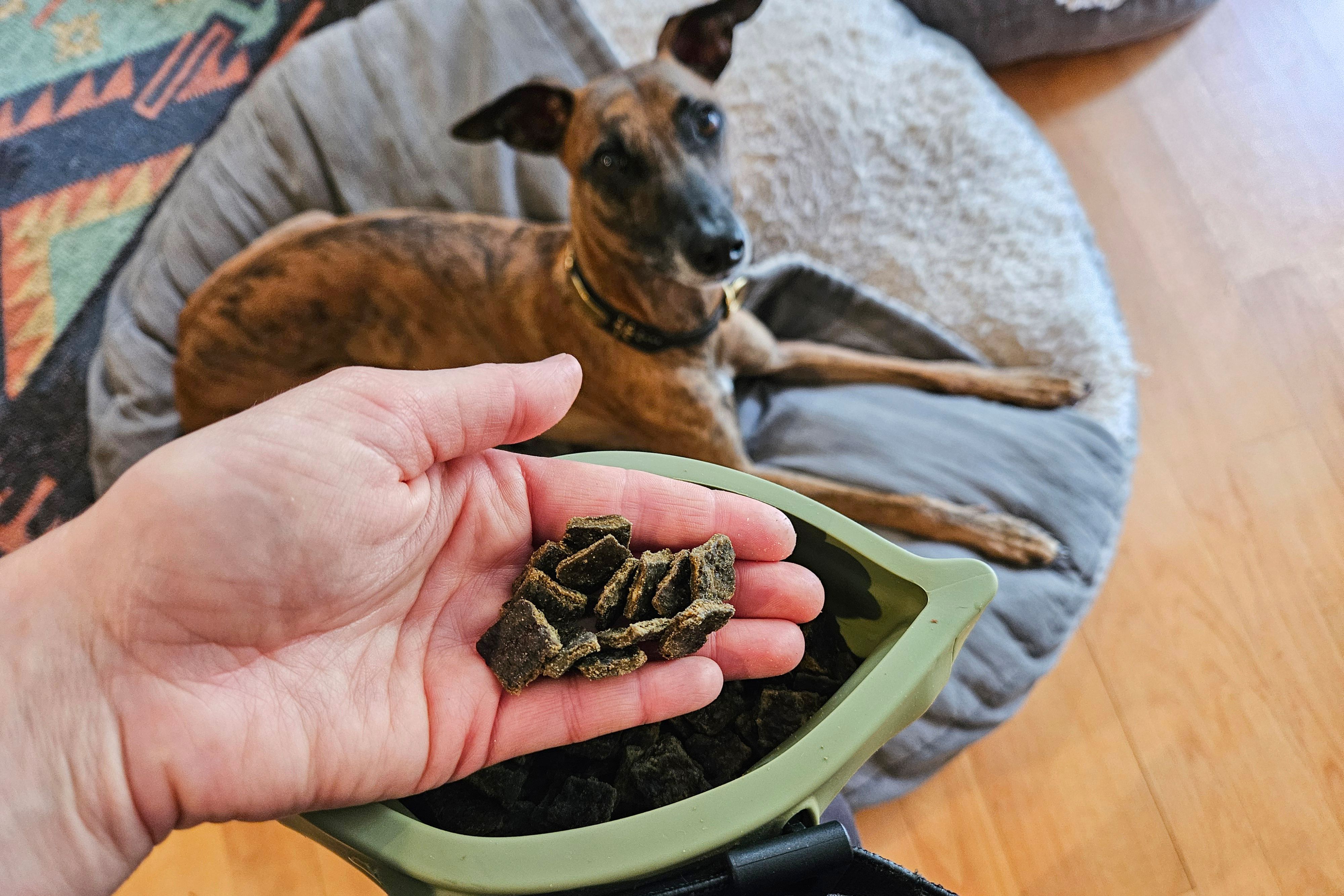
“High-value” just means your puppy finds it extra motivating. In my foster house, value usually depends on three things:
- Smell: stinkier often equals better (sorry).
- Texture: soft and easy to chew wins, especially for teething pups.
- Novelty: something they do not get in their bowl every day.
The right value depends on the situation. Your living room might only require kibble. The front yard with squirrels may require the good stuff.
Best training treats (by type)
1) Commercial soft training treats
These are made for exactly what you are doing: lots of repetitions, tiny bites, fast chewing. Look for “training treats” or “soft chews,” ideally in small pieces you can break even smaller.
- Why I like them: consistent size, easy to carry, less crumbly than biscuits.
- What to look for: treats you can pinch in half with your fingers, and packaging that lists calories per treat.
- Calorie tip: in my house, if one treat feels “too big” for rapid-fire training (or the label shows a higher calorie count), I break it into 2 to 4 rewards. Tiny puppies often need even smaller bits than big, goofy teenagers.
2) Freeze-dried meat (use like seasoning)
Freeze-dried liver, chicken, salmon, and other single-ingredient treats are basically puppy gold. They also tend to be calorie-dense, so you want tiny crumbs, not chunks.
- Why it works: intense smell and taste.
- Best use: difficult distractions, recall practice, loose-leash training outdoors.
- Watch-outs: rich options like liver can loosen stool if you overdo it, especially with young puppies. Also, organ meats are powerful stuff, so do not make liver your everyday, all-day treat for weeks on end. Rotate treats and keep portions small.
3) Fresh “people food” treats (my foster secret weapon)
When I need big focus fast, I reach for fresh, soft, smelly foods in pea-sized pieces.
- Great options: plain cooked chicken, turkey, lean beef, or scrambled egg.
- Why it works: soft texture, high palatability, easy swallowing in quick sessions.
- Safety note: keep it plain. No onion, garlic, heavy butter, salt, or seasoning blends.
- Hygiene note: use clean hands, refrigerate promptly, and toss leftovers that sat out. This matters even more for very young puppies or pups finishing vaccines.
4) Kibble as a training treat (yes, it counts)
If your puppy likes their food and you are training in a low-distraction environment, kibble is perfect. Bonus: it is already part of their daily calories.
- How to use it: measure the meal, then pull a portion into a treat pouch for training throughout the day.
- Why it helps: keeps calories predictable and prevents accidental overfeeding.
5) Wet food in a squeeze tube
This is messy, a little ridiculous, and wildly effective for some puppies. Put a small amount of puppy-safe wet food (or canned food from your puppy’s diet line) into a silicone travel bottle or squeeze tube and use tiny licks as the reward.
- Best for: shy puppies, big distraction environments, “leave it,” grooming practice.
- Why it works: licking can be calming for many puppies, and you can deliver micro-rewards without lots of calories.
How small should treats be?
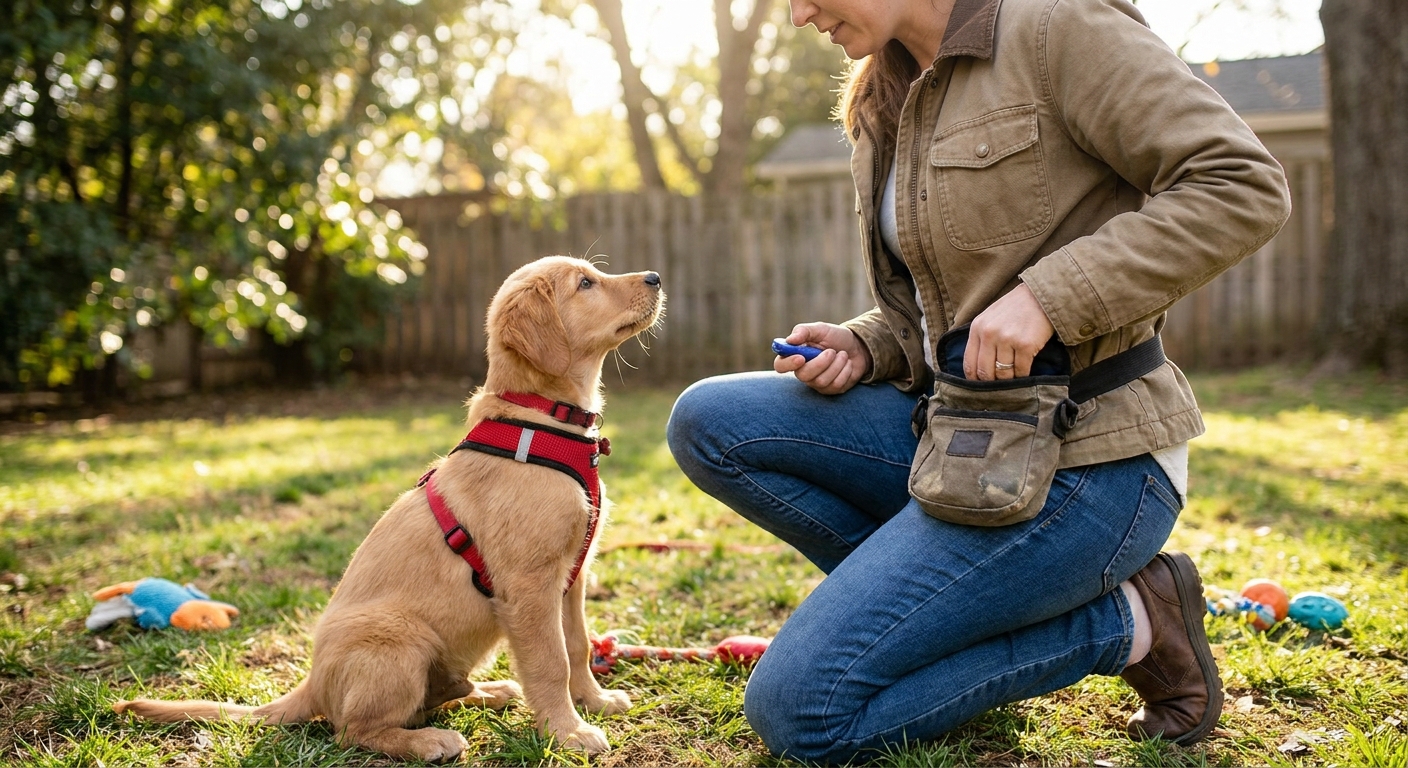
Smaller than you think. For most puppies, aim for pea-sized or smaller. You are paying for behavior, not feeding a snack.
A quick size reality check:
- Tiny breeds and very young puppies: grain-of-rice size is not overkill.
- Medium to large puppies: pea-sized is usually plenty, and you can still go smaller for faster reps.
If your puppy takes too long to chew, you lose momentum. If your puppy is gulping and getting frantic, go smaller or switch to a softer treat so they can eat calmly and keep working.
Treat calories without the math
Puppies need good nutrition for growth, so treats are the accessory, not the main outfit. Many vets and pet nutrition pros suggest keeping treats to around 10% (or less) of daily calories, but it is still a guideline, not a law. Age, breed, activity level, and medical needs can change the target.
The simplest method: a “treat budget” from meals
- Measure your puppy’s full daily kibble in the morning (the amount you plan to feed that day).
- Set aside a portion in a container or treat pouch to use for training.
- Feed the rest in meals as usual.
This one tweak prevents most accidental overfeeding, because your training rewards are coming from the same daily allotment.
When you use higher-calorie treats
If you are using freeze-dried meat or soft chews, do one of these:
- Reduce meal portions slightly on heavy-training days (especially for small breeds).
- Mix treat types: use kibble for easy reps and high-value treats only for hard moments.
- Split everything: one “treat” becomes 2 to 4 rewards.
The rule I use at home
If I know we are training a lot, I keep treats visually tiny and I watch my puppy’s body condition more than the calculator. You should be able to feel ribs under a thin layer of padding and see a waist from above. If your puppy is starting to look more like a loaf of bread than an athlete, tighten the treat budget for a week.
Reading treat labels
You do not need to become a label detective, but a quick glance helps.
What matters most
- Calories per treat: your overfeeding prevention tool.
- Texture: soft is usually better for rapid-fire rewards.
- Ingredient simplicity: helpful for sensitive stomachs or possible food sensitivities.
What I worry about less
- Perfect macros: treats are a small slice of the diet.
- Grain vs grain-free debates: unless your vet has you avoiding something specific, focus on tolerability and portion control.
Treat strategies that help
Use a value ladder
Keep at least two treat levels:
- Everyday: kibble or low-value treats for easy cues indoors.
- High-value: meat or something special for outdoors, distractions, recall, or fear moments.
This keeps your puppy from getting bored and keeps you from accidentally using filet mignon to pay for a simple sit.
Deliver treats fast and low
For many puppies, delivering the treat near your leg helps with loose-leash walking and focus. Fast delivery also prevents jumping and pawing.
Store treats safely
Training treats go bad faster than crunchy biscuits. Use airtight containers, keep fresh treats refrigerated, and toss anything that smells “off.” When in doubt, do not risk it. Puppy stomachs are dramatic.
Common problems (and fixes)
My puppy gets diarrhea from treats
- Switch to kibble-only for a few days and keep sessions short.
- Reintroduce new treats slowly, especially rich meats.
- Try single-ingredient options so you can identify what does not agree.
- If diarrhea is persistent, severe, or your puppy is lethargic, call your vet.
My puppy is not motivated by treats
- Train before meals when your puppy is a little hungry.
- Upgrade the treat value. Warm chicken beats dry biscuits almost every time.
- Try a toy reward for some puppies, especially high-energy herding types.
My puppy gets too hyped and bitey
- Use larger, softer pieces they can nibble more calmly, or deliver a lick from a squeeze tube.
- Slow down your rate of reward and add tiny pauses.
- Practice “take it” and “gentle” with calm delivery and treats presented on an open palm.
Treat safety reminders
- Avoid choking hazards: hard chunks, big cubes of cheese, or anything your puppy tries to swallow whole.
- Skip risky ingredients: xylitol (birch sugar), chocolate, grapes and raisins, onions, garlic, macadamia nuts.
- Peanut butter check: only use xylitol-free peanut butter, and keep it as an occasional treat.
- Avoid cooked bones and fatty scraps: they can splinter, upset stomachs, and turn training into a diarrhea festival.
- Be careful with long-lasting chews: they are not ideal for rapid training reps, and some are too hard for puppy teeth. If you do offer chews, supervise and ask your vet what is appropriate for your puppy’s age and chewing style.
Quick FAQ
How many treats can I give my puppy?
As many as you need for training if you budget them into daily calories. Many vets and nutritionists suggest aiming for treats at about 10% (or less) of the day, but adjust based on your puppy’s size, growth, and your vet’s guidance. The easiest approach is to use part of your puppy’s measured kibble for training.
What treats are best for potty training?
Use something your puppy loves and can swallow quickly, like soft training treats or tiny pieces of plain chicken. For potty training, speed matters because you want to reward immediately after they finish outside.
Can I train with kibble only?
Yes, and it works beautifully for many puppies indoors. Keep a higher-value option in your pocket for tougher situations like the front yard, visitors, or leash walking.
Are freeze-dried liver treats safe for puppies?
Generally, yes in small amounts, but they are rich. Use tiny pieces, rotate with other treats, and watch stool quality. If your puppy gets loose poop, switch to a leaner option or lower the amount.
The bottom line
The best puppy training treat is the one that motivates your pup without wrecking their tummy or their waistline. Keep treats soft, tiny, and varied. Use kibble for the easy stuff, save the high-value goodies for the hard stuff, and build a daily treat budget you can stick to even on the chaotic days when your puppy is learning everything at once.
If you want a simple starting plan, do this tomorrow: measure breakfast, scoop a handful into a treat pouch, and use that for sits, check-ins, and leash practice all morning. Your puppy will feel like they won the lottery, and you will not end the day wondering how they gained a pound overnight.