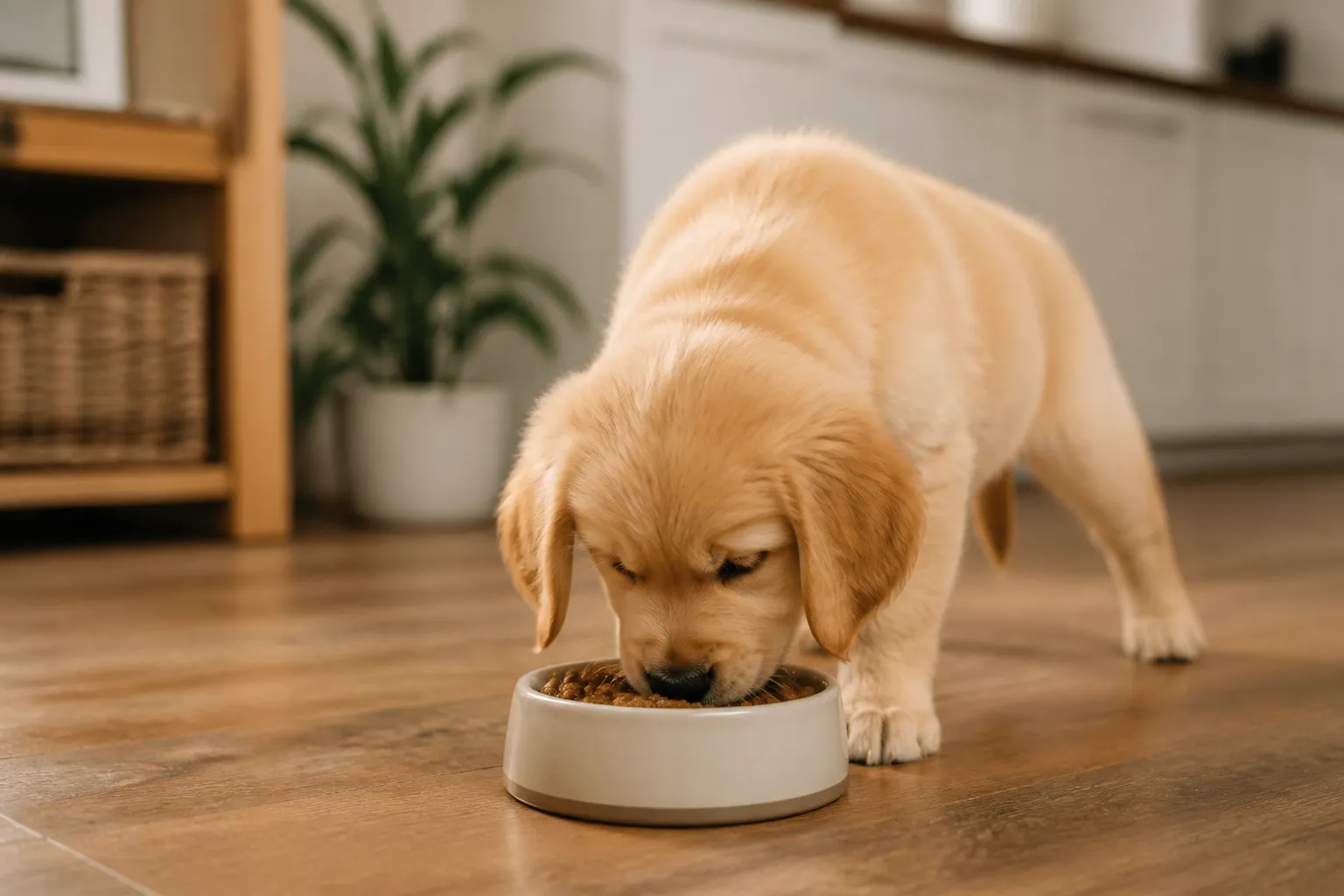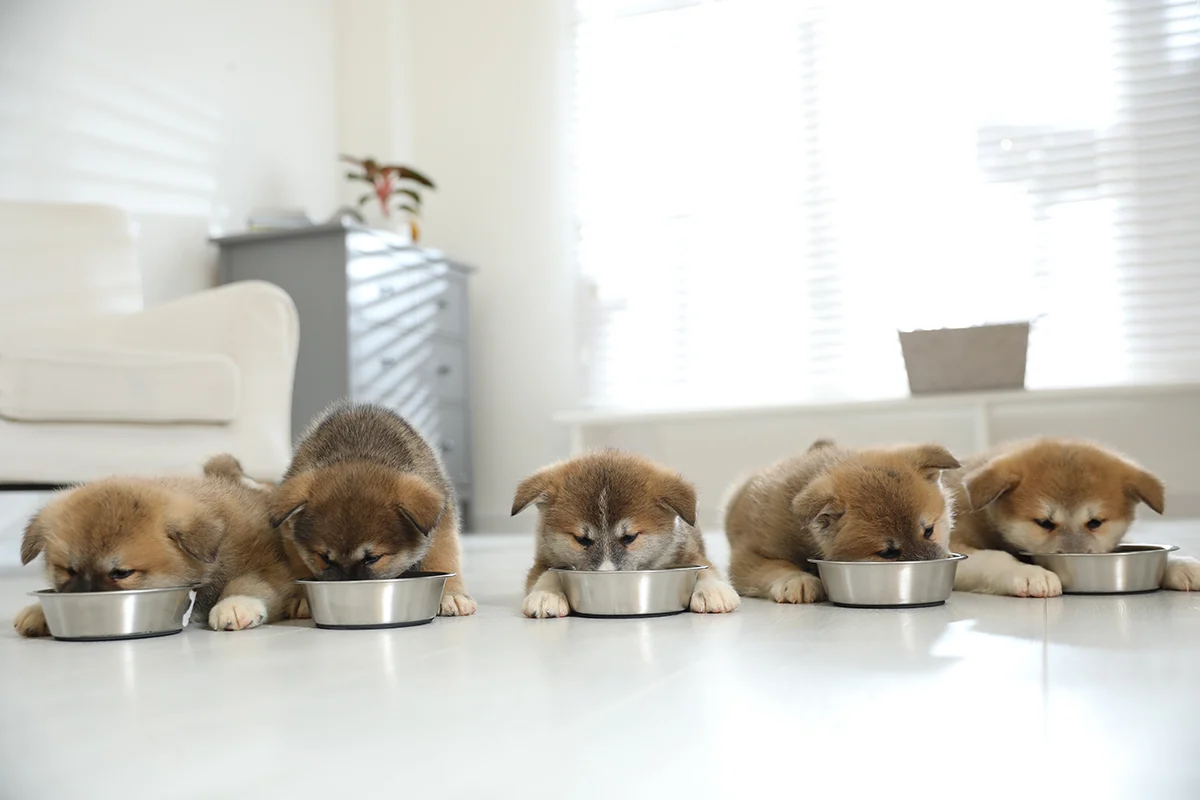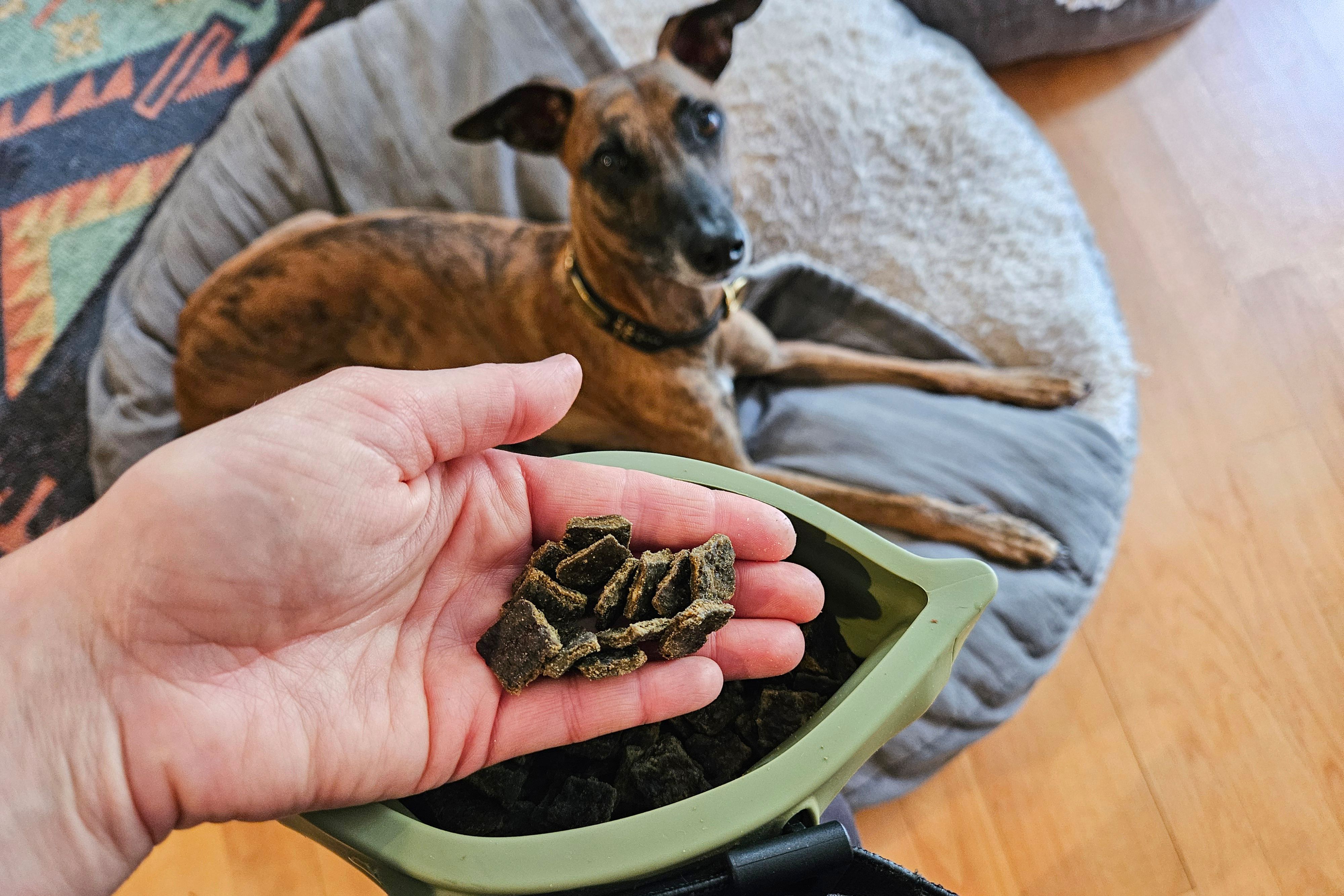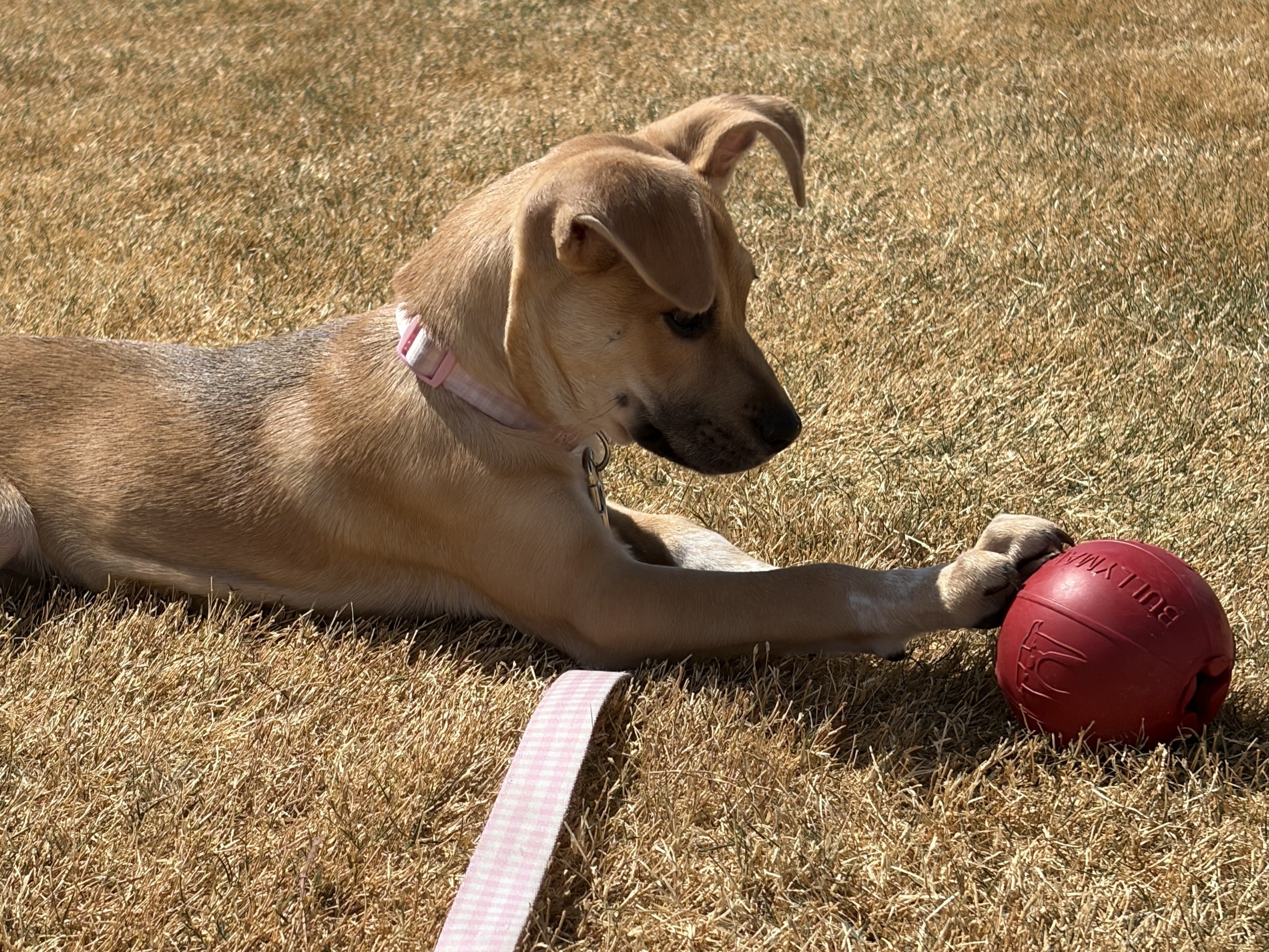
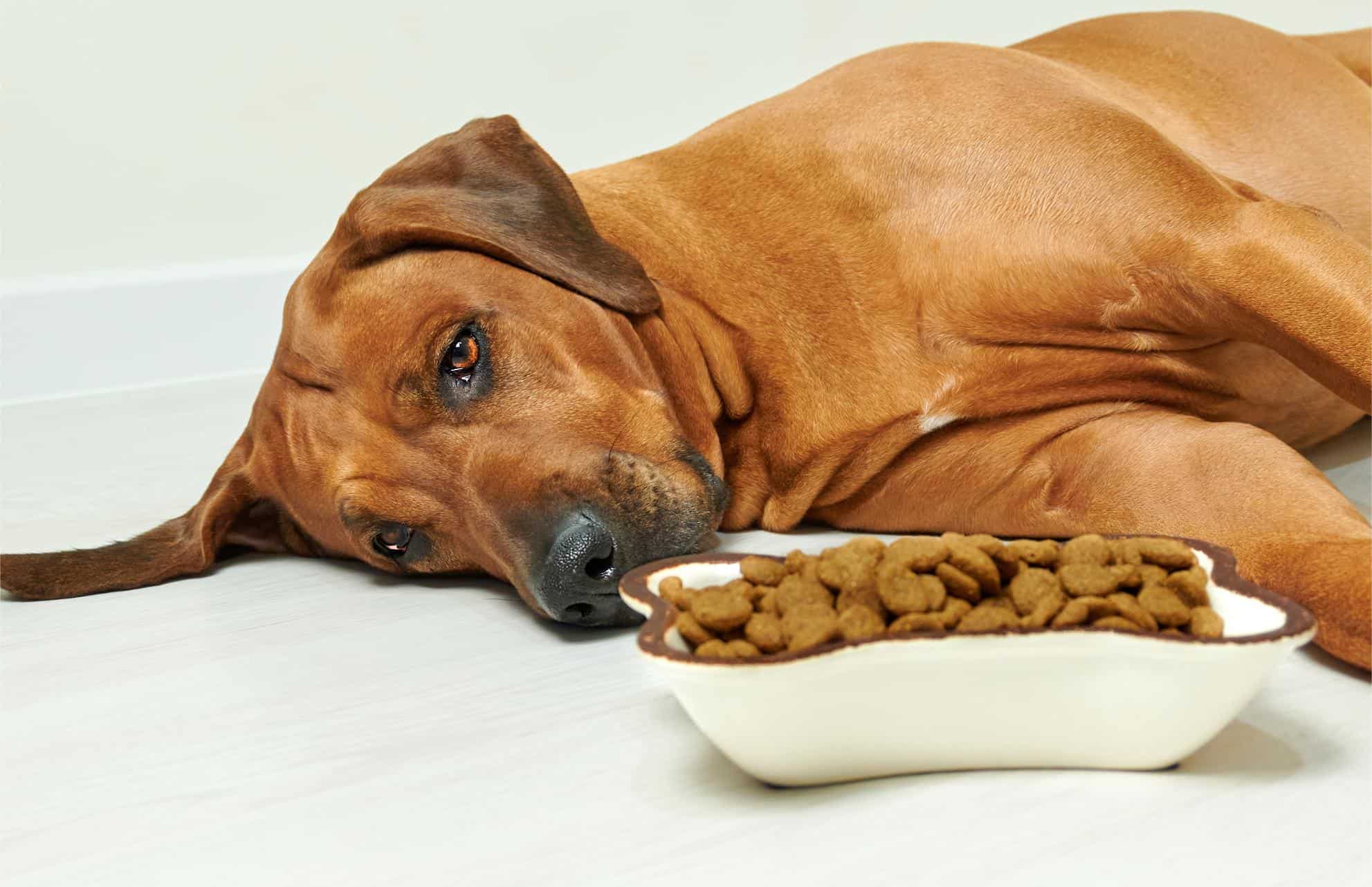
Nothing spikes your anxiety faster than a puppy who suddenly looks at their food like you offered them taxes instead of kibble. I have fostered a lot of puppies, and I can tell you two things are usually true: most picky phases are fixable, and a small number are urgent. This guide will help you sort out which situation you are in, what to try at home, and when to call your vet.
First, a quick reality check
Puppies do not eat with the same consistency every single day. Growth comes in spurts. Some days they act like a tiny vacuum, and other days they are too busy being a chaos gremlin to focus on breakfast. That said, puppies should not skip meals repeatedly, and they should not look sick, painful, or dehydrated.
If your puppy is acting normal otherwise and just being fussy, start with the practical fixes below. If anything feels “off,” jump to the vet section.
Red flags: when not eating is urgent
Call your veterinarian right away (or an emergency clinic) if your puppy is not eating and you notice any of these:
- Vomiting more than once, vomiting with blood, or repeated dry heaving
- Diarrhea that is watery or profuse, any blood or black/tarry stool, diarrhea lasting more than 24 hours, or diarrhea with vomiting or lethargy
- Extreme lethargy, weakness, collapse, or your puppy seems “not themselves”
- Bloated or painful belly, whining when picked up, or a hunched posture
- Signs of dehydration (dry or tacky gums, sticky saliva, little to no urine). Sunken eyes can happen but is not always easy to judge. Skin tenting can help, but it is less reliable in puppies.
- Refusing water or unable to keep water down
- Young or small puppies missing meals, especially under about 8 to 12 weeks and toy or small breeds. If they miss a meal, call your vet the same day for advice. Go to an ER now if they are weak, trembling, disoriented, or hard to wake.
- Possible toxin exposure (xylitol, chocolate, grapes or raisins, medications, rodent bait, etc.)
- Potential foreign body (they chewed a toy, sock, corn cob, bone, or anything is missing)
Puppies get dehydrated and run down faster than adult dogs. When in doubt, it is absolutely okay to call and ask. You are not being dramatic. You are being responsible.
Hypoglycemia: a special risk in small pups
Very young puppies and toy or small breeds can develop low blood sugar if they do not eat, especially if they are also stressed, chilled, or sick. This can escalate fast.
Call a vet urgently if your puppy is not eating and you see weakness, tremors, wobbliness, glassy eyes, disorientation, collapse, or seizures. Do not “wait and see” with these signs.
Common reasons puppies stop eating (and what to do)
1) Teething pain
Teething can make a normally enthusiastic eater suddenly picky, especially with hard kibble. You might also see extra drooling, chewing, or mild gum bleeding.
Try this:
- Soften kibble with warm water and let it sit 5 to 10 minutes.
- Offer a vet-approved puppy teething chew after meals, not instead of meals.
- Serve food at room temperature. Super cold food can be uncomfortable for sore gums.
2) Mouth pain (not just teething)
Sometimes the issue is something in the mouth, not the stomach. A mouth injury, an ulcer, something stuck between teeth, or retained baby teeth can make eating uncomfortable.
Try this:
- If your puppy will let you safely, do a quick look: lips, gums, tongue, and roof of mouth. Watch for bleeding, swelling, a bad smell, or something lodged.
- Do not try to pry a puppy’s mouth open if they are painful or struggling. Call your vet.
- If they suddenly yelp when chewing or drop food, schedule a vet check.
3) Too many treats (or a snacky schedule)
If training treats, chews, and “just a bite” add up, your puppy might simply not be hungry at mealtime. Puppies are excellent at holding out for the good stuff.
Try this:
- For a few days, use their kibble as training rewards.
- Limit treats to 10% or less of daily calories.
- Be careful with long-lasting chews. They can quietly replace an entire meal.
4) Stress, change, and overstimulation
New home, new people, new crate, new routine, new smells. Even happy excitement can suppress appetite. This is very common during the first week home, after travel, or after a big schedule shift.
Try this:
- Feed in a calm, low-traffic spot.
- Stick to predictable meal times.
- Keep the bowl down for 10 to 15 minutes, then pick it up. No grazing buffet.
5) Learned pickiness (sometimes called “food boredom”)
Some puppies do lose interest, but a lot of what looks like boredom is learned pickiness. If meals become a rotating menu, many puppies will hold out for the next upgrade. Constant switching can also upset their stomach.
Try this without creating a picky eater:
- Add a small amount of warm water for aroma.
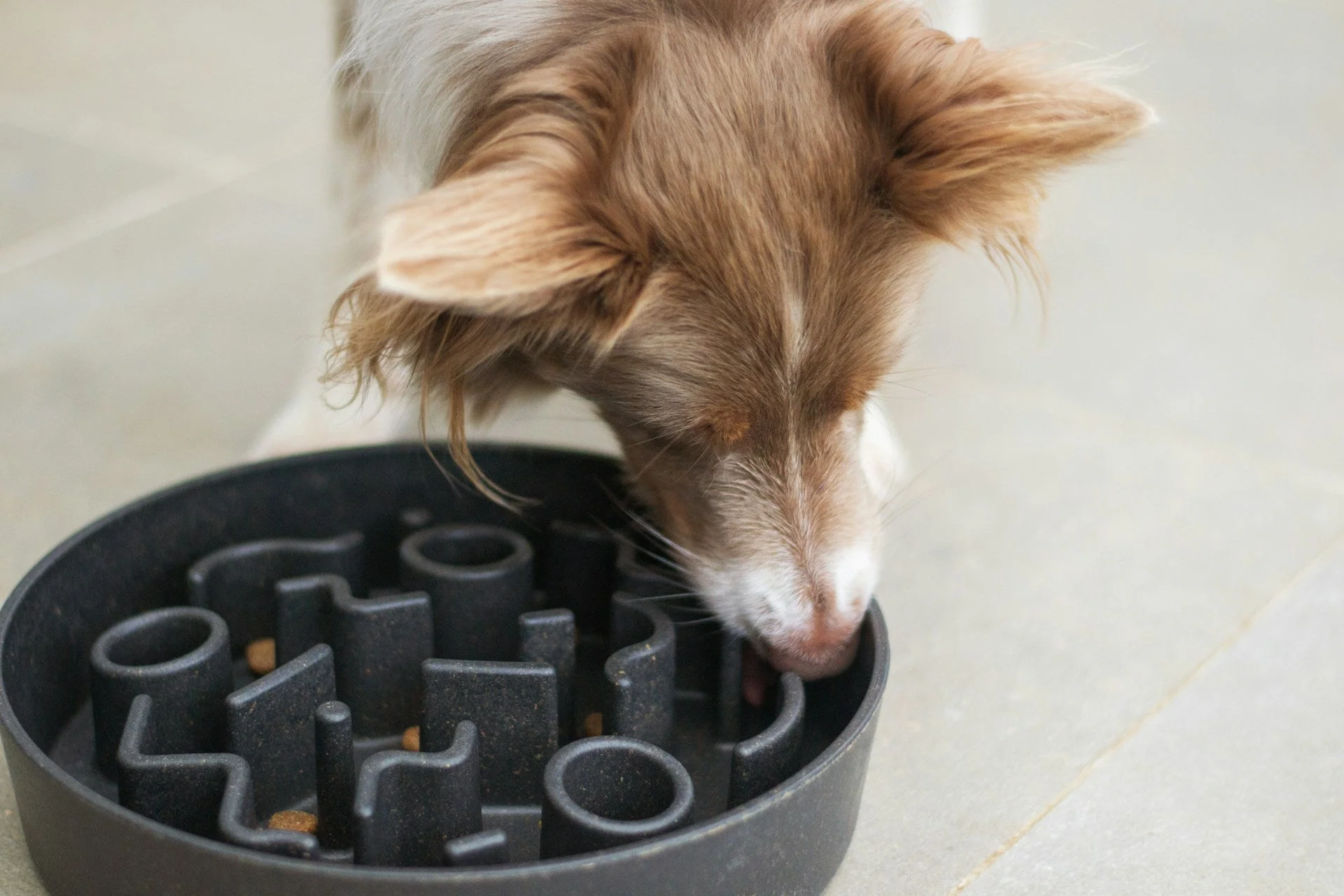
- Use a puzzle feeder or scatter feeding to make meals feel like an activity.
- If you use a topper, pick one simple option and keep it consistent for a week (for example, a spoonful of canned puppy food), then gradually reduce if needed.
6) The bowl, the location, or the setup is “wrong” to them
This sounds silly until you live it. A tag clinking against a metal bowl. A bowl sliding on tile. Another dog hovering. A toddler yelling. Some puppies stop eating because the setup makes them nervous.
Try this:
- Switch to a ceramic bowl or add a non-slip mat under the bowl.
- Feed separately from other pets.
- Create a quiet feeding routine, then give them space to eat.
7) Upset stomach or mild nausea
A puppy can feel queasy after eating something weird outside, after a car ride, or after changing foods too quickly. Sometimes the only sign is “no thanks” at mealtime.
Try this:
- Make sure fresh water is always available.
- If your puppy is otherwise bright and normal, call your vet for guidance before trying any home remedies. Puppies are small and sensitive, and some “people fixes” are unsafe.
- If you recently changed food, consider whether the transition was too fast.
8) Vaccines, deworming, or new medications
Some puppies have a temporary dip in appetite after vaccinations, deworming, or starting certain medications. This should be mild and short-lived.
Try this:
- Offer smaller, more frequent meals for 24 hours, unless your vet gave different instructions for a specific medication.
- Monitor energy level, stool, and water intake.
- After vaccines, watch for facial swelling, hives, repeated vomiting, or trouble breathing. Those can be allergic reactions and need immediate veterinary care.
- If appetite does not rebound quickly, call your vet. Mention the timing of vaccines or meds.
9) Too many calories from milk replacer or “extras” in very young pups
If you are weaning or supplementing, puppies can fill up on liquids and then ignore solid food. The goal is a gradual handoff from milk to puppy food.
Try this: Ask your vet or rescue coordinator for a weaning schedule that fits your puppy’s age and size.
10) Food quality, freshness, or storage issues
Kibble can go stale or rancid, especially if it is stored open in a warm area. Some puppies will simply refuse it.
Try this:
- Check the expiration date.
- Smell the food. If it smells “off,” replace it.
- Store kibble in an airtight container and keep it cool and dry.
11) Illness or parasites
Intestinal parasites, respiratory infections, urinary issues, and other illnesses can reduce appetite. Puppies can look “mostly fine” while something is brewing.
Try this: If appetite loss lasts more than a day, or comes with diarrhea, coughing, fever, lethargy, or increased drinking and urination, schedule a vet visit and bring a fresh stool sample if requested.
My go-to fixes for picky eaters
Set meal times
Put food down, give your puppy 10 to 15 minutes, then pick it up. Offer the next meal at the next scheduled time. This is gentle structure, not punishment.
Make meals easier to eat
- Soften kibble with warm water
- Try smaller kibble size for tiny mouths
- Use a wide, shallow dish if your puppy seems annoyed by deep bowls
Measure food and track what goes in
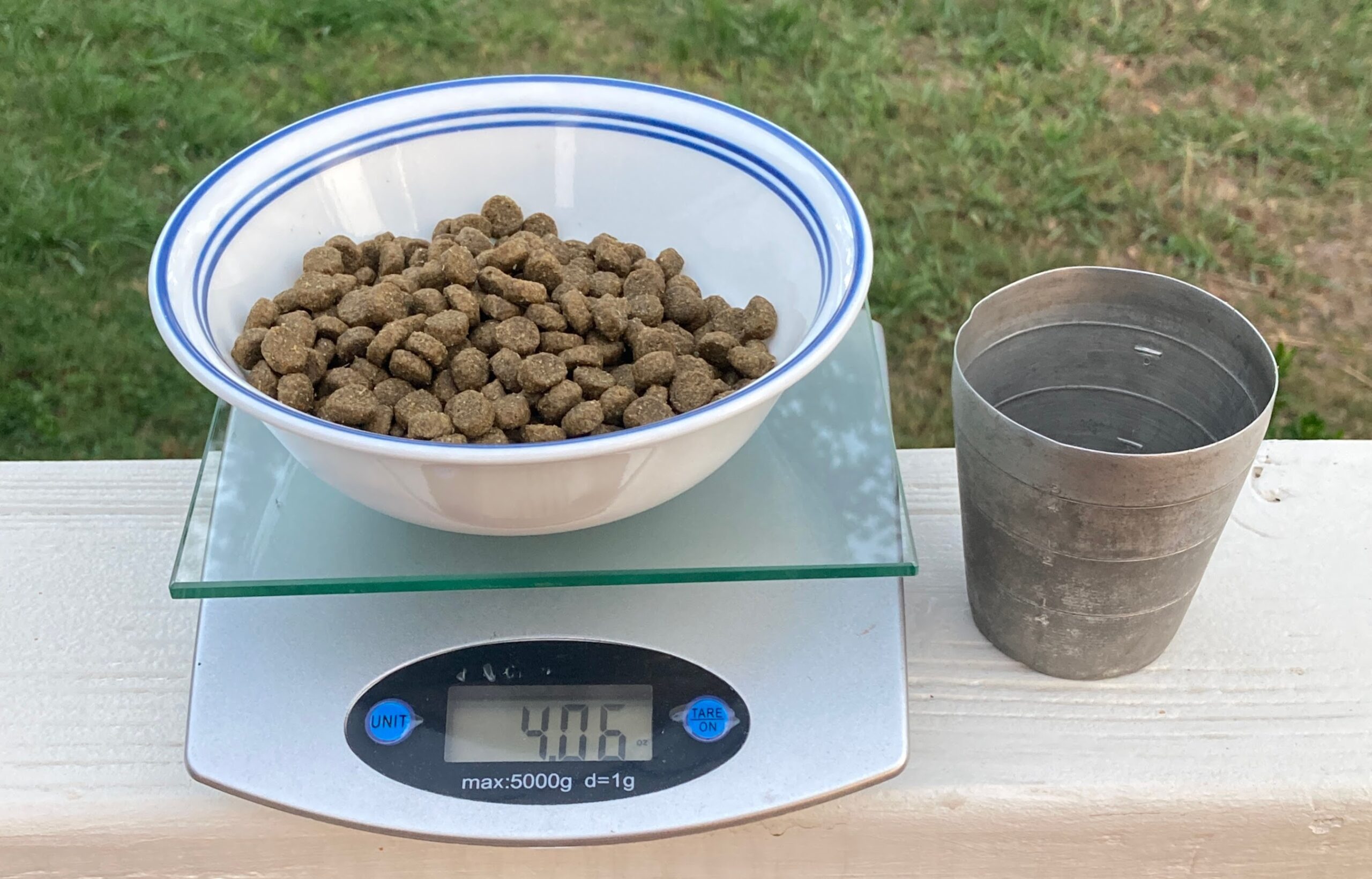
When owners tell me “he barely ate,” sometimes it turns out the puppy ate plenty, just not all at once. Use a measuring cup and note how much disappears over the day. This is also useful information if you call your vet.
Keep toppers simple
If you add something tasty, keep it small and consistent so your puppy does not learn to negotiate. The goal is to nudge appetite, not teach “hold out for better.”
Use hand-feeding as a short tool
Hand-feeding can help shy puppies for a day, but you do not want it to become the only way they will eat. If you use it briefly, transition back to the bowl or a puzzle feeder quickly.
How long can a puppy go without eating?
This depends on age, size, and health, but the safest mindset is: puppies should not skip meals repeatedly. A single lighter meal can happen with teething or stress. If your puppy is very young, very small, or sick, do not wait it out.
General guidance (not a substitute for veterinary advice):
- Young or small puppies (especially under about 8 to 12 weeks): call your vet the same day if they miss a meal. Seek urgent care if they seem weak, shaky, disoriented, or unusually sleepy.
- Older puppies who are otherwise normal: one skipped meal can happen, but call your vet if they skip multiple meals, refuse water, or develop vomiting or diarrhea.
Also, consider the whole picture:
- Are they drinking water normally?
- Are they peeing and pooping normally?
- Are they playing, engaging, and sleeping normally?
- Any vomiting, diarrhea, coughing, pain, or increased drinking and urination?
Switching foods safely
If you are changing brands or formulas, a gradual transition helps prevent stomach upset that can tank appetite.
- Days 1 to 2: 75% old food, 25% new food
- Days 3 to 4: 50% old food, 50% new food
- Days 5 to 6: 25% old food, 75% new food
- Day 7: 100% new food
If your puppy has a sensitive stomach, go slower. Some puppies do better with a 10 to 14 day transition.
If your puppy develops diarrhea, vomiting, or refuses multiple meals during a switch, pause the transition and call your vet for advice.
What to tell your vet
If you do call, these details help your vet triage quickly:
- Your puppy’s age, breed or mix, and current weight
- How long appetite has been reduced, and which meals were skipped
- Any vomiting, diarrhea, coughing, sneezing, or behavior changes
- Water intake and urination
- Current diet, treats, chews, and any recent food changes
- Recent vaccines, deworming, or medications
- Possible access to socks, toys, plants, trash, or toxins
FAQ
My puppy eats treats but not kibble. What does that mean?
Most often it means your puppy has learned that holding out works. It can also mean the kibble is uncomfortable to chew (teething or mouth pain) or they feel mildly nauseous. For one or two days, use kibble as training treats and reduce extras, then offer measured meals on a schedule. If your puppy also seems ill or stops eating entirely, call your vet.
Should I add broth or toppers to make my puppy eat?
A small amount of warm water is my first choice because it boosts smell without adding a lot of “wow.” If you use broth, make sure it is dog-safe and does not contain onion or garlic. Keep toppers small, consistent, and temporary.
Is it normal for my puppy to eat less during teething?
Yes, it can be normal, especially with hard kibble. Softening food and offering appropriate chews can help. If your puppy is refusing multiple meals, seems painful, or has other symptoms, check in with your vet.
My puppy won’t eat in the morning but eats at night. Is that okay?
It can happen, especially in busy households where mornings are loud and rushed. Try feeding in a calm spot, keeping a consistent schedule, and picking up the bowl after 10 to 15 minutes. If your puppy is consistently skipping breakfast and you have any concerns about weight gain, talk with your vet.
Plan for the next 24 hours
- Check for red flags: vomiting, watery or bloody diarrhea, lethargy, pain, dehydration, toxin risk, foreign body risk.
- If your puppy is young or small, watch for low blood sugar signs: weakness, tremors, wobbliness, disorientation. If you see these, seek urgent veterinary advice.
- Offer fresh water and confirm your puppy is drinking.
- Serve one measured meal in a quiet spot for 10 to 15 minutes, then pick it up.
- Soften kibble with warm water if teething or mouth soreness is likely.
- Cut treats and chews way back for the day.
- If your puppy skips multiple meals, seems unwell, or you are uneasy, call your vet and share the details.
You are not failing because your puppy is being picky. Puppies are tiny, dramatic creatures with strong opinions and questionable decision-making. With a little structure and the right safety checks, most will get back on track quickly.