Raising a puppy is basically a full-time job where your coworker tries to eat everything you drop. And while some “people food” is harmless in tiny tastes, there are a handful of everyday kitchen items that can turn into a real emergency fast, especially for puppies because their bodies are small and still developing.
This list covers the big ones I see again and again in foster homes: what’s dangerous, what symptoms can look like, and what to do right away if your puppy gets into something they should not.
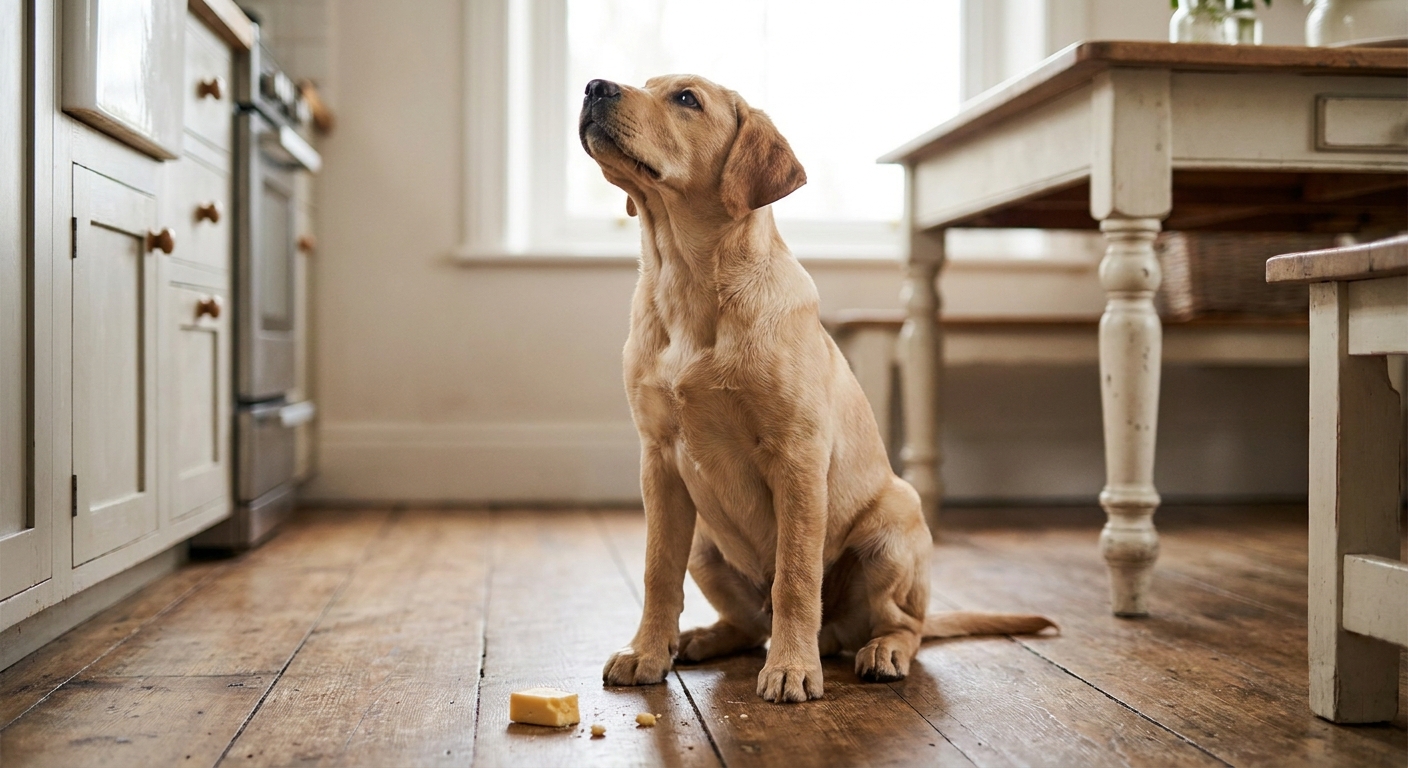
First steps if your puppy eats something toxic
Take a breath. Then move quickly and methodically. In many poisoning cases, time matters more than anything.
Step-by-step
- Get the food away and keep other pets out of it too.
- Check what it was (exact product and flavor matters, especially with sweeteners). Grab the packaging.
- Estimate how much was eaten and your puppy’s weight. Even a rough guess helps.
- Call for expert help immediately (resources below). Your regular vet or an emergency vet is ideal. If neither is available, call an animal poison hotline.
- Do not force vomiting unless a vet or poison expert tells you to. For some toxins, vomiting is helpful. For others, it can make things worse.
- Do not “counteract” it with milk, bread, oil, or activated charcoal unless directed. Home remedies waste time and can complicate treatment.
- Watch your puppy closely and be ready to leave for the ER. If you are told to come in, go now.
Emergency signs: go now
- Repeated vomiting or retching, especially with lethargy
- Seizures, tremors, wobbliness, collapse
- Severe diarrhea (especially bloody)
- Difficulty breathing or blue or pale gums
- Extreme weakness, unresponsiveness, or sudden agitation
- Swollen belly, nonproductive retching (bloat risk)
- Choking or struggling to breathe is an airway emergency. Head to an ER vet. Avoid blind finger sweeps that can push an object deeper.
Poison control resources (US)
- ASPCA Animal Poison Control Center: 1-888-426-4435
- Pet Poison Helpline: 1-855-764-7661
- If your puppy is actively crashing (seizures, collapse, breathing trouble), skip the phone queue and head to an emergency vet while someone else calls.
Outside the US: contact your local emergency vet clinic or veterinary poison service. Your country often has a national animal poison line or your local veterinary association can direct you.
16 toxic human foods puppies must avoid
Below are the most common offenders I see in real homes. Some are “small amount can still be a big deal” toxins (xylitol is the poster child). Others depend heavily on dose, your puppy’s size, and individual sensitivity. When in doubt, treat it as urgent.
1) Xylitol
Where it hides: sugar-free gum, mints, candies, “keto” baked goods, some peanut butters, protein bars, toothpaste, mouthwash, some chewable vitamins. It may also appear on labels as birch sugar.
Why it’s dangerous: xylitol can cause a rapid, life-threatening drop in blood sugar and can also damage the liver.
Common signs: weakness, wobbliness, vomiting, tremors, seizures, collapse.
Important nuance: not all sugar alcohols act like xylitol in dogs. Xylitol is the one to treat as an emergency.
What to do: this is an immediate emergency. Call an ER vet or poison line and leave for care right away.
2) Chocolate
Most dangerous types: baking chocolate, dark chocolate, cocoa powder. Milk chocolate is still risky for small pups, and wrappers can cause intestinal blockage too.
Why it’s dangerous: chocolate contains methylxanthines (theobromine and caffeine) that affect the heart, nervous system, and GI tract.
Common signs: vomiting, diarrhea, restlessness, panting, fast heart rate, tremors, seizures.
What to do: contact a vet or poison line with your puppy’s weight, chocolate type, and amount eaten.
3) Grapes
Why it’s dangerous: grapes can cause kidney failure. The scary part is that sensitivity varies a lot and there is not a reliable “safe” amount.
Common signs: vomiting, diarrhea, lethargy, decreased appetite, belly pain. Kidney issues can follow.
What to do: call a vet right away even if it was “only a few.”
4) Raisins
Why it’s dangerous: raisins are essentially grapes in concentrated form and can be even more risky.
Common signs: same as grapes.
What to do: urgent vet contact. Bring the packaging if it was trail mix or cereal so ingredients are clear.
5) Onions
Where it shows up: onion powder in chips, seasoning blends, soups, gravies, pizza, rotisserie chicken seasoning.
Why it’s dangerous: onions can damage red blood cells (hemolytic anemia). Effects can be delayed and risk goes up with larger amounts or repeated exposure.
Common signs: weakness, pale gums, fast breathing, lethargy, vomiting, dark urine.
What to do: call your vet for guidance. Mention if it was onion powder, which can pack a punch.
6) Garlic
Why it’s dangerous: same red blood cell damage risk as onions, sometimes with GI upset. Larger servings and repeated “little tastes” are the usual setup for trouble.
Common signs: vomiting, diarrhea, weakness, pale gums, lethargy.
What to do: call your vet or poison line.
7) Chives
Why it’s dangerous: chives are in the same family as onions and garlic and can cause similar toxicity.
Common signs: GI upset, weakness, anemia signs later.
What to do: treat like onion exposure and contact a vet.
8) Alcohol
Where it hides: beer, wine, cocktails, spiked desserts, rum cake, kombucha, and fermenting fruit.
Why it’s dangerous: dogs are very sensitive to alcohol. It can cause low blood sugar, low body temperature, breathing problems, and worse.
Common signs: disorientation, vomiting, lethargy, slowed breathing, tremors, collapse.
What to do: emergency vet contact.
9) Unbaked yeast dough
Why it’s dangerous: dough can expand in the stomach (bloat and obstruction risk) and fermentation can produce alcohol.
Common signs: swollen belly, drooling, retching, restlessness, weakness, vomiting.
What to do: go to an ER vet, especially if the belly looks distended or your pup is retching without bringing anything up.
10) Macadamia nuts
Why it’s dangerous: macadamia nuts can cause neurologic and muscular symptoms. The exact toxin is not fully understood.
Common signs: weakness (often hind legs), tremors, vomiting, fever, pain, lethargy.
What to do: call your vet. Many pups recover with supportive care, but you still need guidance.
11) Black walnuts and moldy nuts
Why it’s dangerous: black walnuts are more concerning than most store-bought walnuts. Separately, moldy nuts (and other moldy foods) can contain tremor-causing toxins. Nuts are also high fat, which can trigger pancreatitis.
Common signs: vomiting, belly pain, tremors, fever, seizures.
What to do: call an ER vet if there are tremors, weakness, or repeated vomiting.
12) Avocado (mostly a GI and blockage risk)
Why it’s risky: avocado flesh can cause GI upset for some dogs, and it is high in fat. The pit and skin are the big problem because they are choking and obstruction hazards.
Common signs: vomiting, diarrhea, belly discomfort; choking or gagging if pit involved.
What to do: if a pit may have been swallowed, call your vet immediately due to obstruction risk.
13) Cooked bones
Why it’s dangerous: cooked bones splinter. They can puncture the mouth, throat, stomach, or intestines, and can also cause constipation or blockage.
Common signs: gagging, drooling, pawing at the mouth, vomiting, straining to poop, blood in stool, abdominal pain.
What to do: contact a vet promptly. If your puppy is choking, go to an ER vet now.
14) Fatty scraps and fried foods
Examples: bacon grease, chicken skin, sausage, deep-fried foods, buttery pan drippings.
Why it’s dangerous: high-fat foods can trigger pancreatitis, which is painful and can be serious. Puppies can get hit hard.
Common signs: repeated vomiting, hunched posture, belly pain, diarrhea, lethargy, decreased appetite.
What to do: call your vet, especially if vomiting repeats or your pup seems painful or “not themselves.”
15) Salty snacks and very salty foods
Examples: chips, pretzels, salted popcorn, salty jerky, large amounts of deli meat.
Why it’s dangerous: too much salt can cause dehydration and, in severe cases, sodium ion poisoning. Severe salt toxicity is more likely with large ingestions (salt dough, rock salt, certain DIY play clays) or limited access to water, but it is still worth taking seriously in small puppies.
Common signs: excessive thirst, vomiting, diarrhea, tremors, lethargy, wobbliness.
What to do: call a vet if a significant amount was eaten or if symptoms show up.
16) Caffeine
Where it hides: coffee, espresso drinks, tea, energy drinks, caffeine gum and mints, chocolate-covered espresso beans, pre-workout powders, some weight-loss products, some pain and cold medications.
Why it’s dangerous: caffeine is a stimulant that can affect the heart, nervous system, and GI tract. Small puppies are especially vulnerable.
Common signs: restlessness, panting, vomiting, fast heart rate, tremors, seizures.
What to do: call a vet or poison line right away with the product, amount, and your puppy’s weight.
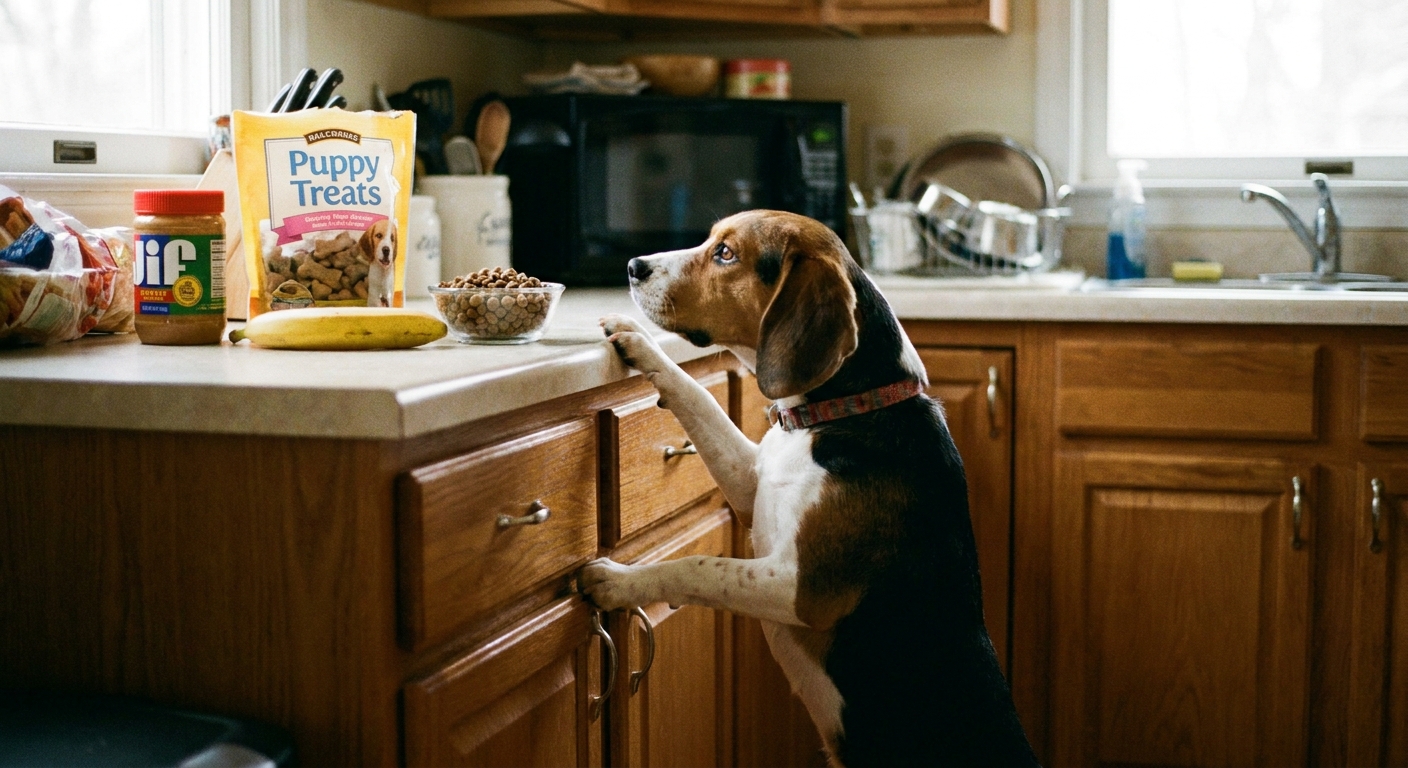
Quick note: if your puppy ate something that is not on this list and you are worried, trust that instinct. Puppies are tiny chaos machines, and your vet would much rather talk you through a “maybe” than see you too late.
Symptoms of food toxicity in puppies
Different toxins hit different systems, but these are the red flags that should put “call a vet now” at the top of your to-do list:
- GI: vomiting, diarrhea, drooling, refusing food, belly pain, bloating
- Neurologic: tremors, seizures, wobbliness, unusual weakness, disorientation
- Heart and breathing: rapid heartbeat, panting, trouble breathing
- General: sudden lethargy, collapse, fever, very pale gums
When to induce vomiting
I know the internet loves a “make them throw up” hack. Please do not. Whether vomiting is appropriate depends on what was eaten, when, and your puppy’s condition.
In general, do not induce vomiting if:
- Your puppy is having trouble breathing, is very sleepy, has collapsed, or is seizing
- The toxin is caustic (can burn on the way back up)
- Your puppy may aspirate (inhale vomit), which can be life-threatening
- More than a couple hours have passed (varies, but food may have moved on)
Call your vet or poison control first. If they recommend vomiting at home, they will tell you the safest way and dose for your puppy’s weight.
Puppy-proofing that works
Most “food poisonings” are not dramatic. They are one unguarded moment during cooking, one kid snack left on the couch, or one purse with gum inside.
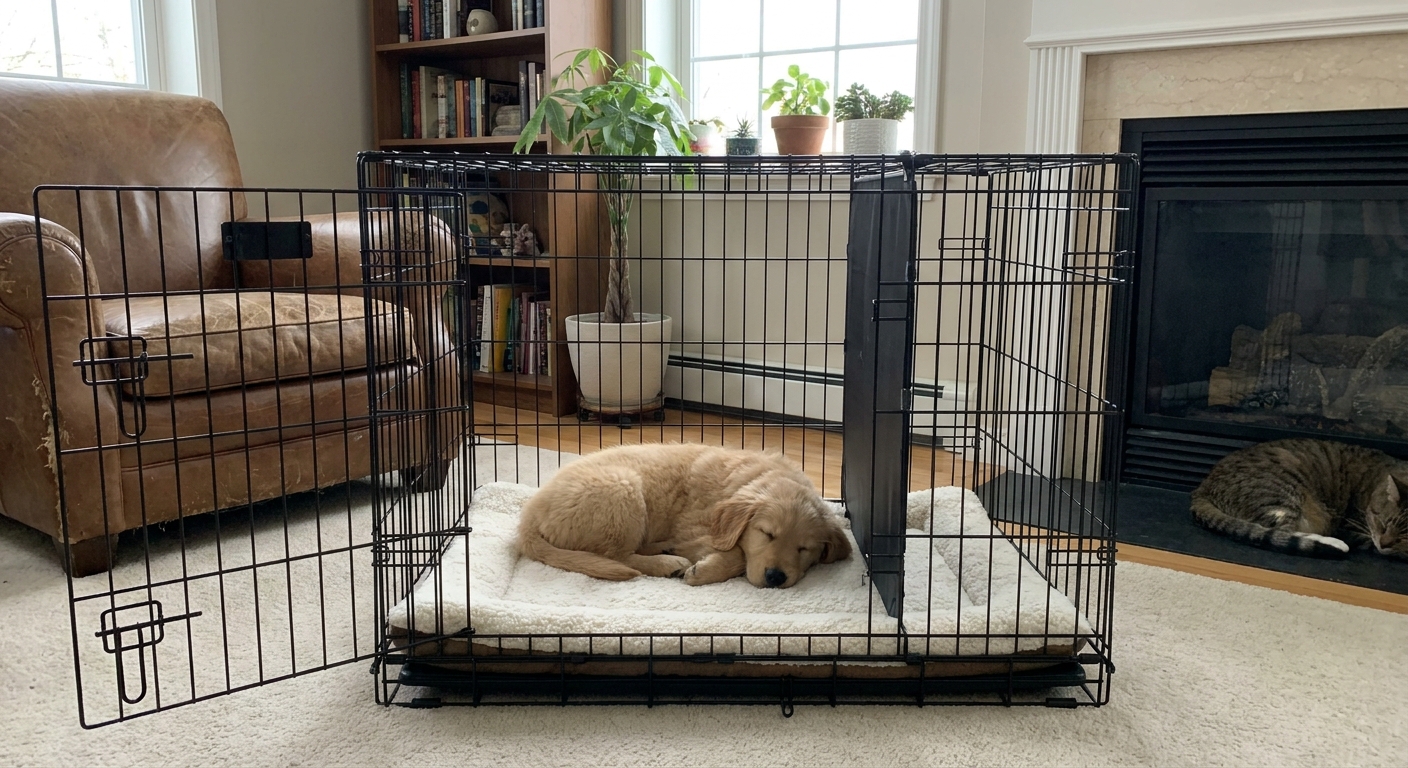
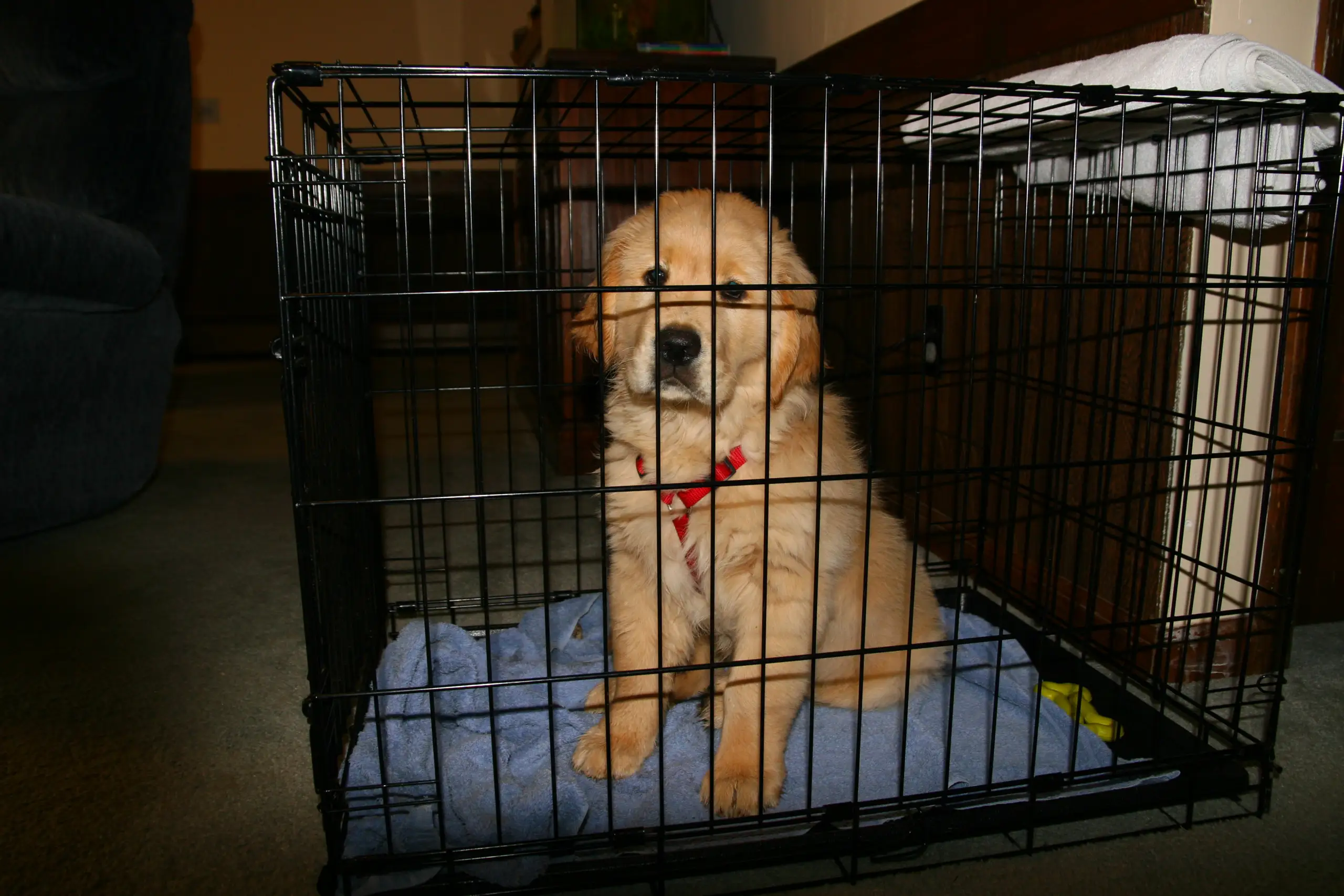
- Make a puppy-safe zone during meals: a crate, pen, or baby-gated area helps you cook without a furry vacuum cleaner underfoot.
- Assume counters are not safe: puppies grow fast and learn to jump faster.
- Read labels like a detective: look for xylitol (including “birch sugar”) in sugar-free items.
- Use a lidded trash can: a surprising amount of trouble starts in the garbage.
- Teach “leave it” and “drop it” early: it is one of the best safety behaviors you can train.
FAQ
My puppy seems fine after eating something toxic. Can I wait?
Some toxins cause delayed symptoms (onions, garlic, grapes, raisins). “Seems fine” is not a reliable indicator. Call a vet or poison line and let them decide the safest plan based on the toxin, amount, and your puppy’s size.
Should I give my puppy water, bread, or milk to dilute it?
Small sips of water are generally fine if your puppy is alert, but do not force fluids. Bread and milk are not antidotes and can delay proper treatment. Follow professional instructions instead.
What if my puppy ate a packaged food and I do not know the ingredients?
Save the wrapper or take clear photos of the ingredient list and nutrition panel. If it is a baked good, find out if it was sugar-free or “keto” (xylitol risk) and whether it contained raisins, chocolate, or nuts.
How much chocolate is dangerous?
It depends on the type of chocolate, the amount, and your puppy’s weight. Dark chocolate and baking chocolate are much more dangerous than milk chocolate. Call your vet or poison control with the exact details.
Are peanut butter and cheese always safe?
Not always. Peanut butter can contain xylitol in some brands, so always check the label. Cheese is not toxic, but it can cause stomach upset and is high in fat, which can be rough for some pups.
The bottom line
If you take nothing else from this list, take this: when a puppy eats a known toxin, it is always worth calling right away. Early guidance can mean a quick fix instead of a long, scary night.
Keep the poison control numbers saved in your phone, store risky foods up high or behind doors, and keep practicing “drop it” like your future self is counting on it. Because she is. And so is your puppy.