Hi, I’m Chloe Masterson, and I’m really glad you’re here.
If you landed on Puppy Loom with one hand on your phone and the other hand trying to gently remove a sock from a puppy’s mouth, welcome. You are among friends. I’ve fostered and raised enough wiggly, sharp-toothed little chaos gremlins to know that the early months can feel equal parts magical and completely overwhelming.

How I got here
I grew up in a busy house full of rambunctious mutts. There was always someone barking at the mail carrier, someone stealing a sandwich off the counter, and someone asleep in the only sunny spot on the rug. I loved it.
As an adult, I found my way into fostering for a local animal rescue and quickly realized I had a soft spot for young, high-energy puppies. You know the type: the ones who sprint in circles for no reason, turn your shoelaces into spaghetti, and look deeply offended when you suggest that hands are not chew toys.
Over the years, I’ve helped a lot of rescue pups through their messy, chaotic, wonderful first stretch at home, including:
- 2 AM potty breaks in pajamas and mismatched socks
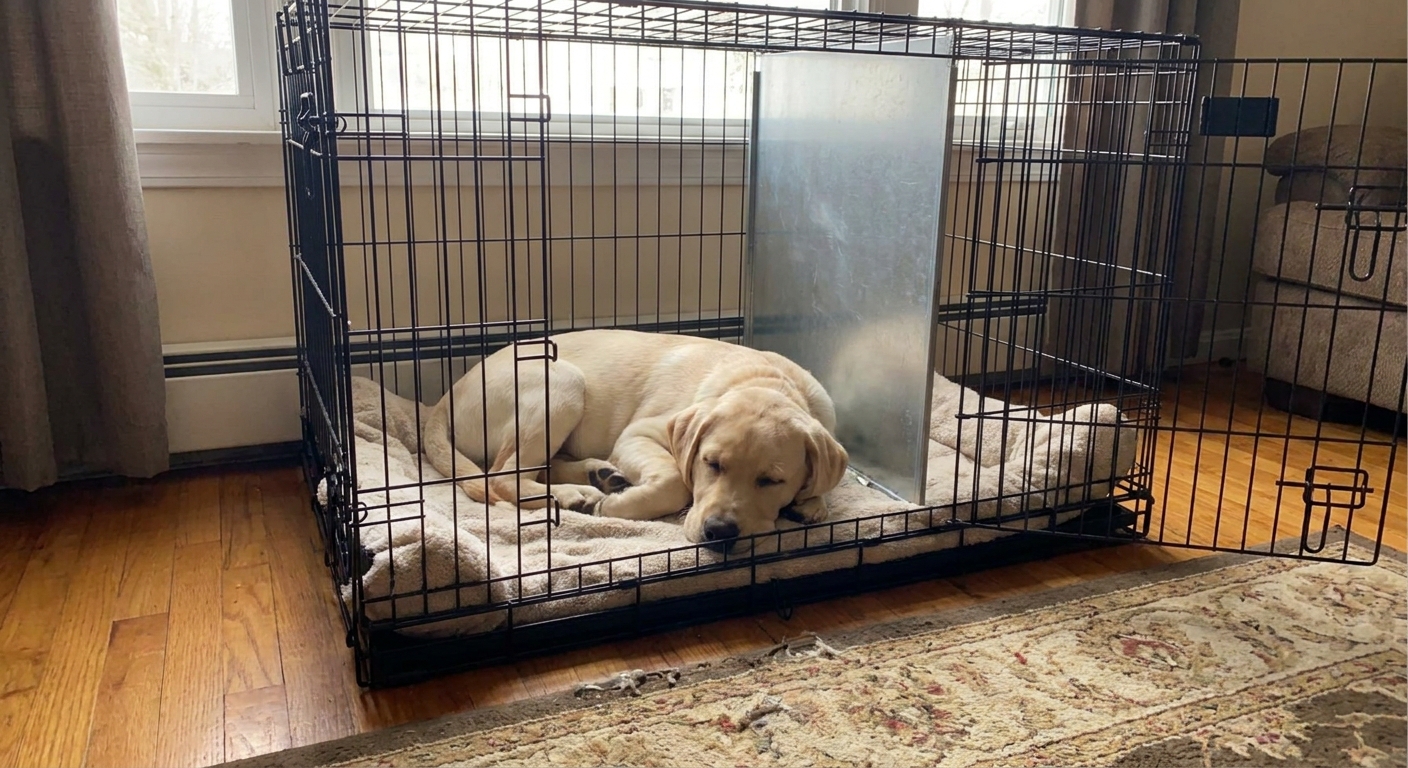
- Crate training that starts with dramatic howling and ends with peaceful naps
- Socialization ups and downs, from “too shy to sniff” to “best friends with the vacuum”
- Chewed-up chair legs, stolen dish towels, and the occasional surprise puddle right after you cleaned
That hands-on experience is the heart of what I share. I’m not here to bury you in clinical jargon or make you feel like you’re doing everything wrong. I’m here to help you build a routine that works in a normal home with a normal puppy.
What Puppy Loom is
Puppy Loom is for people raising puppies in daily life. Not on a perfect schedule. Not in a spotless house. Not with unlimited free time.
My mission is simple: help you raise a happy, well-adjusted companion without the overwhelming stress. That means practical steps, kind reassurance, and the gentle reminder that progress with puppies is rarely a straight line.
Puppy Loom is written with rescue pups in mind, because that’s where I come from, but the routines and training basics apply to most puppies, no matter where they came from.
I believe good puppy training is mostly about three things:
- Clear routines your puppy can predict
- Consistency that’s realistic for a family
- Compassion for your puppy and for you
Puppies are not trying to be “bad.” They’re new. They’re learning. And honestly, some days they’re just tired, overstimulated, or teething and doing their best with the tiny brains they’ve got.
Start here
If you’re not sure where to begin, here are a few good first stops, depending on what your day looks like right now:
- If you’re cleaning up accidents, start with potty training basics and a simple schedule.
- If naps are a battle, start with crate training and calm settling routines.
- If your hands are getting chomped, start with biting and teething survival strategies.
What you’ll find here
If you stick around Puppy Loom, you’ll find guidance that’s practical, doable, and built for the moments that actually happen in a puppy home.
Training basics
I focus on the big, everyday wins that make life calmer fast. Things like:
- Potty training schedules, supervision, and what to do when accidents happen
- Crate training without guilt, plus how to make the crate feel safe
- Manners for nipping, jumping, and leash pulling
- Socialization that builds confidence instead of fear

Care that supports training
Training goes better when your puppy’s needs are met. I also cover the care side that people don’t always warn you about, like:
- Setting up your home so you aren’t saying “no” all day
- Managing teething with smart chew options
- Helping your puppy settle and nap, because overtired puppies are tiny tornadoes
- Simple routines for feeding, enrichment, and calm play

Encouragement
You’ll also see a lot of reassurance here, because I know how it feels to wonder if you’re doing it all wrong. You’re not. You’re learning a new language with a creature who thinks tissues are a food group. That is hard, and it’s okay to admit it.
My training style
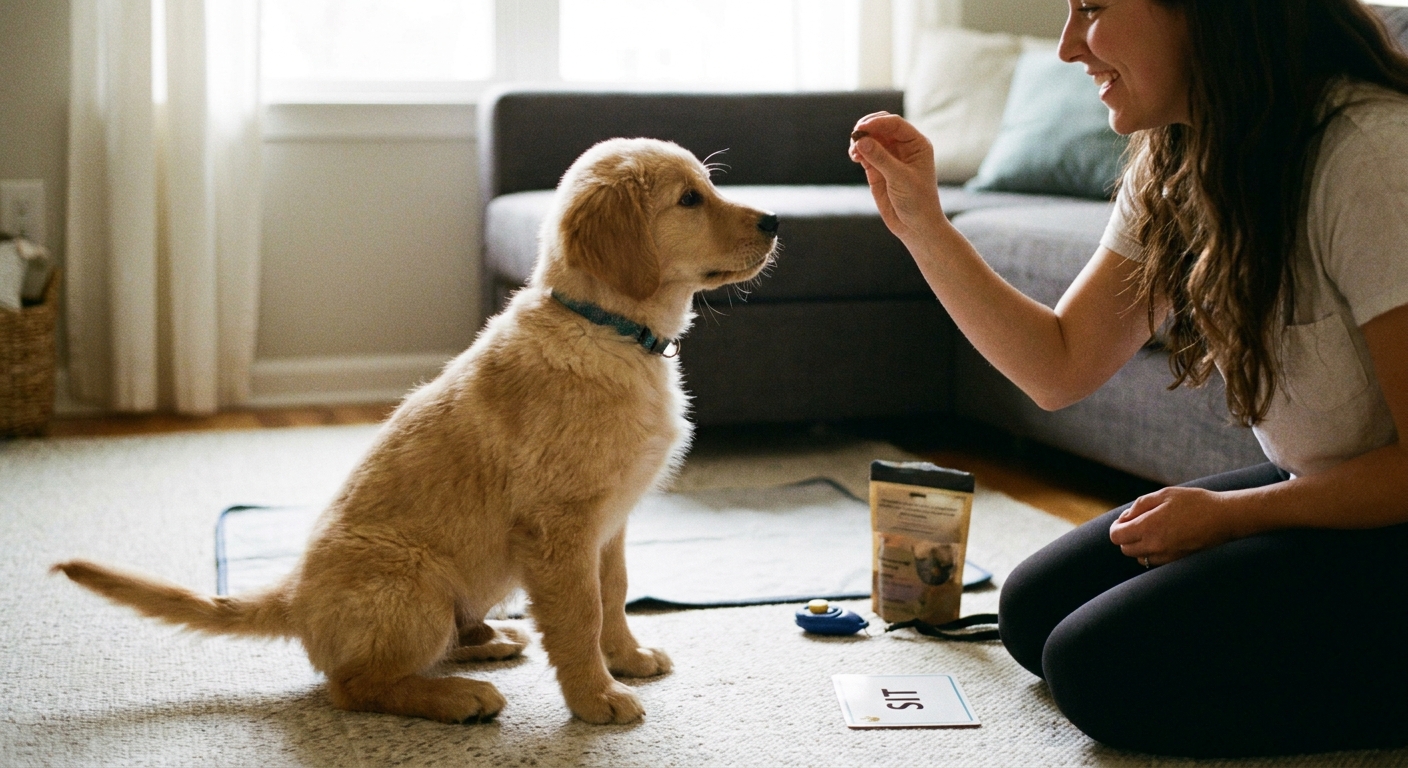
I’m a big believer in kind, reward-based training, setting clear boundaries, and preventing problems before they start. That often looks like:
- Managing the environment so your puppy can succeed
- Rewarding what you want the moment it happens
- Keeping sessions short so your puppy stays engaged
- Adjusting expectations for age and energy level
And when something isn’t working, I’m the person who asks: Is your puppy tired? Hungry? Overstimulated? Confused? Are we going too fast? Most “stubborn” puppy moments have a fix that starts with slowing down and getting specific.
One important note
I’m not a veterinarian, and Puppy Loom is not a substitute for medical care. If something seems off with your puppy’s health, pain, eating, or bathroom habits, call your vet. If you’re dealing with aggression, severe anxiety, or biting that feels unsafe, it’s worth working with a qualified trainer or veterinary behavior professional who can see what’s happening in real time.
Before you go
If your puppy is currently biting your sleeves, refusing naps, or having accidents five minutes after a potty break, I want you to hear this clearly: you’re not failing. You’re just in the puppy season.
Puppy Loom is here to help you get through the hardest parts with a plan, a routine, and a little humor. The goal is not a “perfect” puppy. The goal is a pup who feels safe, learns steadily, and grows into the kind of dog you can’t imagine life without.
Thanks for letting me be part of your puppy story. I’m cheering for you, and yes, it really does get easier.