Socialization is not about your puppy “meeting everyone.” It is about teaching them, gently and repeatedly, that the world is safe, manageable, and kind. The magic is in many tiny, positive exposures, not one huge day out that ends with an overtired land shark melting down in the parking lot.
This checklist covers the people, places, sounds, objects, and body handling I try to expose foster puppies to in the early months, especially before about 16 weeks. Use it like a menu. Pick what fits your puppy, your neighborhood, and your vet’s guidance on disease risk. (And remember: timelines vary. Some pups hit sensitivity or fear phases earlier or later, and some breeds are more sensitive than others.)
Before you start: safety rules
Yes, socialization is urgent. No, it should not be reckless. You can do a lot before vaccines are complete if you do it smart and match your plan to parvo risk in your area.
Socialization: what it is and is not
- It is: low-pressure exposures paired with good stuff (treats, play, sniffing), at a distance your puppy can handle.
- It is not: forced greetings, “pet by strangers,” or holding your puppy in place to “get used to it.” That is flooding, and it often backfires.
Stick to “safe exposure” options
- Carry your puppy in busy areas and let them watch the world from your arms.
- Use a clean blanket or towel on benches, patios, and at friends’ homes.
- Choose known, healthy dogs for play. Avoid unknown dogs and dog parks for now.
- Do puppy class only if it is well-run (vaccine requirements, cleaned floors, controlled play, trained instructors).
- Avoid high-traffic dog potty zones until your vet says it is okay, especially apartment dog runs and popular park entrances.
- If parvo risk is high: keep paws off public ground. Socialize from your arms, a stroller, your trunk/hatch area, or a clean blanket on low-risk private property.
Your goal is calm, not “brave”
A good session looks boring: a little curiosity, relaxed body, taking treats, and choosing to check things out. If your puppy is hiding, freezing, trying to flee, or refusing food, back up and make it easier.
What to bring
- Pea-sized soft treats (or kibble if your puppy is food-motivated)
- A toy or chew for “busy mouth” moments
- Wipes and poop bags
- A blanket or mat for settling
- A lightweight long line for private yards (not for busy sidewalks yet)
How to use this checklist
Think in mini-sessions. I aim for 3 to 10 minutes each, sprinkled through the week.
The 3-part socialization recipe
- Distance first: start far enough away that your puppy can eat treats and look around.
- Pair with something good: treats, praise, sniffing, or a quick game.
- Quit early: stop while your puppy is still doing well. Ending on a win builds confidence.
Watch body language
- Green lights: soft eyes, loose body, sniffing, curiosity, taking treats, bouncing back quickly after a startle.
- Yellow lights: tucked tail, lip licking, yawning, leaning away, refusing treats, “statue” stillness.
- Red lights: growling, snapping, frantic pulling, prolonged trembling, repeated attempts to escape.
If you see yellow or red, increase distance, lower the intensity, or switch to watching from your car while you are in it and temperatures are safe. Crack a window for airflow, toss treats, and keep it short.
Week-by-week focus (8 to 16 weeks)
Puppies develop fast. Here is a simple way to pace things.
Weeks 8 to 10: gentle intros
- Meet 2 to 3 new people per week (different ages and looks)
- Short car rides (then treats and home)
- Handling games daily (paws, ears, collar)
- Watch the world from your arms: scooters, bikes, strollers
- One “new surface” per week: grass, gravel, sand, wet pavement
Weeks 10 to 12: controlled variety
- One new place per week (quiet at first): garden center, school parking lot after hours, outdoor cafe corner
- Introduce simple grooming tools: brush, nail file, toothbrush finger brush
- Calm greetings with friendly adults and kids who can follow instructions
- Short “novel object” games in the living room
Weeks 12 to 14: real life practice
- Busier sidewalks from a safe distance
- Delivery trucks and loud doors (treats as they pass)
- Brief visits to pet-friendly stores (carried, or in a clean cart lined with a towel if allowed and disinfected first)
- More structured dog-to-dog time with known dogs (1-on-1 is best)
Weeks 14 to 16: calm confidence
- Settle on a mat in new places for 1 to 3 minutes
- Polite greetings: sit for hello, then done
- More body handling with mild distractions
- Practice “recovery” after a surprise noise: noise happens, puppy gets treats, life goes on
The ultimate checklist: people
Try to meet a wide variety of humans. Your puppy does not need to be hugged by strangers, but they should learn that different-looking people predict good things.
Adults to meet (choose a few each week)
- People wearing hats, sunglasses, or hoods
- People with beards, big hair, or bald heads
- People of different heights and body shapes
- People using an umbrella
- People carrying boxes, bags, or sports gear
- People wearing uniforms (mail carrier look-alike, nurse scrubs, high-visibility vest)
Kids (only with calm coaching)
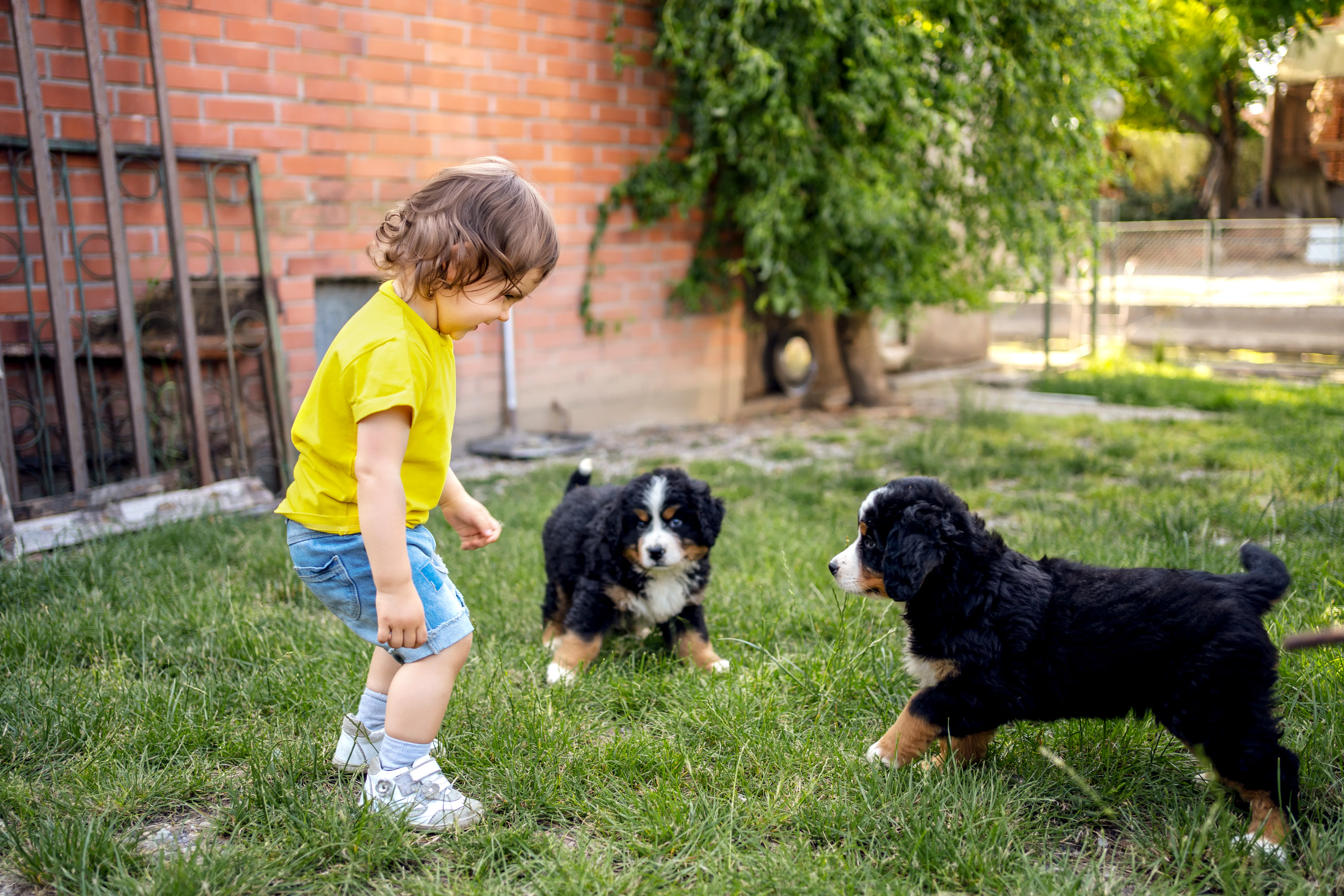
- Toddlers walking unsteadily (from a distance first)
- Kids playing soccer or running (watching from your arms can be perfect)
- Kids who can offer a treat with an open palm
People with mobility aids
- Wheelchair
- Walker
- Cane
- Crutches
Foster tip: If your puppy jumps or gets mouthy, greetings should happen with four paws on the floor. I often let the puppy sniff, toss a treat on the ground, and then we walk away. Short and sweet prevents bad habits.
The ultimate checklist: animals
Dog socialization is about learning dog language and feeling safe, not wrestling every dog in town.
Dogs to observe and meet (safely)
- Calm adult dog who ignores puppies (great teacher)
- Friendly small dog
- Friendly large dog
- Dog wearing a cone or bootie (from a distance)
- Dog with a different coat type (fluffy, short-coated, curly)
Other animals to introduce carefully
- Cats (dog on leash, cat has escape route, short sessions)
- Chickens or livestock (from a distance, if relevant to your life)
- Horses (watching from far away, behind a fence)
- Wildlife at a distance (squirrels, birds). Practice looking and then checking back in for treats.
Safe puppy play rules
- Play should have frequent breaks. I like interruptions every few seconds: call puppy back, reward, then release to play again.
- Look for loose bodies and role switching (chasing changes direction).
- If one puppy is hiding under a chair, pinning, or yelping repeatedly, end the session.
One-bad-moment rule: one scary interaction can stick, especially at this age. If play starts to look tense, step in early rather than “seeing if they work it out.”
The ultimate checklist: sounds
Sound sensitivity can sneak up later, so I like to start early with low volume and happy associations.
Home sounds
- Vacuum (start across the room, treat for calm)
- Blender or coffee grinder
- Hair dryer
- Dishwasher and clanking pans
- Doorbell (pair with treats before guests arrive)
- Smoke detector beep practice (use a sound recording quietly, never blast)
Outdoor and “life” sounds
- Traffic whoosh
- Motorcycles
- Sirens at a distance
- Construction sounds (hammering, leaf blowers)
- Skateboards and scooters
- Garbage truck day
Storm and holiday sounds
- Thunder recordings at low volume
- Fireworks recordings at low volume
Important: Never trap your puppy near the scary sound. Give them choice. If they move away, let them. We are building trust.
The ultimate checklist: places
A confident puppy has a big “this is normal” file in their brain. These are some of my favorite places to add to it.
Low-risk, high-value locations
- Friend’s house (different floors, different smells)
- Front porch or apartment hallway (watching people go by)
- Quiet park area (carried, or on a blanket)
- School parking lot after hours
- Outdoor cafe patio corner
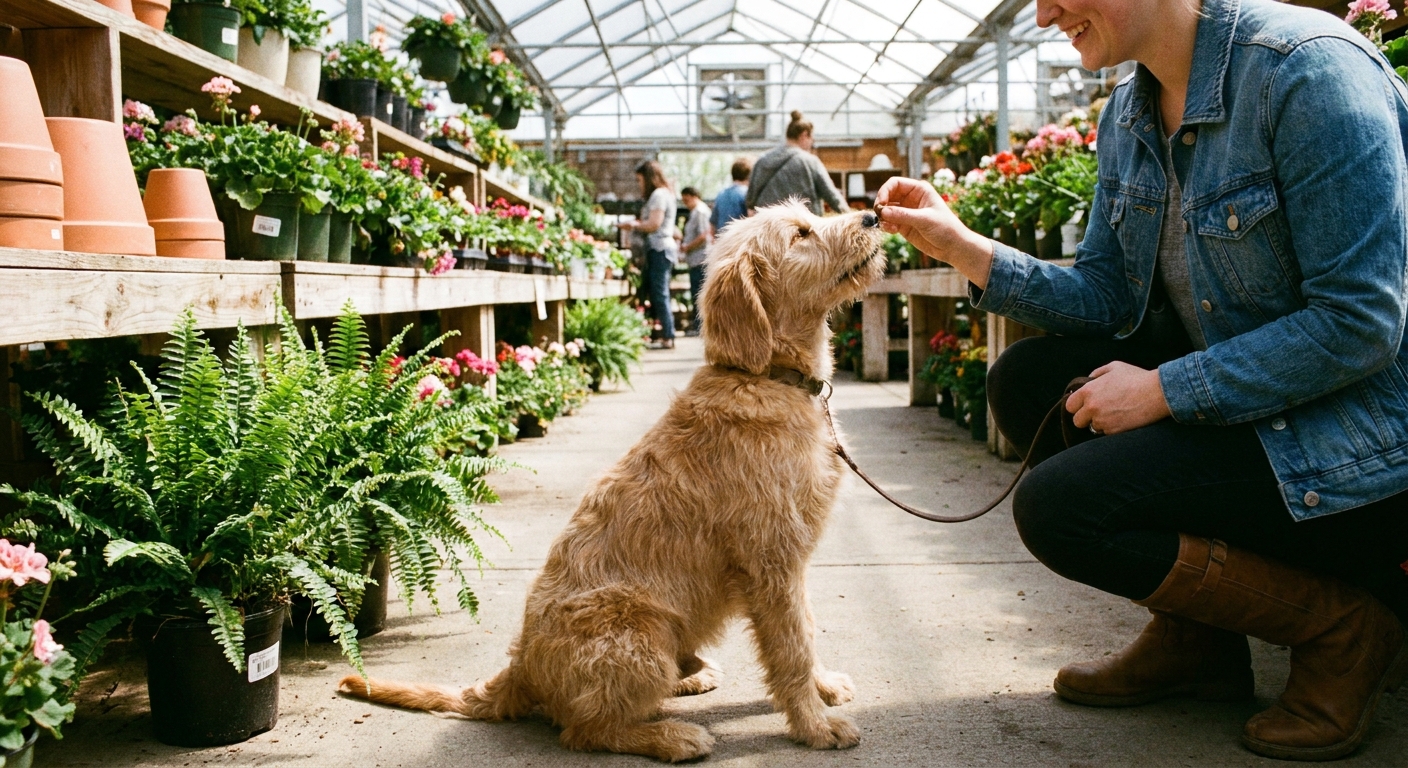
- Garden center (lots of smells, fewer dogs than pet stores)
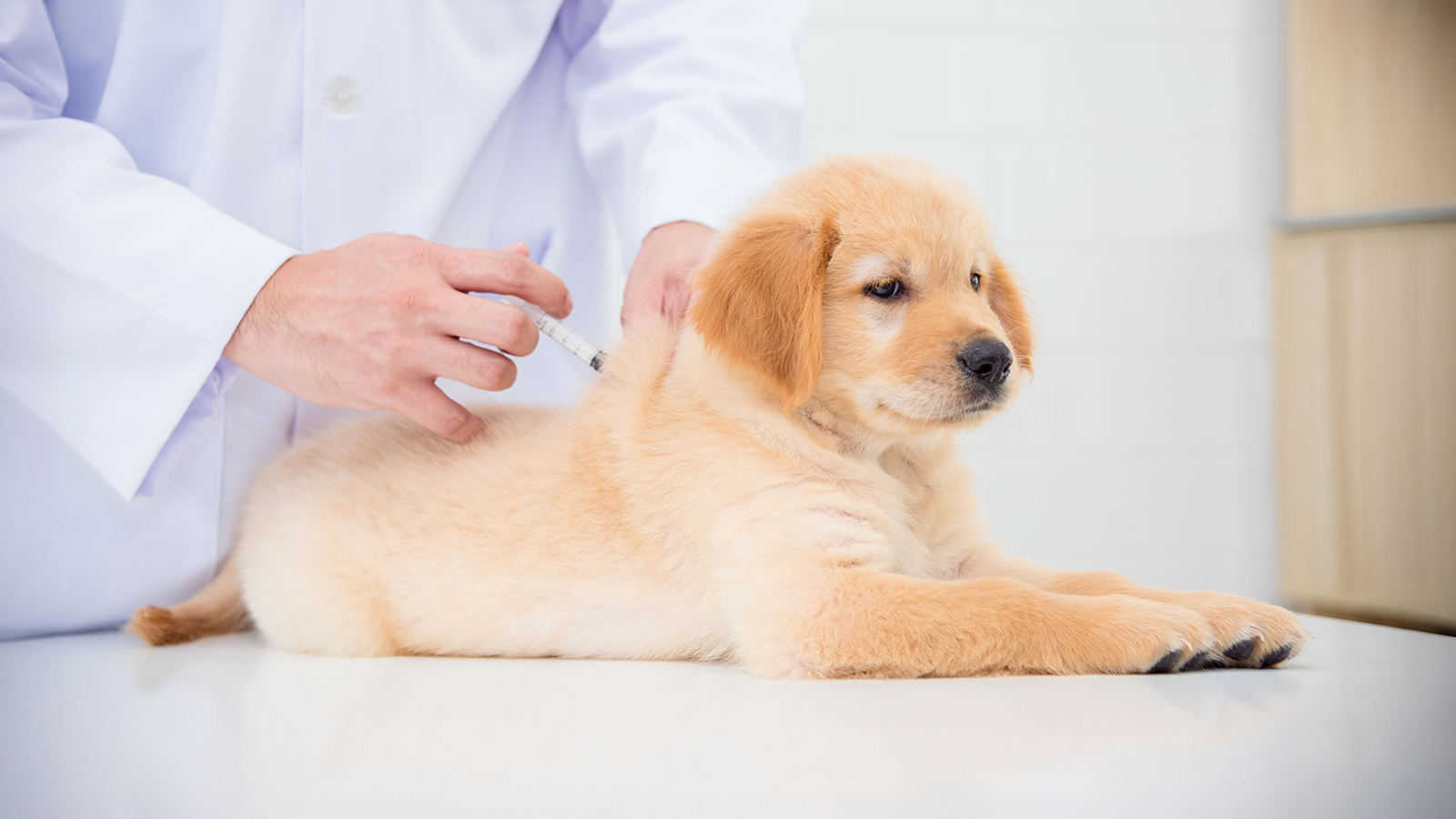
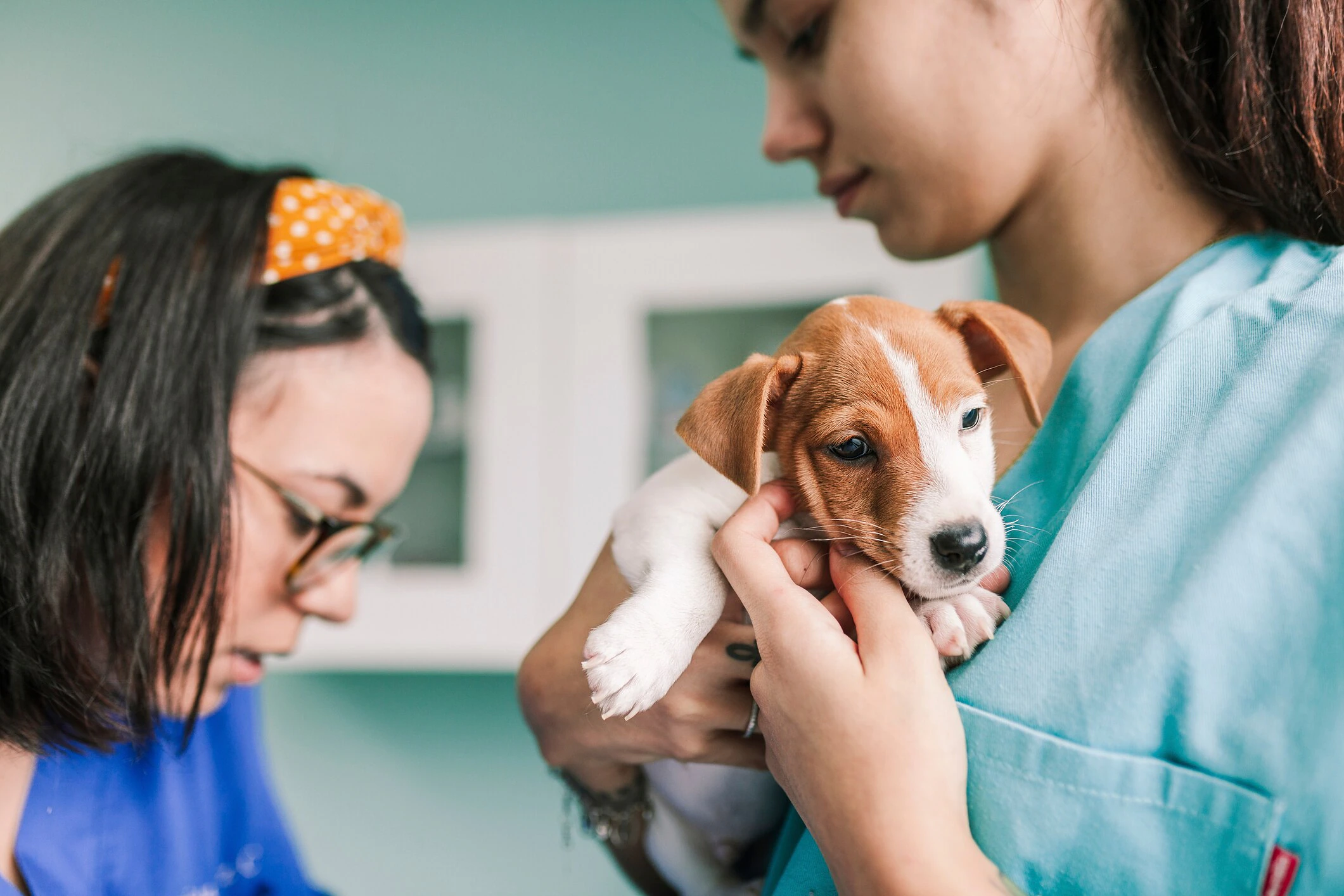
- Vet clinic “happy visit” (treats, scale practice, then leave)
Surfaces to walk on
- Grass
- Gravel
- Mulch
- Sand
- Metal grate (go slow)
- Wood deck
- Tile floor (slippery is a whole experience)
- Stairs (a few steps with support, not a stair marathon)
The ultimate checklist: objects
Puppies notice the things we forget are terrifying: a fluttering tarp, a statue, a rolling suitcase. Introduce objects like a game.
Rolling, moving, or noisy objects
- Skateboard or longboard (rolling slowly at a distance)
- Bike being walked past
- Stroller
- Rolling suitcase
- Trash bin with wheels
- Shopping cart
Household objects
- Umbrella opening (open slowly, treat, close, repeat)
- Hats and helmets
- Coats and backpacks
- Broom and mop
- Crinkly bags
- Balloon (tied down, supervised, some puppies find these very suspicious)
Costumes and decor (if relevant)
- Halloween decorations (from far away)
- Holiday inflatables (watching calmly from a distance)
Game idea: “Treat and retreat.” Toss a treat away from the object, let your puppy eat, then let them choose to look back at the object. This builds confidence without pressure.
Overlooked socialization: handling
If I could pick one category that saves families the most stress later, it is this one. Handling socialization turns vet visits, nail trims, and ear cleaning from wrestling matches into mild inconveniences.
Daily 60-second handling routine
- Collar grab: touch collar, treat. Light hold, treat. Release.
- Paws: touch paw, treat. Gently press toe, treat.
- Ears: touch ear flap, treat. Look inside briefly, treat.
- Mouth: touch muzzle, treat. Lift lip for one second, treat.
- Tail and belly: quick gentle touch, treat.
Grooming tool intros
- Brush or comb: one stroke, treat
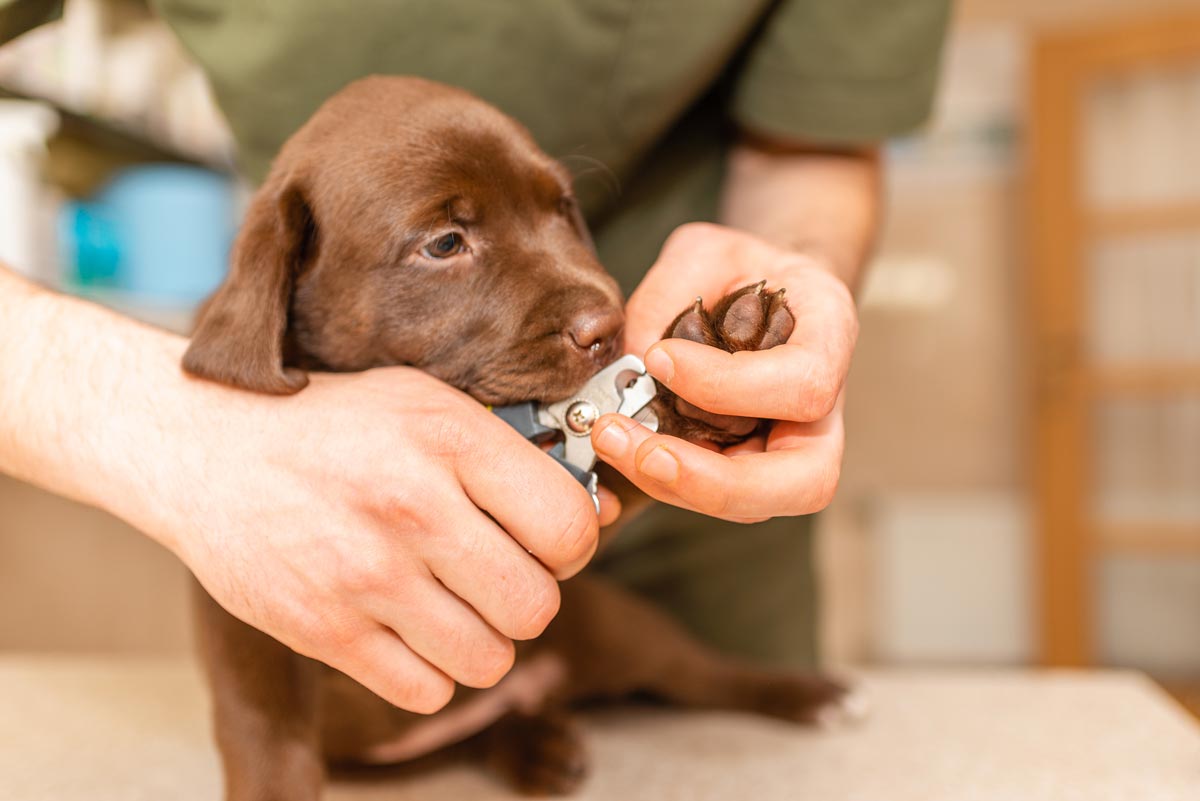
- Nail clippers or grinder: show it, treat, then touch paw with tool (no clipping at first)
- Toothbrush: lick toothpaste, treat
- Towel rub: pretend bath dry-off
Socialization and training
It is easier for puppies to feel brave when they know what to do. I weave tiny training reps into social outings.
Skills to practice in new places
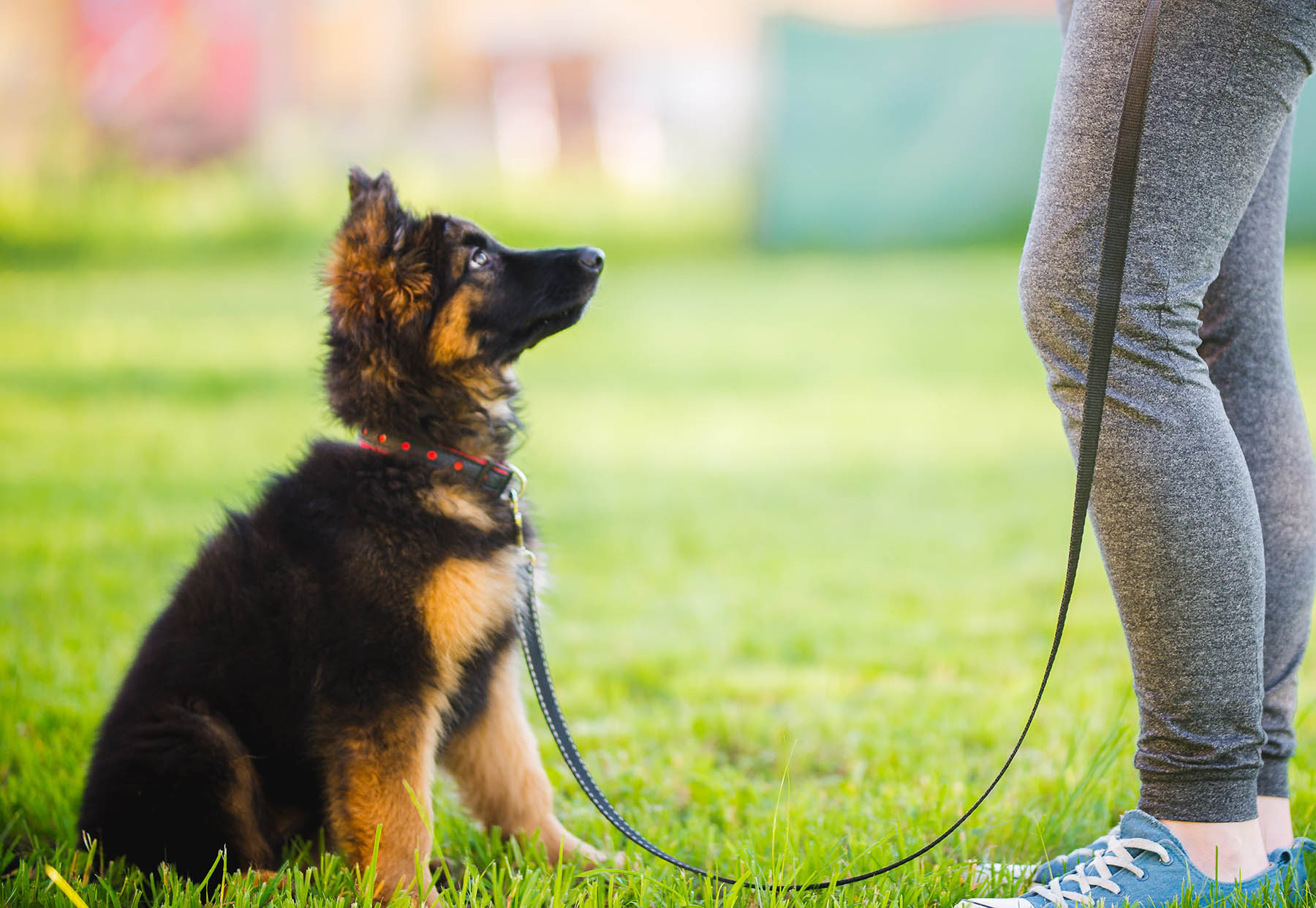
- Name response: say name, puppy looks, treat
- Hand target: touch your hand, treat
- Sit for greetings: sit, then hello
- Settle on a mat: one treat for stepping on, one treat for lying down
- Leave it: look away from something tempting, treat
A note about fear periods
Many puppies hit a stage where something normal suddenly feels scary. If your puppy startles at the trash can they ignored yesterday, you did not “mess them up.” Go back to easier distance, pair with treats, and keep sessions short for a few days. Some pups have more than one fear period, and timing can vary.
Quick fixes for common issues
Puppy barks at people
Increase distance until your puppy can take treats. Feed for looking at the person calmly, then for looking back at you. If barking continues, you are too close or the session is too long.
Puppy is scared of men, hats, or hoodies
Start with a calm person at a big distance. Treat for any calm glance. Ask the person to ignore your puppy, turn sideways, and gently toss treats away from themselves. Let your puppy choose if and when to approach.
Puppy freezes on walks
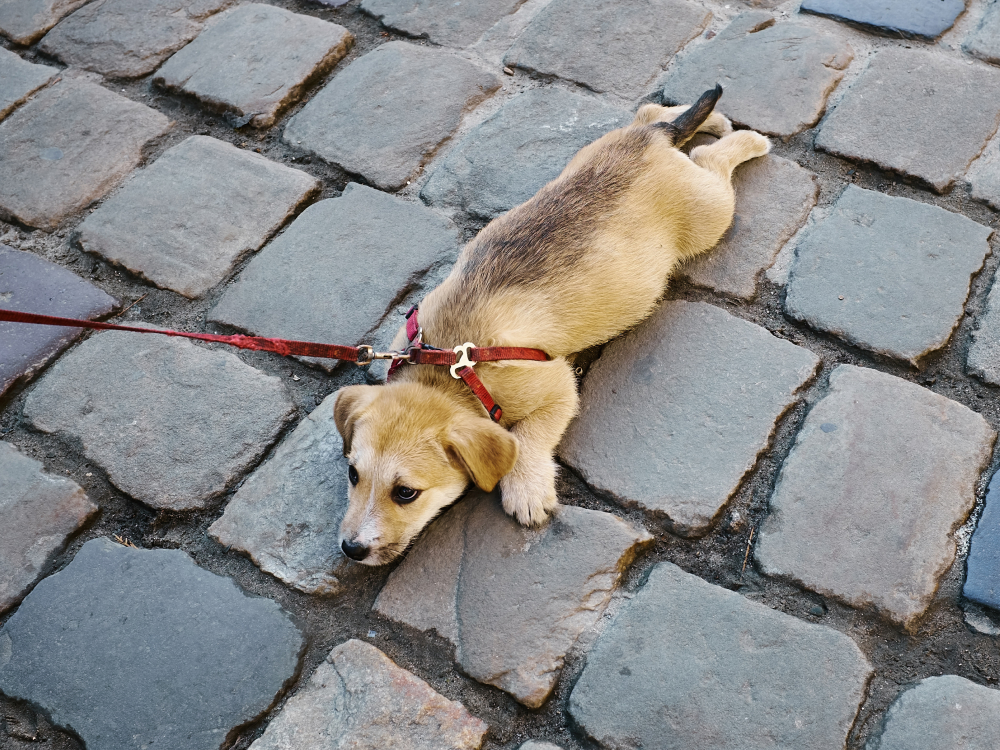
Do not drag them. Pause, scatter a few treats, and let them sniff. If they are still stuck, pick them up and try again another day in a quieter spot.
Puppy gets carsick
Ask your vet for guidance. In the meantime, keep rides short, cool, and smooth, skip big meals right before, and pair the car with tiny treat sessions while parked.
Printable-style master checklist
If you like to check boxes, this section is for you. Pick a handful each week.
People
- Man with beard
- Person with hat
- Person with sunglasses
- Person using umbrella
- Teenagers
- Young children (calm, supervised)
- Someone jogging past
- Someone carrying a big package
- Person using wheelchair, cane, or walker
- Someone in a uniform (or high-visibility vest)
Dogs and animals
- Calm adult dog
- Friendly small dog
- Friendly large dog
- Dog behind a fence (practice calm walking by)
- Cat (controlled intro)
- Birds and squirrels at a distance (practice check-ins)
Sounds
- Vacuum
- Hair dryer
- Doorbell
- Traffic
- Motorcycle
- Garbage truck
- Construction noise
- Thunder recording
- Fireworks recording
Places
- Vet happy visit
- Friend’s house
- Outdoor cafe corner
- Garden center
- School parking lot
- Park bench watching people
- Short elevator ride (if you have one)
Surfaces and objects
- Tile floor
- Metal grate
- Wood deck
- Sand
- Stairs (a few steps)
- Stroller
- Shopping cart
- Rolling suitcase
- Umbrella opening
- Crinkly bag
Handling
- Collar grab
- Paws touched
- Ears checked
- Lips lifted
- Gentle restraint (hug hold for one second)
- Brush one stroke
- Nail tool touch
- Towel rub
Common questions
How many new things should my puppy experience each day?
Quality beats quantity. One small “new” thing a day is great. Two to three is fine if your puppy stays relaxed and still naps normally. If you notice extra bitey behavior, zoomies, or your puppy is refusing food, you are probably doing too much.
Is it okay to take my puppy out before all vaccines?
Ask your vet about risk in your area, because parvo and other diseases vary a lot by region. In general, you can socialize safely by carrying your puppy, using clean blankets, avoiding unknown dogs and high-traffic potty areas, and choosing known healthy dogs for play. When in doubt, choose “watching the world” over walking through it.
Should my puppy meet lots of dogs at the dog park?
I skip dog parks for young puppies. Too many unknown dogs, too many uncontrolled interactions, and one scary experience can stick. Instead, aim for calm 1-on-1 playdates and a well-managed puppy class.
My puppy is scared. Should I comfort them or ignore them?
Comfort is fine. You are not going to increase the emotion of fear by speaking softly or offering support. You can accidentally reinforce frantic behaviors (like pawing or climbing) if you only respond when your puppy escalates, so I focus on reinforcing what I want: calm breathing, looking at the trigger, checking back in, or choosing to investigate. Most of all, do not drag your puppy closer or trap them. Increase distance until they relax.
What if we missed some socialization before 16 weeks?
Do not panic. Early socialization is powerful, but dogs can learn at any age. You may just need to go slower and be more deliberate, sometimes with a qualified positive reinforcement trainer if fear is intense.
My reminder before you go
You are not trying to create a puppy who loves everything. You are raising a puppy who can handle everything. If you do small, safe, treat-filled exposures and protect your puppy from overwhelming situations, you are doing it right.
And if you need an excuse to carry a sleepy puppy around like a warm baguette while you sip coffee and people-watch, consider this your official permission slip.