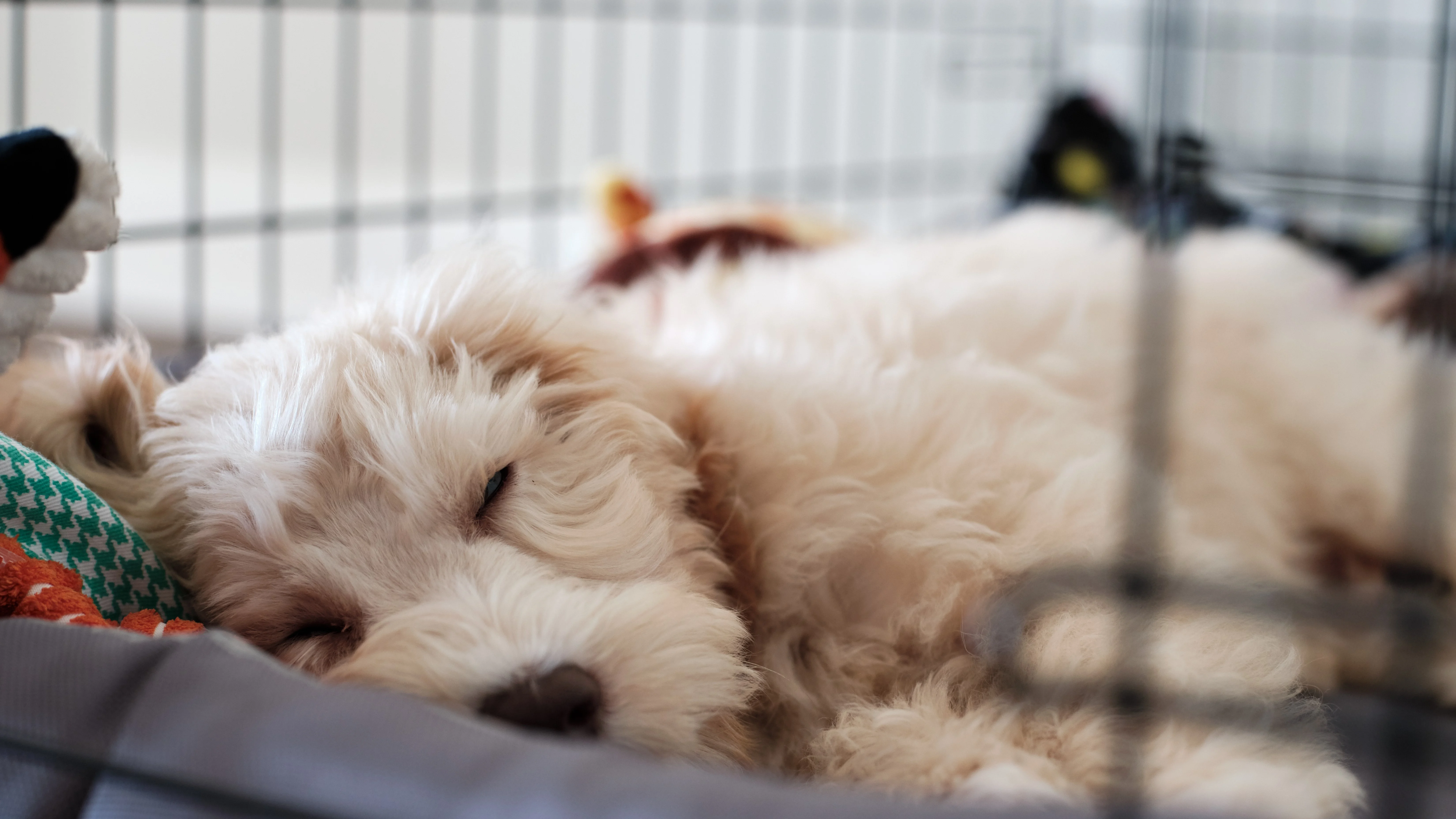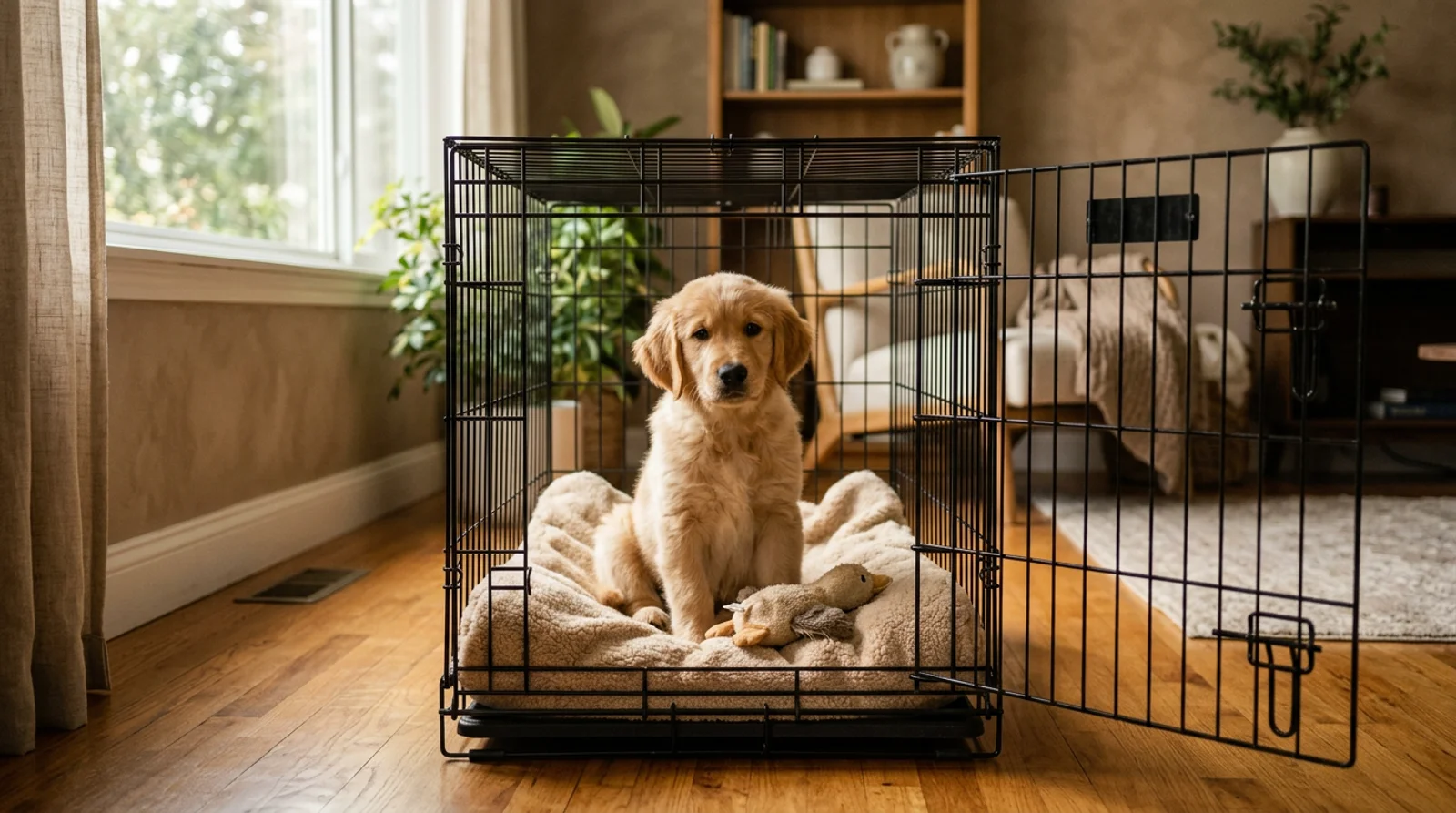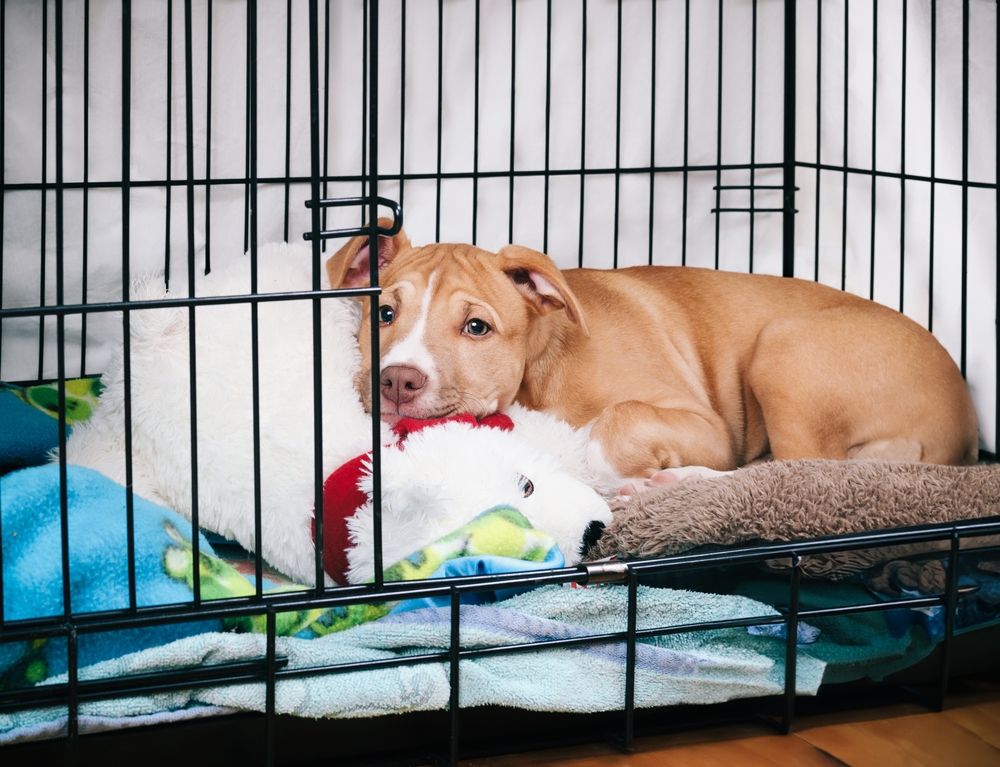
There is a special kind of hope that blooms the first night you think, “Maybe my puppy can sleep outside the crate now.” And there is also a very specific kind of heartbreak that follows if you wake up to a shredded throw pillow and a puddle you did not order.
The good news is that most puppies can graduate to nighttime freedom. The trick is doing it when your pup is truly ready and making the switch in small, boring steps. Boring is your best friend here.
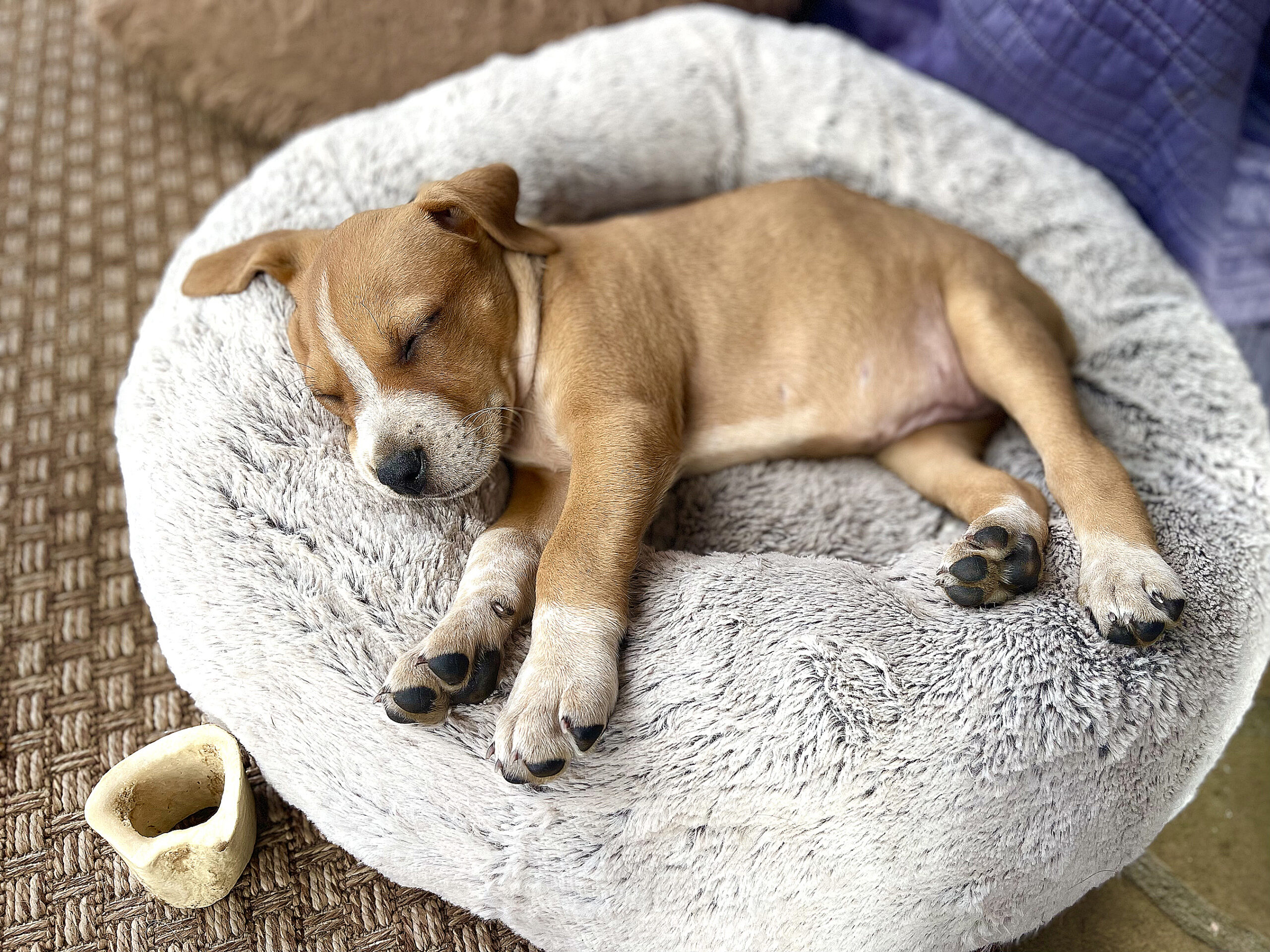
Do you need to stop crating at night?
You can absolutely keep a crate as part of your dog’s life, even if they do not sleep in it every night. In many homes the crate becomes:
- a quiet nap spot (especially helpful with kids or busy households)
- a safe place during parties, repairs, or deliveries
- a travel tool for hotels, relatives’ houses, and emergency situations
- a management tool if your dog is ever on crate rest after an injury or surgery
So think of this as “when to stop using the crate overnight” rather than “when to throw the crate into the garage forever.” I like keeping it available, door open, like a little puppy studio apartment.
Signs your puppy is ready
Age alone is not the best indicator. I have met 7-month-olds who are angels and 14-month-olds who would happily redecorate your home with couch foam. Look for patterns, not birthdays.
1) Potty training is solid
Most puppies are ready to trial nighttime freedom when they are consistently accident-free under normal circumstances. A good benchmark is:
- At least 3 to 4 weeks with no indoor accidents (not counting true stomach upset)
- They can hold it through the night when crated, without whining for potty breaks
- They reliably potty outside right before bed and first thing in the morning
2) The crate is calm
Graduation goes better when your puppy already treats the crate like a normal routine. If your evenings include frantic barking, scratching, or panicked drooling, tackle crate comfort first. Nighttime freedom is not a cure for crate anxiety.
One helpful distinction: a little “I would rather be with you” complaint that fades in a minute or two is common. Escalating panic, heavy drooling, self-injury, or nonstop distress is a different thing and worth professional help.
3) Chewing is under control
Some pups hit a second chewing wave during adolescence. If your puppy still seeks out table legs, shoes, remote controls, or baseboards, they are not ready for unsupervised access at night.
4) They can settle outside the crate
If your puppy can lie down on a bed in the evening while you watch a show, then doze off without constant “go, go, go,” that is a great sign. If they pace, patrol, or get into mischief the second you stop paying attention, give it more time.
5) You trust them with small daytime freedom
Before you try overnight, your puppy should handle short daytime periods in a puppy-safe space without accidents or destruction. Think: you take a shower, answer emails, or fold laundry, and your pup makes good choices.
A realistic timeline
Many puppies are ready to start testing nighttime freedom somewhere in the broad 5 to 18 month range, depending on house training progress, energy level, chewing habits, and individual temperament. Some will be ready earlier. Some will need longer.
And while people often notice that some small or toy breeds take a bit longer to feel truly consistent at night, it is not a hard rule. “Ready” is about habits, not size.
Also, some adult dogs simply sleep better in a crate, especially if they are easily startled or reactive to household sounds. “Ready” can also mean “my dog genuinely prefers the crate.” That is a win too.
How to transition safely
The biggest mistake I see is going from “crate all night” to “entire house access” in one leap. Instead, we widen freedom like opening a camera aperture one click at a time.
Step 1: Puppy-proof one sleep area
Pick a space that is already quiet at night, ideally near where you sleep. Common options:
- a bedroom corner
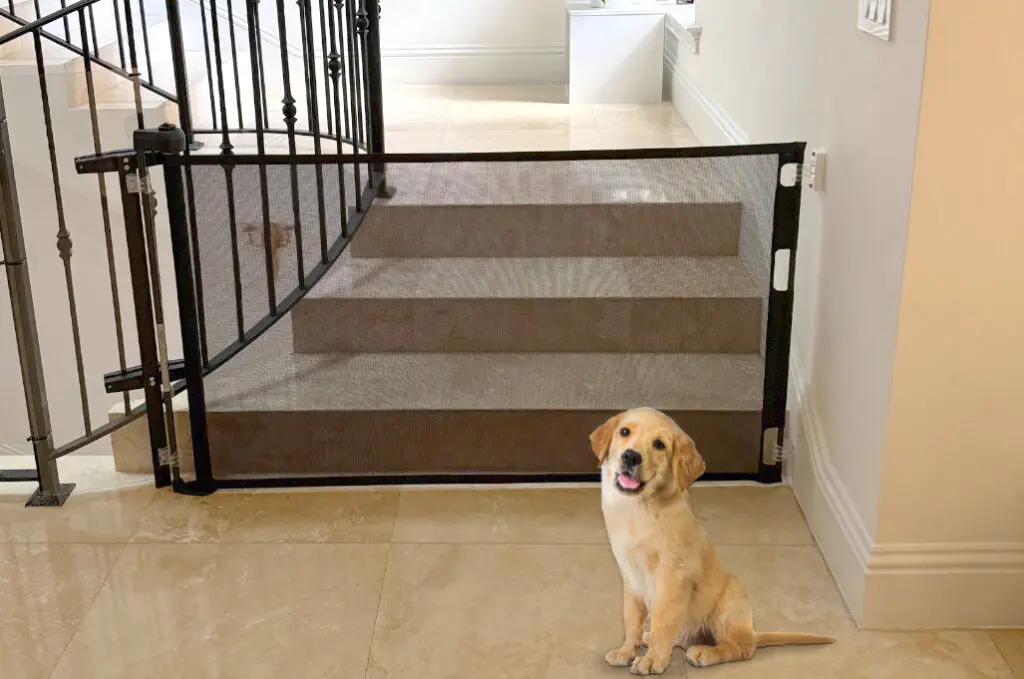
- a small hallway with a baby gate
- a playpen attached to the crate
- a laundry room or office (only if it is comfortably climate-controlled and safe)
Remove tempting hazards and “expensive chewable memories”: shoes, laundry piles, kids’ toys, chargers, houseplants, trash cans.
Also make it physically comfortable. A supportive bed, a reasonable room temperature, and a spot that is not in a draft or full blast of heat can be the difference between “settles” and “roams all night.”
Step 2: Keep the crate, change the door
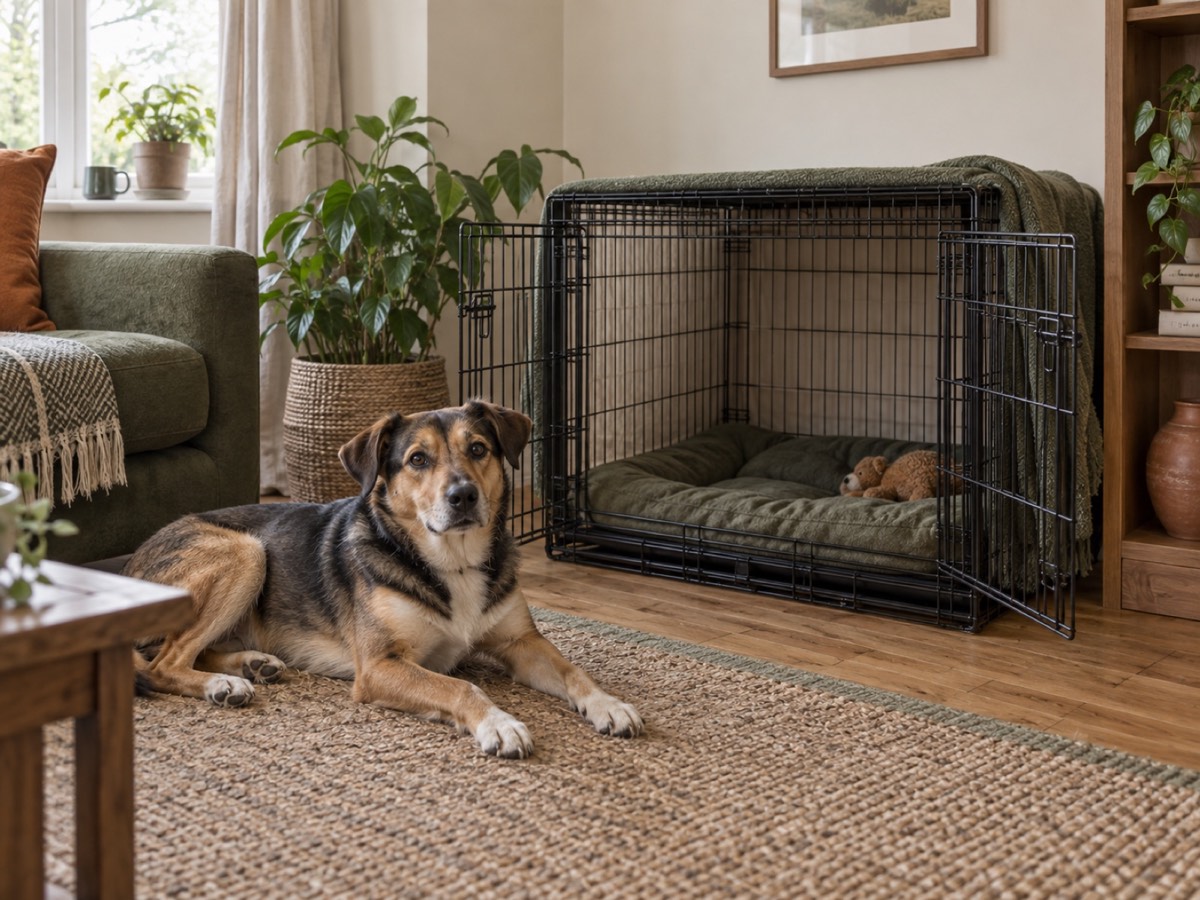
For the first phase, I like the crate in the same spot, with a comfy bed nearby. Your puppy can choose where to sleep. Some pups will still pick the crate half the time, which is adorable and also very convenient.
Step 3: Keep the same routine
Dogs love predictability. Your new routine should look exactly like the old one, minus the “click” of the crate door:
- last potty trip
- a last chance for water (more on this below)
- tiny calm-down period (lights dim, voices low)
- settle into the sleep area
Step 4: Trial it
Start with 1 to 3 nights in a row when life is calm. Not the night after a new visitor, not the night after fireworks, and not the night you are personally exhausted and cannot deal.
Step 5: Expand slowly
If your puppy does well for a week in the small sleep area, you can expand:
- Week 1: small gated area
- Week 2: whole bedroom
- Week 3: bedroom plus adjoining hall (if puppy-proofed)
There is no prize for speed. The prize is waking up to a normal morning.
Nighttime freedom checklist
Before you try sleeping outside the crate, make sure these basics are in place:
- Last potty break right before bed, on leash if your puppy gets distracted
- Trash secured, including bathroom trash
- Food put away and counters cleared if you have a counter surfer
- Wires blocked or lifted out of reach
- Doors shut to rooms that are not puppy-proofed
- Settle spot like a bed or open crate with familiar bedding
- Collar off if your dog will be unsupervised (to reduce snag risks on crates, tags, or furniture)
For chew items: choose something you are confident your individual dog will not dismantle and swallow when no one is watching. If your puppy is a power shredder, skip plush toys and anything with fabric, strings, or squeakers overnight, and keep the setup simple with just the bed or open crate.
Water at night
In most homes, yes, I keep water available. Hydration matters, and many dogs take tiny sips overnight. The exceptions are:
- your vet has instructed you to limit water for a medical reason
- your puppy is gulping water obsessively at night and then having accidents
Routine water restriction is not recommended for most healthy dogs. If you suspect water is contributing to accidents, talk to your veterinarian first, especially if the drinking is new or excessive, since increased thirst can signal illness.
For simple management in otherwise healthy pups, some owners have success offering normal water through the evening, then picking it up about 1 to 2 hours before bedtime, with a final small sip offered after the last potty trip. Use vet guidance if you are unsure.
If it goes badly
Mess-ups do not mean your puppy is “failing.” They mean the plan expanded faster than your puppy’s habits could support. Adjust and try again.
Potty accident
- Do not punish. Clean thoroughly with an enzymatic cleaner.
- Shrink freedom. Go back to the previous successful step (smaller area or back to crating).
- Re-check bedtime potty. Make the last trip boring and complete, not a quick sniff tour.
- Consider timing. Some pups still need one overnight potty break for a bit longer.
Chewing or destruction
- Assume access was too big. Freedom should be earned in inches.
- Improve the setup. Remove tempting items and only leave truly safe options.
- Increase daytime enrichment. Many nighttime chewers are under-exercised or under-stimulated, especially adolescents.
- Crate at night for now. You are not “going backward.” You are preventing a dangerous habit.
Roaming, whining, not settling
- Try a smaller sleep space so it feels cozy, not like a midnight adventure.
- Bring the bed closer temporarily, then slowly move it away over several nights.
- Keep nights boring. If whining earns attention, roaming becomes a strategy.
The first few nights
Even with a perfect setup, your puppy may treat the first night like a hotel stay. Here is what helps:
- Set an alarm for a proactive potty break if you are unsure. Better to prevent an accident than discover one at 6 AM.
- Use white noise if outside sounds trigger alert barking.
- Keep your reaction neutral if they get up and reposition. You want “nothing interesting happens at night” to become the rule.
- Expect a little weirdness for 2 to 3 nights. Many pups settle once the novelty wears off.
Common questions
Is it cruel to crate at night once my dog is older?
Not if your dog is comfortable, gets plenty of exercise and enrichment, and the crate is appropriately sized and introduced positively. Many adult dogs choose a crate-like den when they have the option.
Can my puppy sleep in my bed?
That is a personal choice, but I recommend waiting until potty training is reliable and your puppy is not in a mouthy or destructive phase. If you do allow bed sleeping, have a plan for management in case your puppy starts hopping off to explore at 3 AM.
What about free roaming when I leave the house?
That is a separate graduation. A puppy who can handle nighttime freedom might still panic, chew, or have accidents when home alone. Practice alone time gradually and only expand freedom when your dog consistently makes safe choices.
My dog sleeps out of the crate, but I still want crate skills
Easy. Feed occasional meals in the crate, toss treats in randomly, and encourage nap breaks inside with the door open. You can also do short “crate stays” while you cook dinner, then release your dog before they get fussy.
When to get help
If your dog is having repeated nighttime accidents after months of being reliable, is suddenly drinking much more water, or is showing panic behaviors when confined or left alone, bring your veterinarian into the loop first. If medical causes are ruled out and anxiety or destructive behavior continues, a qualified force-free trainer can help you build a plan that fits your home and your dog’s temperament.
Bottom line
Stopping overnight crate use is less about a magic age and more about consistent habits. If potty training is solid, chewing is under control, and your puppy can settle calmly, you can start the transition with a small, puppy-proof sleep area and expand slowly. If anything goes sideways, shrink freedom and try again later. That is not failure. That is good management, and it is how you end up with a trustworthy adult dog.