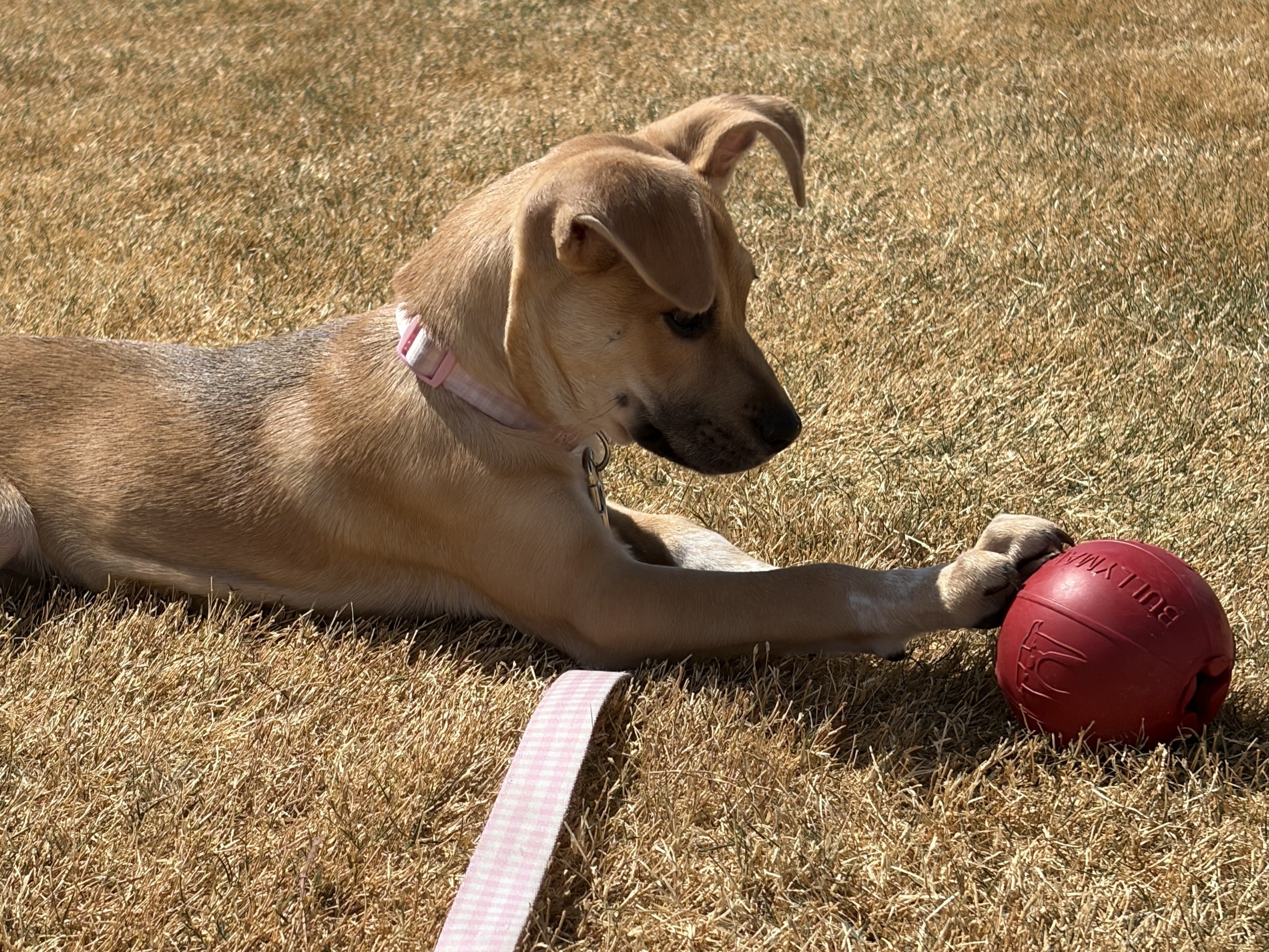
Destructive chewing is normal, and it's teachable
If your puppy is treating your home like a chew buffet, take a breath. Chewing is how puppies explore, self-soothe, and survive teething. The goal is not to stop chewing. The goal is to teach your puppy what to chew, make that choice easy, and make the “bad” choices boring and unavailable.
I've fostered plenty of pups who arrived with zero manners and a deep personal vendetta against table legs. With the right setup and a simple redirection routine, most puppies improve fast because chewing is a habit, and habits are built by repetition.
Why puppies chew the wrong stuff
Chewing usually falls into one of these buckets:
- Teething pain: Often ramps up between about 3 and 6 months, but some pups stay extra chewy longer because of habit, adolescence, or just being a determined little goblin.
- Boredom: A bored puppy will create their own enrichment, usually out of your bookshelf.
- Overtired and wired: Overtired puppies get bitey and grabby, then spiral.
- Stress or separation panic: Especially when they're left alone too long too soon.
- It worked once: If chewing the couch earned attention or a fun chase, the behavior gets reinforced.
- Wrong chew match: The toy you bought might be too hard, too soft, too boring, or the wrong texture.
When you know the “why,” you can pick the right fix. Teething needs soothing chews. Boredom needs planned activity. Stress needs slower alone-time training, not just more toys.
Set up the environment to help them win
Training matters, but management is what keeps your house intact while training takes hold. Think of it as toddler-proofing, but with more teeth.
Start with a puppy-safe zone
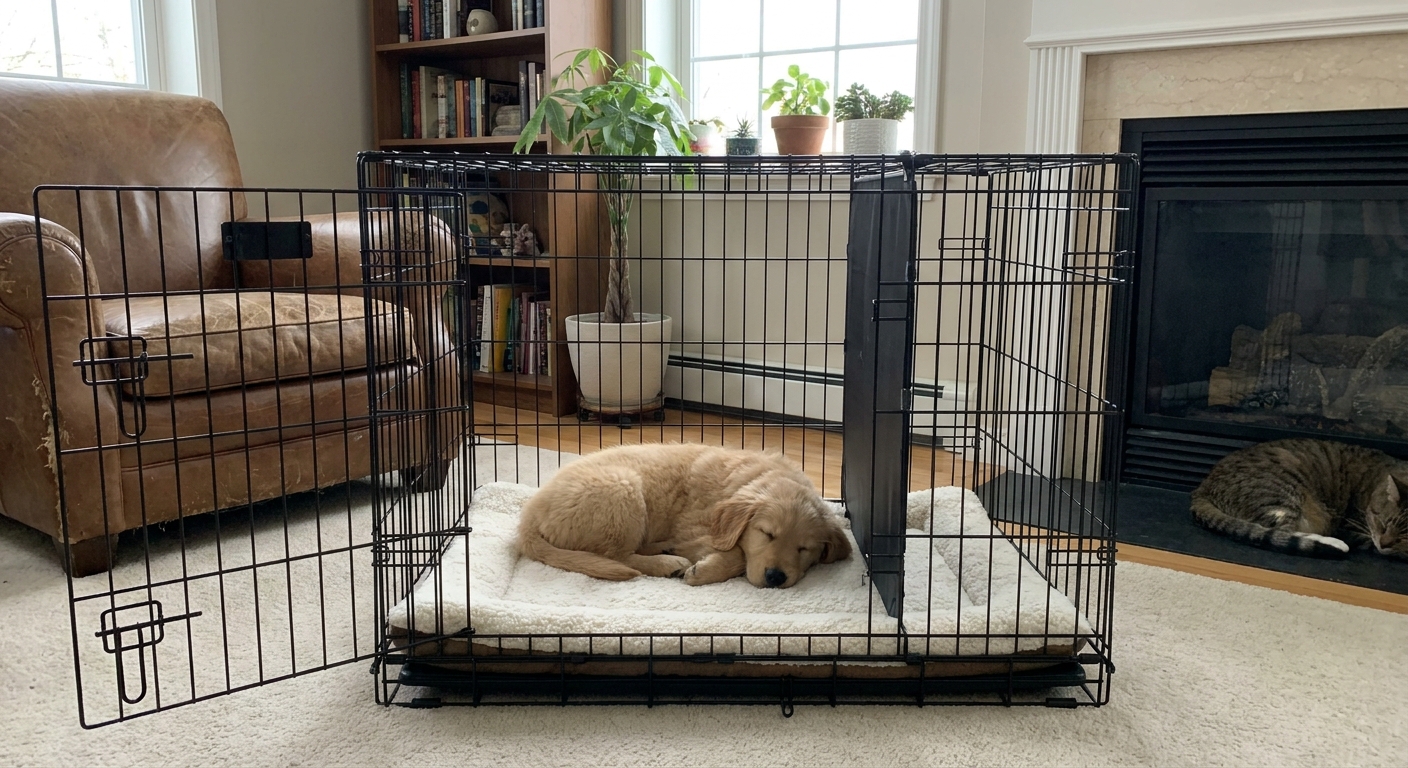
- Use a crate (for naps and short rests) and an x-pen or gated area (for awake time when you can't actively supervise).
- Keep the floor clean. If it's on the floor, it's “fair game” in puppy logic.
- Block access to furniture corners, cords, and rugs if those are current targets.
Remove high-value temptations
- Shoes and kids’ toys go in a closed closet or up high.
- Trash cans need lids. Laundry needs a hamper with a top.
- Use cord covers or keep cords behind furniture. A chewed cord is an emergency waiting to happen.
Rule of thumb: if you can't watch your puppy, they should be in a safe area with approved chews. Freedom is earned, not gifted.
Also, get everyone in the house on the same page. Most “my puppy destroyed everything” stories have a subplot that involves someone leaving socks on the floor.
Choose chews that compete with shoes
Most destructive chewing isn't because your puppy is “bad.” It's because the chew options aren't satisfying enough. The right chew hits the sweet spot: safe, engaging, and the correct level of resistance.
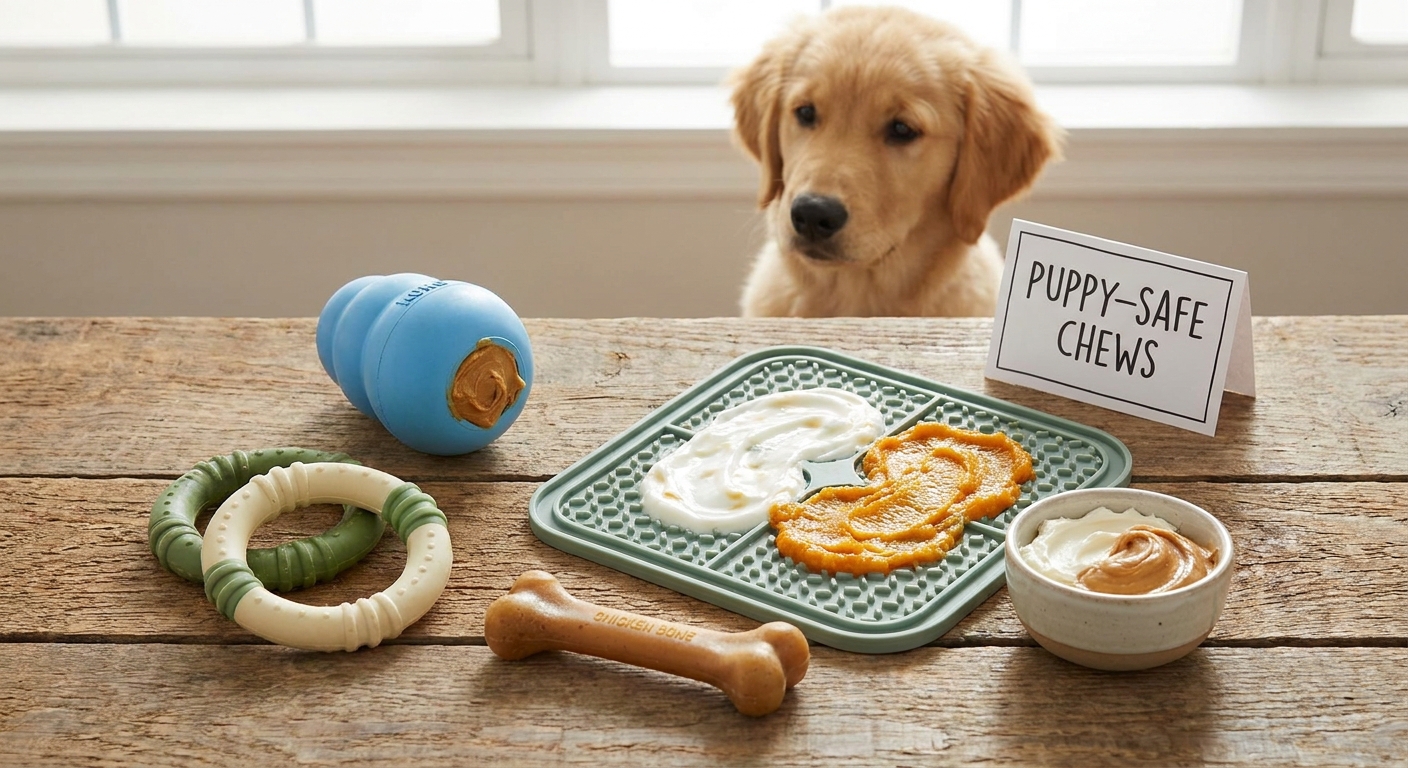
My foster-home chew lineup
Rotate 3 to 5 options so they stay interesting.
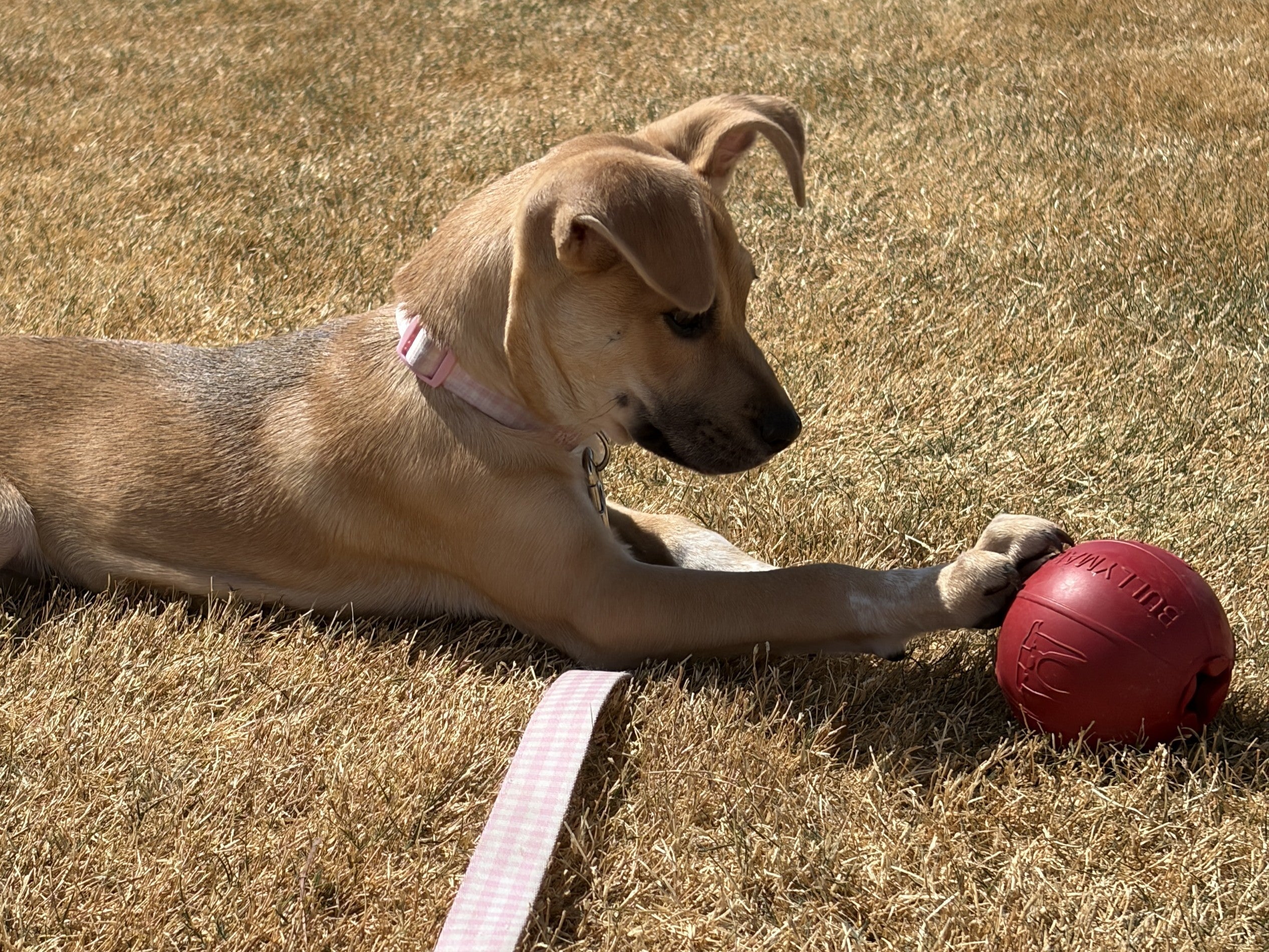
- Rubber stuffable toy: Great for food puzzles and soothing chewing.
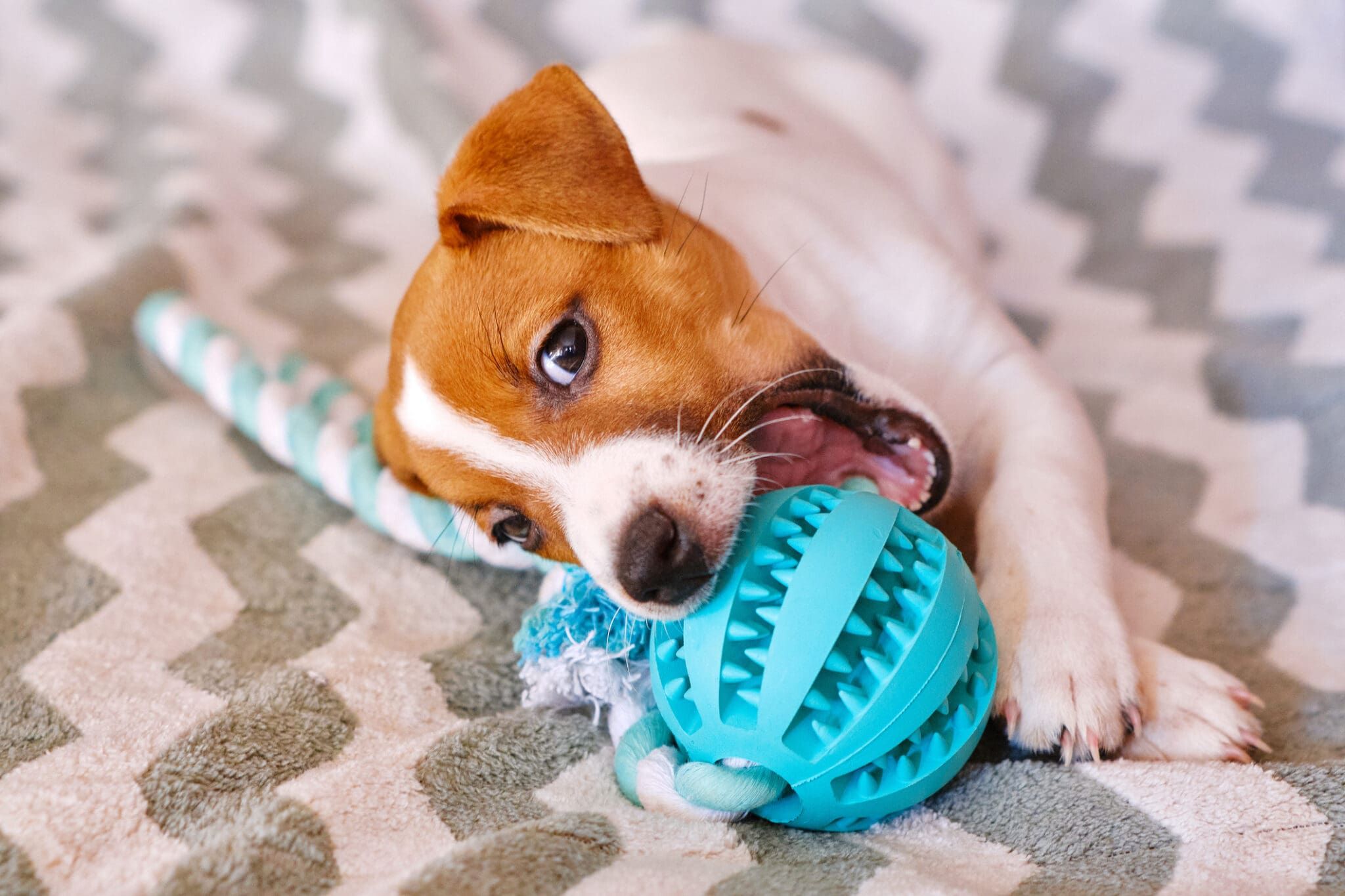
- Textured teething ring or rubber bone: Helpful for gum discomfort.
- Edible chews: Choose puppy-appropriate sizes and supervise closely.
- Lick mats: Many puppies find licking soothing, and it can help take the edge off mouthy chaos.
- Tug toy: For interactive play with rules, not solo chewing.
Chew safety checks
- Use the fingernail test as a clue, not a guarantee: if you can dent it with a fingernail, it's often gentler on puppy teeth than rock-hard options. Still, always follow manufacturer guidance and your vet's advice.
- Avoid chews that splinter or break into sharp chunks.
- Choose size based on your puppy’s adult size. Too small is a swallowing risk.
- Supervise new chews until you know how your puppy uses them.
- Remove edible chews when they get small enough to swallow whole.
A quick word on very hard chews
Skip the ultra-hard stuff for most puppies, especially antlers, hooves, and real bones. They can crack teeth, even in young dogs. If you want a long-lasting option, ask your vet what they consider appropriate for your puppy's age and chewing style.
If your puppy demolishes toys, that's information. Try a tougher rubber option, a bigger size, or switch textures. Lots of puppies have a strong “texture preference,” like rubber over plush or vice versa.
Redirection in the moment
Redirection is a skill. You're teaching your puppy that chewing is allowed, but only on the right items. Here's the routine I use with new fosters.
Step 1: Interrupt calmly
When you see your puppy chewing something off-limits, stay calm. No yelling, no chasing. Use a gentle interruption like a kissy noise, a single clap, or a cheerful “oops.”
Step 2: Offer the approved chew
Put the right toy directly in front of their mouth. Wiggle it, tap it on the floor, or make it interesting. Movement sells.
Step 3: Pay for the switch
The second your puppy takes the toy, mark it with praise and, if needed, add a tiny treat. You're paying them for the decision you want repeated: choosing their chew.
Step 4: Make the wrong item vanish
Once your puppy is engaged, quietly remove the shoe, remote, or chair cushion. If it stays available, they'll go back for round two.
Step 5: If they keep returning, change the plan
If your puppy drops the toy and keeps trying for the couch, it usually means one of these is true:
- They need a better chew (more satisfying texture, more interesting, or food-stuffed).
- They need a nap (overtired puppies make questionable choices).
- They need less freedom right now (use the pen or leash indoors).
Teach “Trade” to skip keep-away
Chasing your puppy for a stolen sock turns into the best game ever, and then you get more sock theft. A simple “trade” cue keeps everyone safer and calmer.
How to teach it
- Offer your puppy a low-value toy.
- Hold a treat at their nose and say “trade.”
- When they drop the toy to take the treat, give the treat.
- Immediately give the toy back.
Giving the item back is the secret sauce. It teaches your puppy that letting go doesn't mean losing everything forever.
Make toys more exciting
Some puppies need help learning that toys aren't just background decor. A few easy upgrades:
- Stuff and freeze: Fill a rubber toy with kibble mixed with a little wet food, then freeze for longer chew time. You can also use a small smear of xylitol-free peanut butter or plain yogurt if your puppy tolerates dairy. Keep portions modest to avoid stomach drama.
- Rotate toys: Put most chews away and offer only a few at a time. Novelty matters.
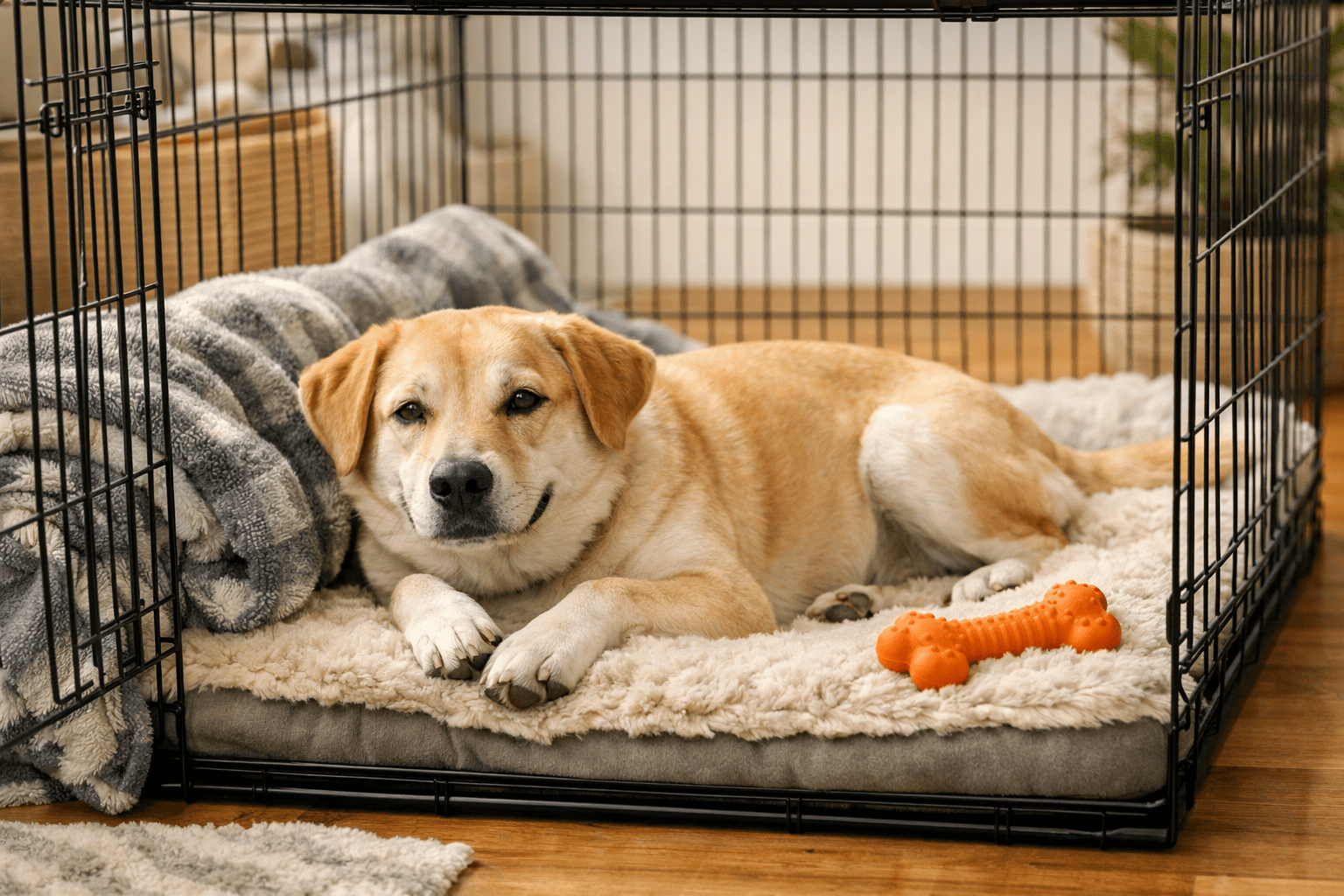
- Build a chew station: A cozy bed in the puppy zone plus 2 to 3 great chews creates a default place to settle.
- Pair chewing with calm: Give the best chews after potty breaks and light play, right before a nap window.
Meet the boredom need
Chews help, but they can't do the whole job. If your puppy is chewing out of boredom, add a little daily brain work:
- Sniff walks: Slow strolls where your puppy can smell everything are surprisingly tiring.
- Mini training sessions: Two to five minutes of sits, hand targets, and name games can take the edge off.
- Scatter feeding: Toss kibble in the grass or a snuffle mat so they can hunt.
- Play with rules: Short tug or fetch breaks, then a cue to settle with a chew.
Common hotspots
Table legs and corners
- Block access with gates or an x-pen whenever you can't supervise.
- Keep a chew toy basket nearby so you can redirect fast.
- If your puppy is locked onto one spot, tether them to you with a leash indoors for a few days so they can't rehearse the habit.
Shoes and socks
- Management first: closed closet or high shelf.
- Practice “trade” with low-stakes items so you're ready for the real thing.
- Provide a legal alternative with a similar vibe, like a soft tug toy or a fleece rope.
Carpet and rugs
- Rug chewing often spikes when puppies are overtired. Add nap structure.
- Limit access to one easy-to-clean room during the training phase.
- Redirect to a textured rubber chew or a lick mat to satisfy that “gnaw and worry” urge.
How much chewing is too much?
Chewing itself is healthy, but these are signs you should adjust your plan:
- Your puppy can't settle without chewing, even after exercise and potty.
- Chewing ramps up when left alone, especially with pacing, drooling, or frantic behavior.
- Your puppy is swallowing chunks or eating non-food items.
If you suspect anxiety, compulsive behavior, or pica (eating non-food items), loop in your veterinarian or a qualified force-free trainer. Sometimes the solution isn't “more discipline,” it's a better behavior plan and, in some cases, medical support.
When chewing is dangerous
Please contact your veterinarian promptly if your puppy:
- Swallowed a piece of toy, cloth, rock, or bone-like chew
- Is vomiting, gagging, bloated, not eating, or acting painful
- Has diarrhea with lethargy or signs of dehydration
- Chewed an electrical cord
Cord chewing is a call-now problem, even if your puppy looks fine. Electrical injuries can cause delayed issues, including serious lung injury. I've seen tough puppies get knocked flat by a simple blockage too. When in doubt, call. It's always better to feel a little overcautious than to wait too long.
Your next 7 days
- Day 1: Puppy-proof one main area and set up a pen or gates.
- Day 2: Buy or gather 3 to 5 safe chews with different textures.
- Day 3: Start toy rotation. Two chews out, the rest put away.
- Day 4: Teach “trade” for 2 minutes, twice a day.
- Day 5: Begin indoor leash tethering if furniture chewing persists.
- Day 6: Add one frozen stuffed toy during your puppy’s witching hour.
- Day 7: Review your biggest chewing time. Is it boredom, teething, or overtiredness? Adjust your schedule accordingly.
Most puppies improve when they stop getting chances to practice the wrong choice and start getting paid for the right one. It's not magic. It's repetition.
FAQ
Should I use bitter spray?
It can help in specific situations, but it's not a complete plan. Some puppies ignore it, and it doesn't teach what to chew. Also, bitter sprays can be aversive and stressful for sensitive pups. If you use one, make sure it's pet-safe, follow the label, and treat it as a backup while you manage the environment and actively redirect.
Is it okay to let my puppy chew sticks?
I avoid sticks for most puppies because they splinter and can cause mouth injuries or stomach trouble. If your puppy loves that crunchy feel, offer a safer chew with a similar texture, and supervise.
My puppy only chews the couch when I leave the room. Why?
That can be boredom, lack of nap structure, or early separation distress. Start with management (pen or crate with a stuffed chew), then practice very short absences and build up. If your puppy panics, involve a trainer or your vet.
How long does the destructive chewing phase last?
Many puppies settle as teething ends and training clicks, often after 6 months, but it varies. Some dogs stay extra chewy beyond that due to adolescence and habit. Consistent management and redirection usually make a noticeable difference within a couple of weeks.