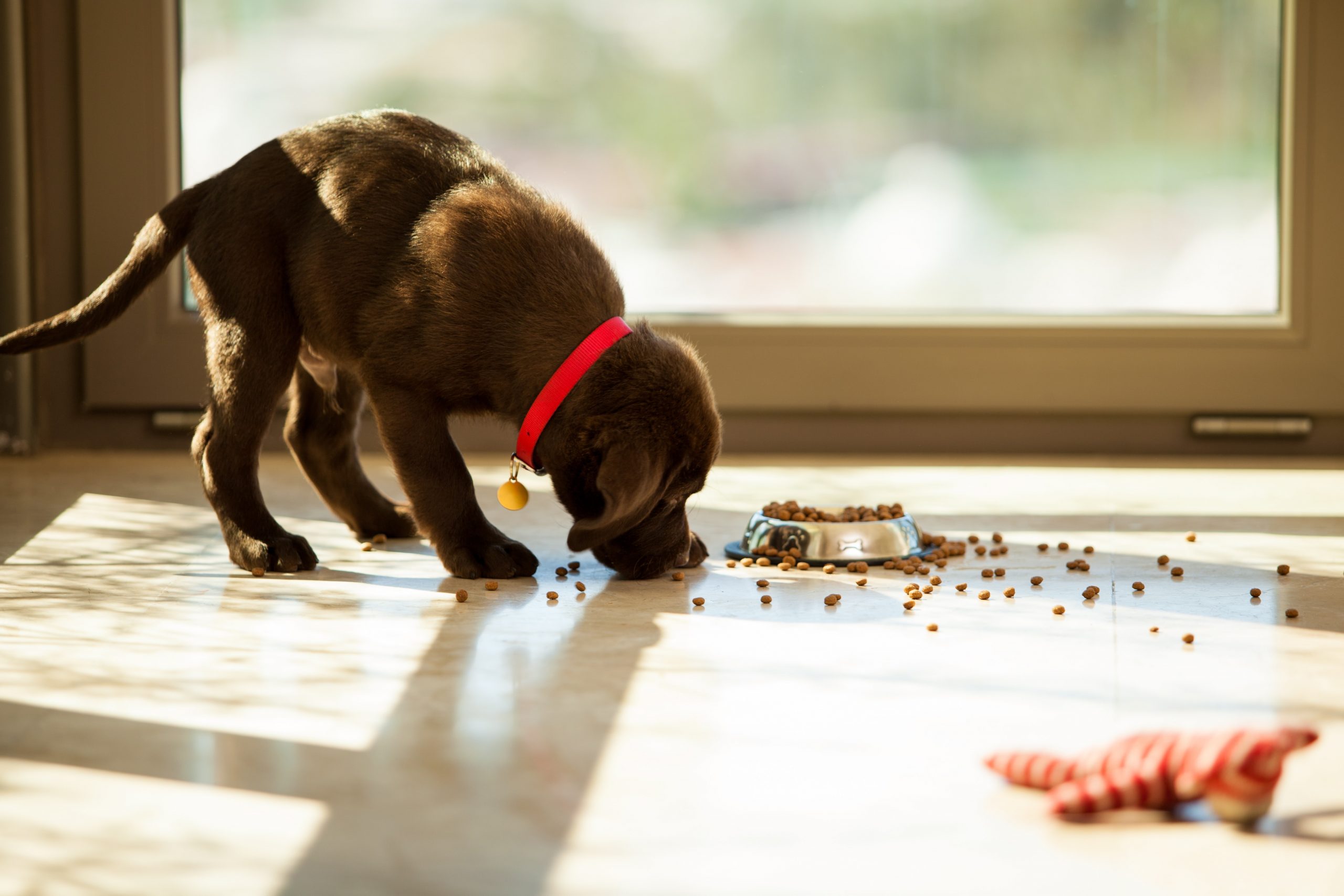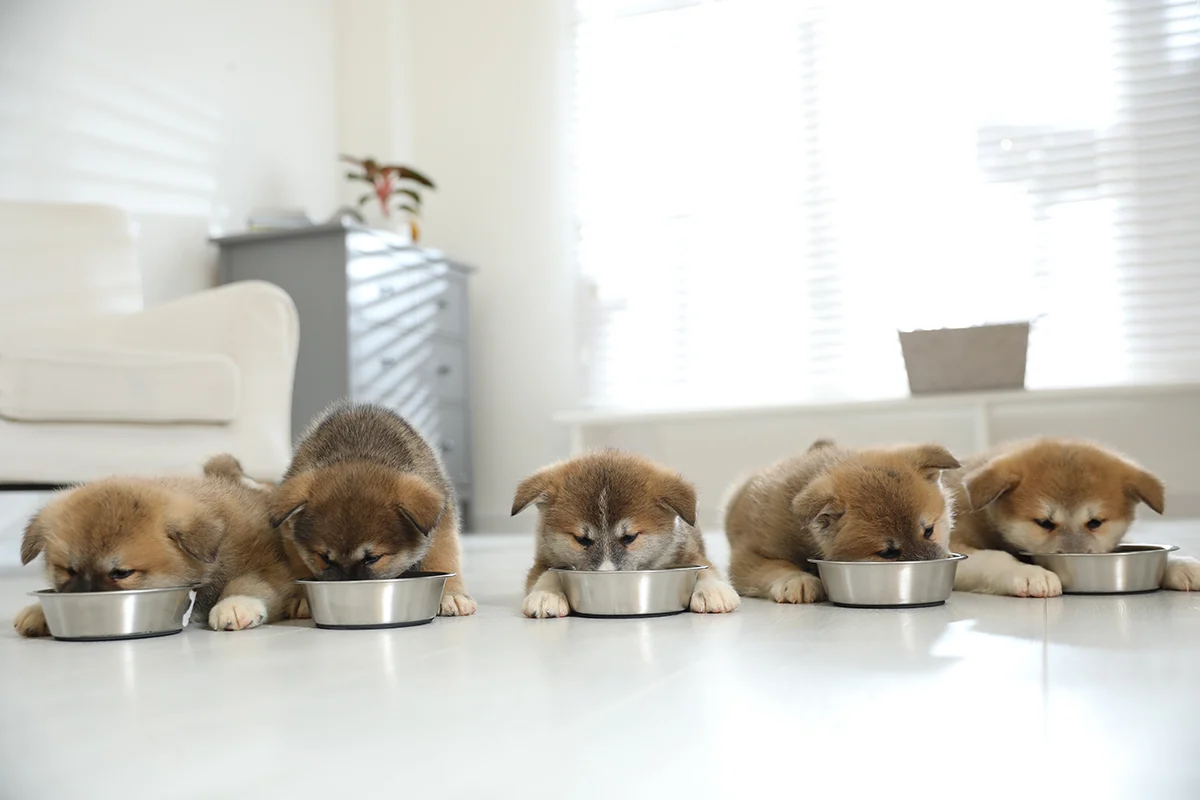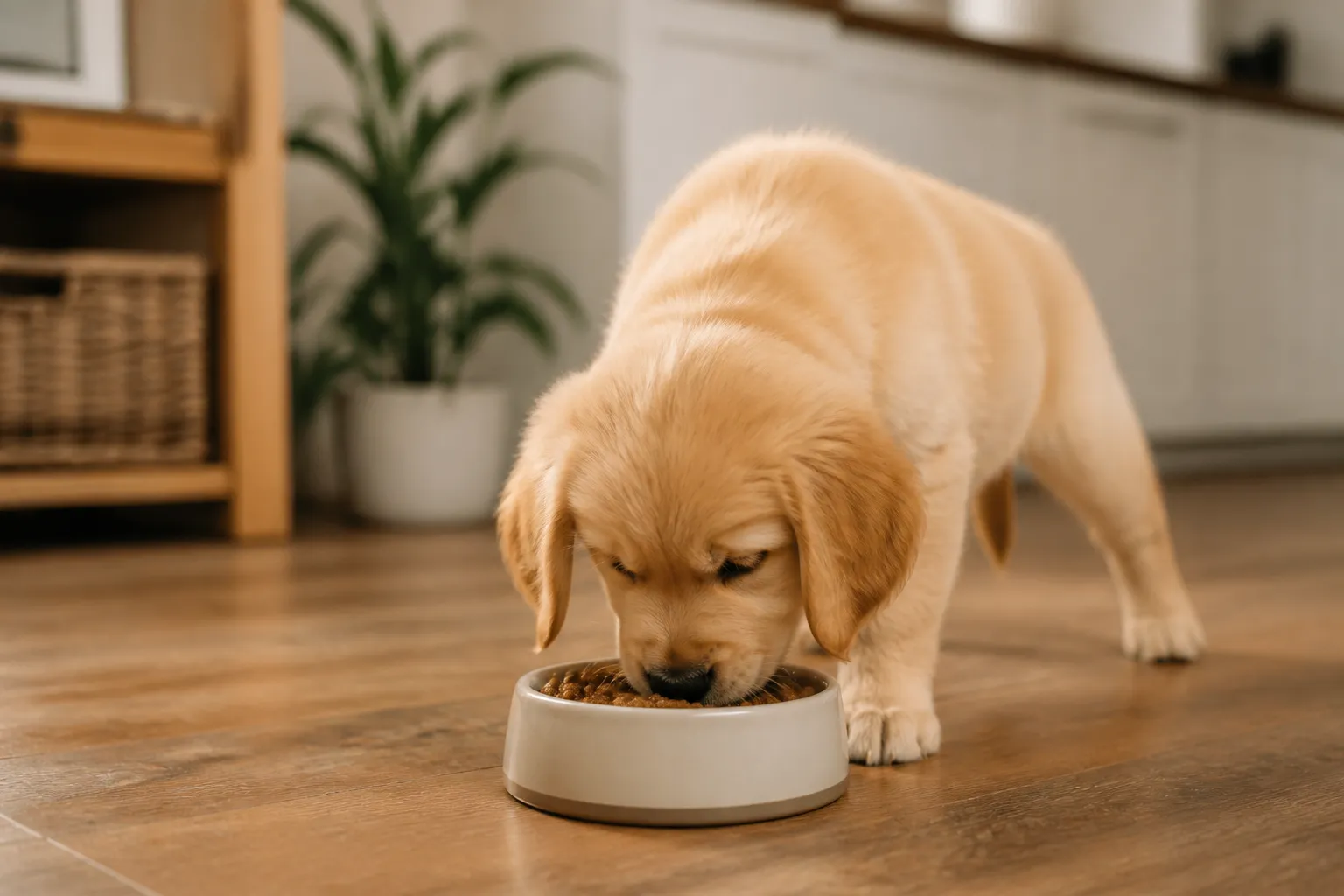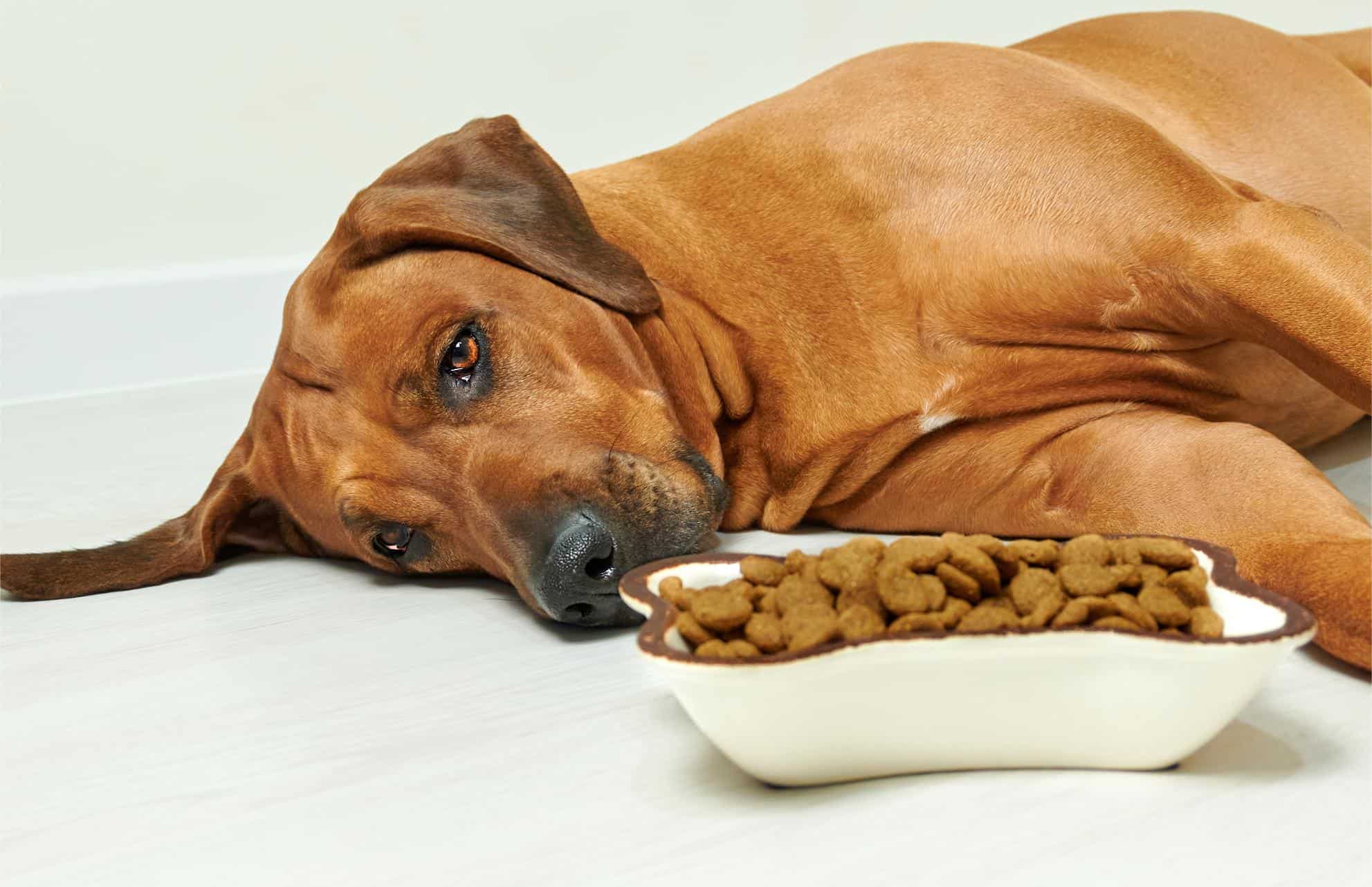
Some puppies eat like they are on a game show called Inhale This Kibble. One second the bowl is full, the next you are staring at a dog licking an empty dish with the intensity of a tiny vacuum cleaner. It can be funny until it is not, because fast eating can lead to gagging, coughing, vomiting, gassy misery, and sometimes puking later, often right onto your rug.
The good news: you do not need to “teach manners” the hard way to fix this. Most gulping puppies improve quickly with the right setup and a calmer routine. Below are the options I reach for first with foster pups, from slow feeders to food puzzles to pacing tricks that cost basically nothing.
Why puppies gulp their food
Fast eating is common, especially in young dogs. A few of the usual reasons:
- Competition mindset: Puppies from litters or shelters often learned to eat fast so nobody else stole their food.
- Hunger and growth: Puppy bodies are growing like weeds. Some genuinely feel ravenous.
- Excitement and routine: If meals arrive during peak chaos, your puppy may eat at peak chaos too.
- Learned habit: The more they practice inhaling, the better they get at it.
- Medical discomfort: Parasites, malabsorption issues, or poorly tolerated food can increase appetite or urgency.
If your puppy is also losing weight, has persistent diarrhea, seems constantly starving, vomits frequently, or coughs after eating, loop in your vet. A ravenous appetite plus weight loss, in particular, is a “do not wait” combo. Slow-feeding helps, but it should not cover up a health issue.
Is gulping dangerous?
It can be. The biggest practical risks I see are:
- Choking and gagging: Especially with large kibble, treats, or big mouthfuls swallowed whole.
- Regurgitation or vomiting: Food comes back up quickly, sometimes undigested.
- Gas and stomach upset: Extra swallowed air plus rushed digestion can make pups miserable.
- Resource guarding gets worse: A puppy who fears food disappearing may tense up around bowls.
You may hear about bloat (GDV). While it is smart to take GDV seriously, it is more complex than “ate fast = bloat.” Research on specific factors like eating speed and raised bowls is mixed, and risk depends a lot on breed and body type (especially deep-chested dogs), age, and individual history. If you have a high-risk breed, ask your vet what prevention steps make sense for your dog.
When to call the vet fast
Slow-feeding is great for the everyday “I ate too fast” stuff. But call your vet promptly if you notice:
- Repeated vomiting, vomiting with lethargy, or your puppy cannot keep water down
- Retching without bringing anything up, a swollen or painful belly, or sudden restlessness (possible emergency)
- Blood in vomit or stool, or black/tarry stool
- Persistent coughing, choking, or breathing changes during or after meals
- Concern they swallowed a toy, bone, sock, or other foreign object
Start simple: smaller, calmer meals
Feed measured portions and split meals
For many puppies, simply splitting breakfast and dinner into three or four smaller meals takes the edge off. You get less frantic eating and fewer “I just swallowed a brick” moments afterward.
Lower the arousal level around food
Try this routine for a week:
- Ask for a simple behavior like sit or down.
- Place the bowl or puzzle down.
- If your puppy launches in like a cannonball, calmly pick it up, wait a moment, and try again.
This is not about punishment. It is about teaching, “Meals happen when you are steady.” Over time it reduces frantic grabbing.
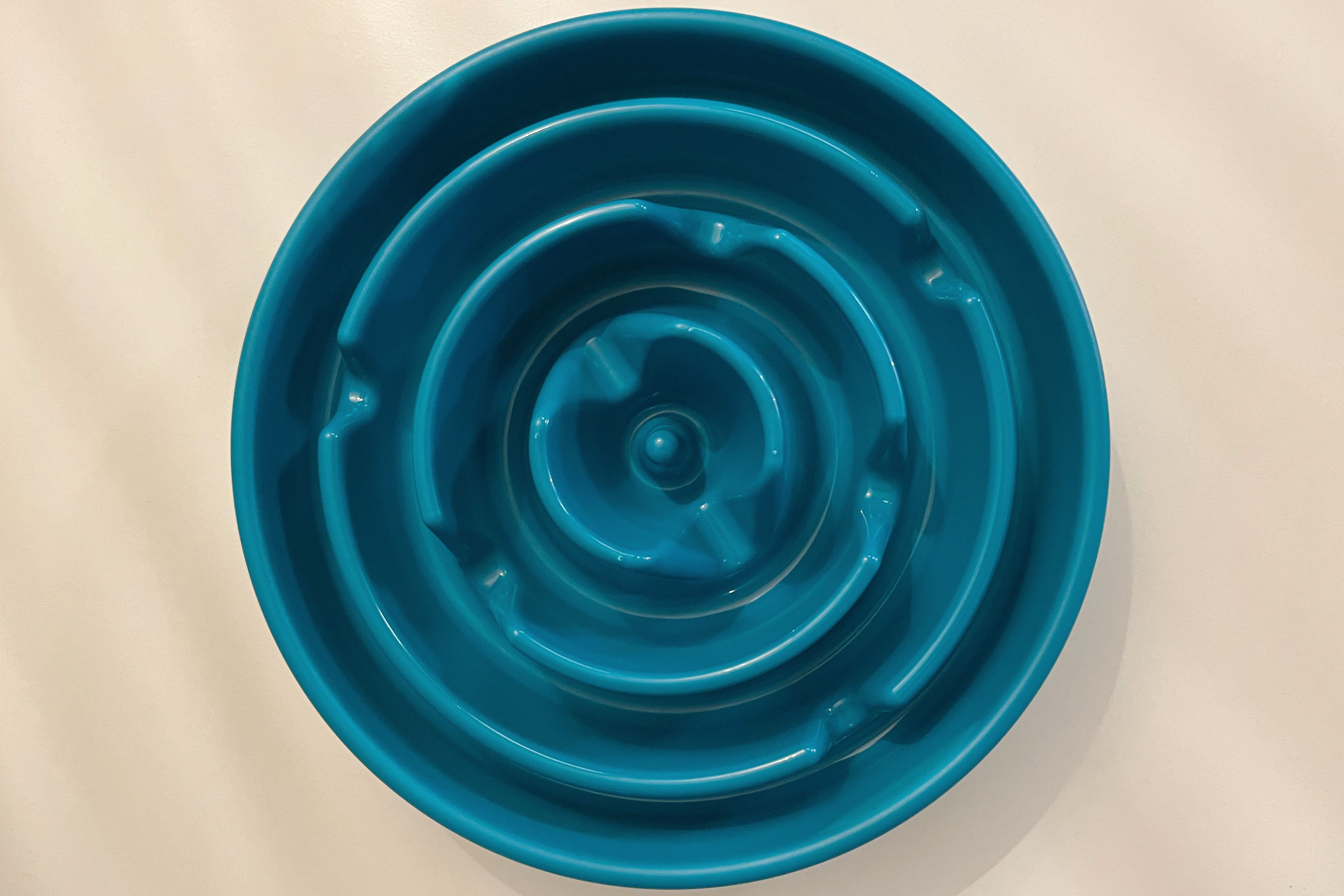
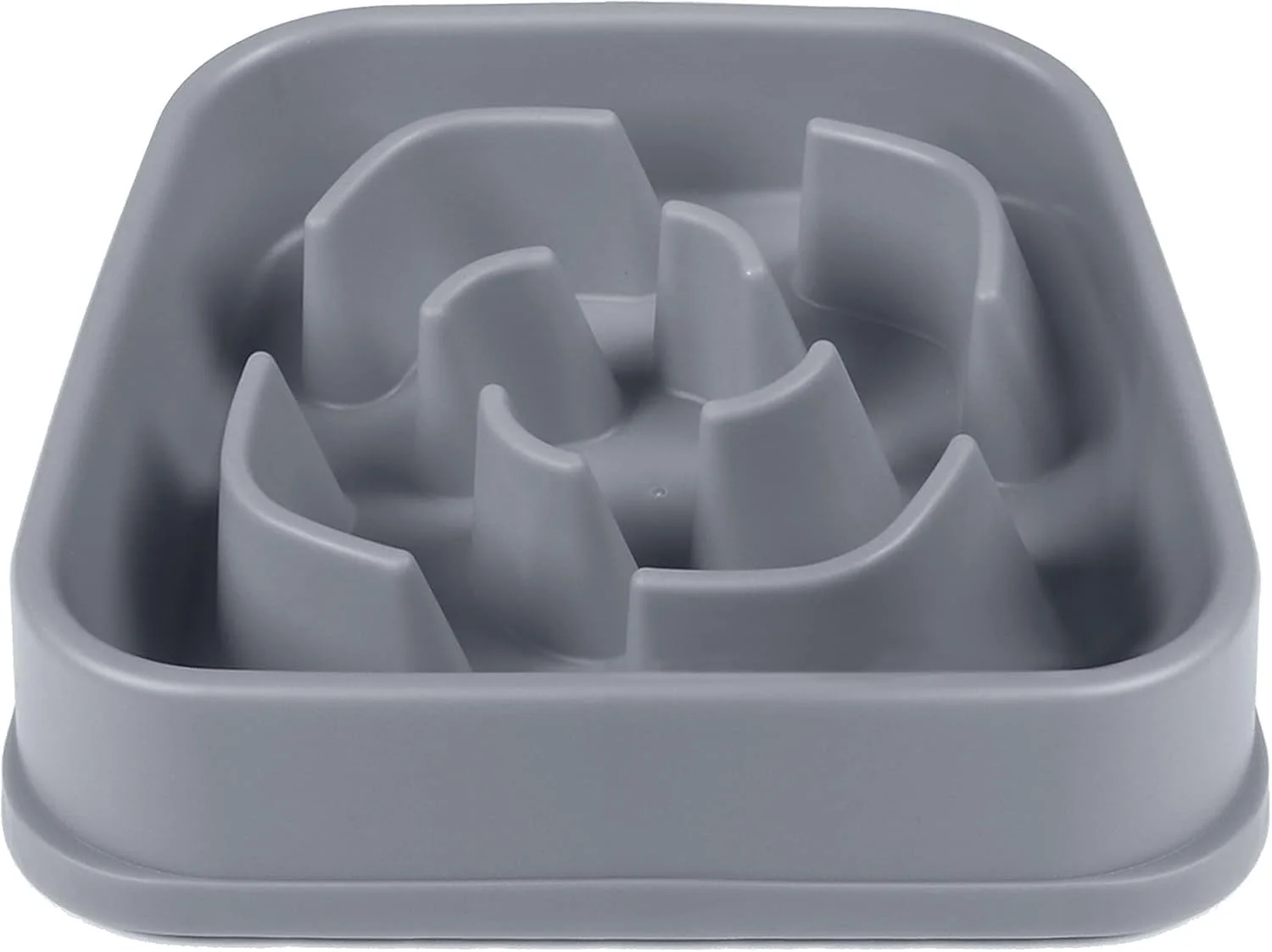
Slow feeder bowls
Slow feeders are a great first purchase because they are simple: same food, same place, but the bowl forces smaller bites.
What to look for
- Stable base: A non-slip ring or weight so it does not become a hockey puck.
- Appropriate depth: Shallow patterns for flat-faced breeds, deeper mazes for determined vacuum pups.
- Easy cleaning: Dishwasher-safe helps. Tiny crevices can get gross fast.
- Food fit: If you feed wet food or soaked kibble, choose a design that is not impossible to scrub.
Styles and who they suit
- Maze or spiral bowls: Best for serious gulpers. These usually add the most time.
- Bumps or ridges: Good for moderate fast eaters or very small puppies learning the concept.
- Insert slow feeders: These sit inside a bowl you already own. Handy if your puppy flips lightweight bowls.
Notes from fostering
- If your puppy is the type to chew plastic, pick a sturdier material and supervise the first several meals.
- If the slow feeder frustrates them so much they give up, start with an easier pattern and build up.
- Some puppies do better when you scatter the meal across two slow feeders so they cannot “solve” one pattern and return to gulping.
Puzzle feeders and food toys
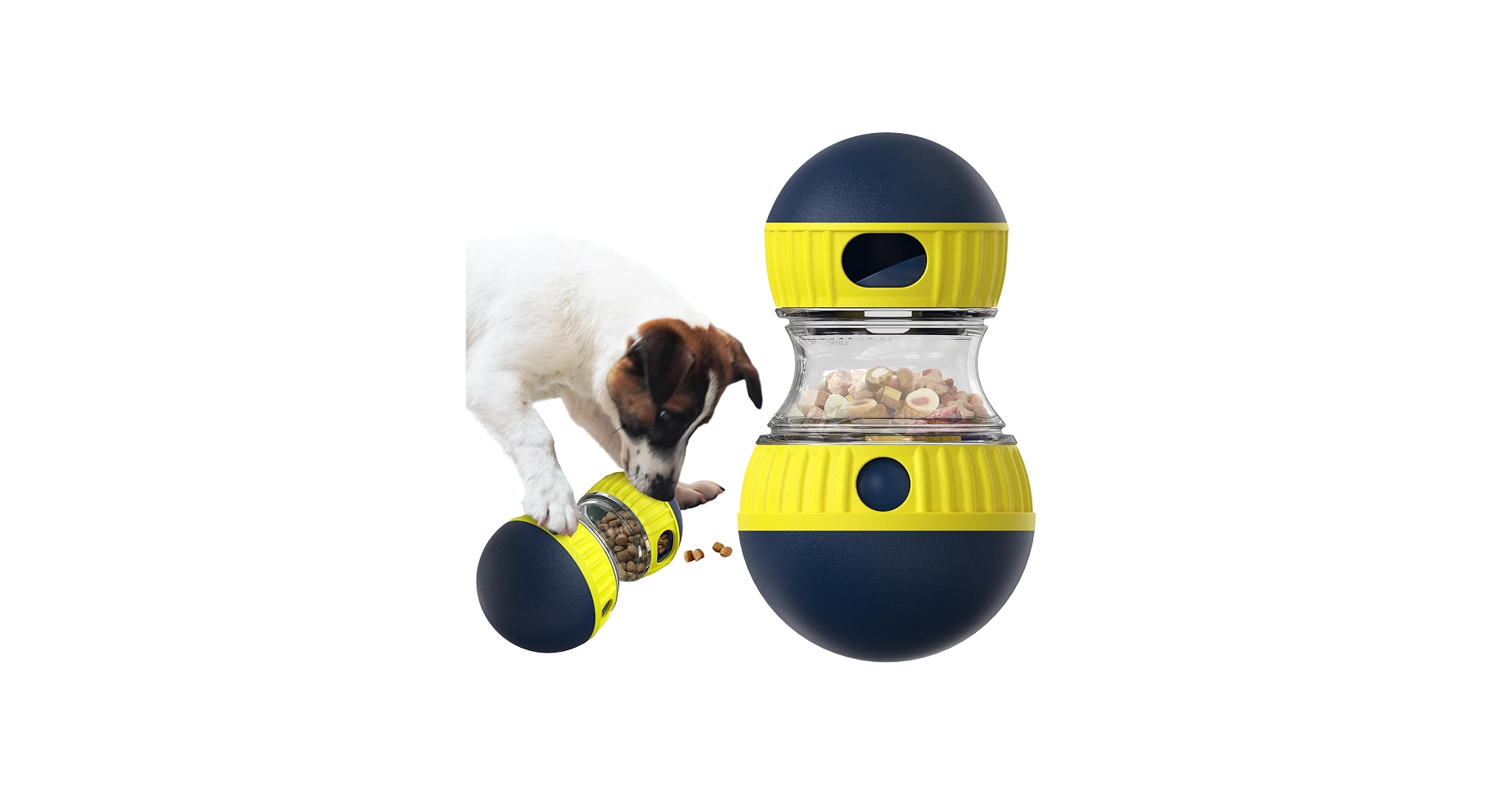
If slow feeders are the training wheels, puzzle feeders are the bicycle. They slow eating and give your puppy’s brain something to do, which is a two-for-one deal if you live with a busy little land shark.
Easy options for beginners
- Rolling treat ball: Kibble falls out as your puppy nudges it around. Great for energetic pups, but use in an easy-to-clean area.
- Wobble feeder: A weighted toy that tips and dispenses kibble. Usually slows eating more than a regular ball.
- Simple sliding puzzle board: Good for puppies who get frustrated. Start with lids partly open so they win quickly.
Better for wet food or mixed meals
- Stuffable rubber toy: Fill with canned food or soaked kibble, then freeze. It becomes a slow, soothing project.
- Lick mat: Spread a thin layer of wet food. Licking is naturally calming and slows intake.
Safety note: With any dispenser, choose a size your puppy cannot fit fully into their mouth. Supervise until you are sure they are licking and nudging, not shredding and swallowing pieces. Also keep an eye on calories: stuffables packed with peanut butter, cheese, or other rich add-ins can get dense fast. And yes, double-check ingredients for xylitol (also called birch sugar), which is dangerous for dogs.
Snuffle mats
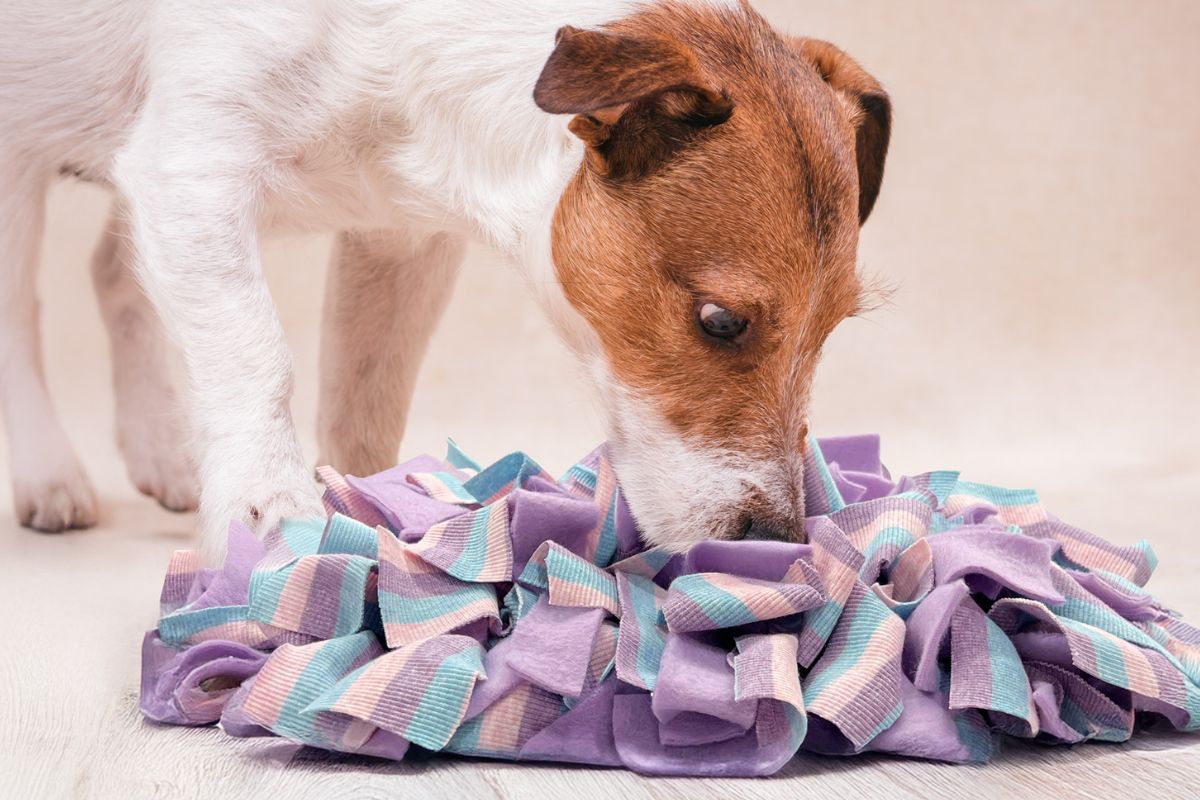
A snuffle mat is basically a “find it” game built into a rug. You tuck kibble into fabric strips and your puppy sniffs it out. For many gulpers, sniffing slows them down immediately because their nose takes over.
Tips to keep it fun and safe
- Start easy: Sprinkle some kibble on top before you hide pieces deeper.
- Watch for fabric chewers: If your puppy starts pulling strips, pause and switch to a different feeder.
- Use on non-slip flooring: Or place the mat on a rubber-backed rug so it does not slide.
- Wash regularly: Snuffle mats hold crumbs, drool, and mystery smells.
No-cost pacing tricks
Hand-feed part of the meal
This is my favorite for brand-new rescues. Feed 10 to 20 pieces of kibble by hand, one at a time, while your puppy sits or stands calmly. It slows eating and also builds trust fast.
Scatter feeding
Toss kibble across a clean floor or in the yard (if it is safe and not full of distractions). Your puppy has to move, sniff, and find each piece. It is slower by design.
Quick safety add-on: If you scatter feed outdoors, skip areas that might have slug bait, rodent bait, toxic plants, mushrooms, or heavy foot traffic from other dogs. In multi-dog homes, scatter feeding usually turns into a speed contest unless dogs are separated.
Use a muffin tin
Drop kibble into a muffin tin and, if needed, place a few puppy-safe balls or toys on top. Your puppy works around them to get to the food. It is not fancy, but it works for a lot of households.
Add a pause mid-meal
If your puppy is blasting through food even in a slow feeder, try offering the meal in two mini rounds. Give half, wait a minute, then offer the rest. That short break can reduce gulping and swallowed air.
Pick what fits your puppy
If you are standing in your kitchen holding a bag of kibble and wondering where to start, here’s a simple match-up:
- “My puppy coughs or gags mid-meal”: Start with a slow feeder bowl plus smaller, more frequent meals. Call your vet if coughing persists.
- “My puppy eats fast and then pukes”: Use a slow feeder, split meals, and keep them calm for a short period after eating. If it keeps happening, talk to your vet.
- “My puppy gets frustrated easily”: Try a gentle ridged slow feeder or a lick mat rather than a complex puzzle.
- “My puppy is smart and chaotic”: Rotate between a wobble feeder, snuffle mat, and a stuffable frozen toy.
- “My puppy chews everything”: Avoid fabric and flimsy plastic at first. Use a sturdy slow feeder and supervised, heavy-duty rubber toys.
- “I have more than one dog”: Feed separately (different rooms or crates). It lowers competition, stress, and resource guarding, and it is the easiest win you will ever get.
Common mistakes
- Making meals a hype event: Excited baby talk, bouncing bowls, and rushing can amp up frantic eating.
- Switching tools daily: Give a new feeder a few days so your puppy can learn it and settle.
- Only feeding from puzzles: Puzzles are great, but some puppies do best with a mix of slow bowl, training kibble, and puzzles.
- Letting other pets hover: Even a friendly dog watching can trigger “eat faster” mode. Separate feeding spots help.
- Ignoring calorie math: If you use kibble in toys all day and also feed full meals, you can accidentally overfeed.
After-meal habits
Even when you slow the eating, the post-meal routine matters.
- Keep activity low for a calm stretch: A short calm period after meals helps many dogs. For some households that is 20 to 30 minutes. For higher-risk deep-chested breeds, ask your vet what cooldown makes sense.
- Fresh water is fine: But if your puppy chugs water right after eating, offer smaller amounts more often.
- Watch the treats: Big training sessions with rich treats can add to tummy upset, especially in younger puppies.
FAQ
Can I add water to kibble to slow my puppy down?
You can, and some puppies do slow down with softened food, but others swallow it even faster. If you try it, use warm water, let it soak briefly, and pair it with a slow feeder or lick mat so it is not just “kibble smoothie, chugged in five seconds.”
Should I lift the bowl higher?
For most puppies who gulp, raising the bowl does not reliably solve the speed problem and can make it easier for some dogs to shovel food. A slow feeder or puzzle approach is usually more effective. If you are considering an elevated feeder for comfort or orthopedic reasons, your vet can help you choose what is appropriate.
My puppy growls if I come near the bowl. What now?
Do not take the bowl away to “show who’s boss.” That often makes guarding worse. Feed in a quiet area, prevent kids from approaching during meals, and work on trust-building: occasionally toss a high-value treat from a distance, then walk away. If guarding is intense or escalating, get help from a qualified trainer.
How long until my puppy stops inhaling food?
Many puppies improve within a couple of weeks with consistent slow-feeding and calmer routines, but some take longer. Some will always eat enthusiastically, but the goal is safe, steady eating without coughing, vomiting, or panic.
Plan for tonight
- Split the next meal in half and feed it in two rounds.
- Use a slow feeder or scatter feed on a clean floor.
- Keep the room calm and give your puppy space to eat without an audience.
- Do a calm cool-down afterward instead of rough play.
If you try those four steps consistently, most “human vacuum” puppies turn into normal, polite eaters faster than you would expect. And your rugs will thank you.