If you are feeling a little grossed out by the words worms, fleas, and ticks, you are not alone. The good news is that parasite prevention is one of those “small, boring routines” that pays off in a huge way. The tricky part is that puppies are growing fast, doses change by weight, and not every product is safe at every age.
This guide walks you through a practical first-year timeline for deworming (internal parasites) and flea and tick prevention (external parasites), plus the questions I ask at every foster puppy’s first vet visit so I can stop guessing and start relaxing.

First, the basics
Deworming is not flea and tick prevention
- Dewormers treat internal parasites like roundworms and hookworms. Many puppies need multiple doses because worms have life cycles and reinfection is common.
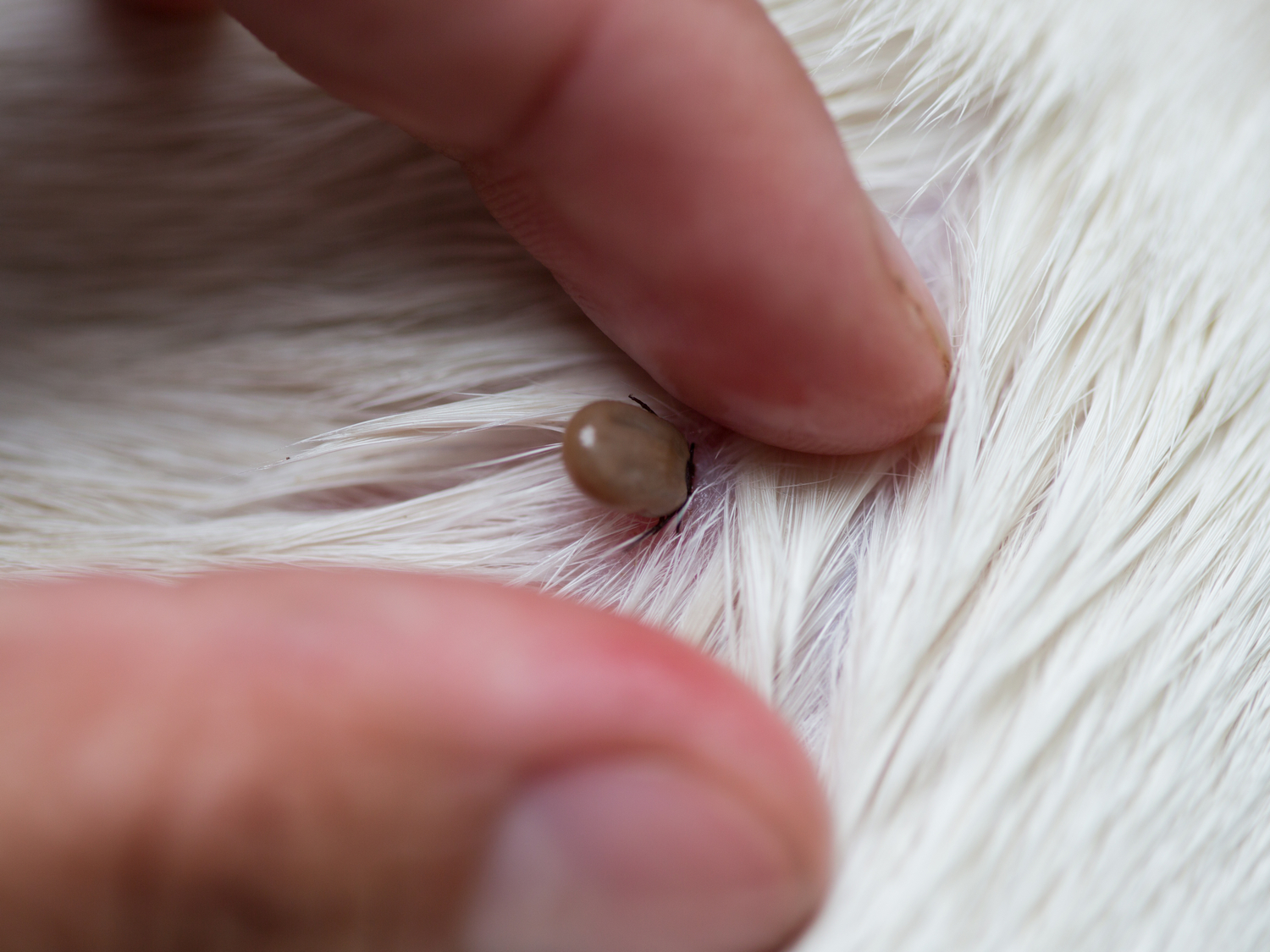
- Flea and tick preventives help kill or repel biting parasites that live on the skin. These can cause itching, anemia in tiny pups, and disease transmission.
Why puppies are different
Puppies are more vulnerable than adult dogs because they are smaller, their immune systems are still learning the ropes, and they put everything in their mouths. They also gain weight quickly, which matters because most preventives are dosed by weight range. A good safety rule is: use products labeled for your puppy’s current age and weight, not the weight you think they will be next month.
The first-year timeline
Think of this as a “what usually happens” roadmap. Your veterinarian may adjust it based on your puppy’s stool test results, local parasite risk, and your puppy’s lifestyle (city apartment pup vs. hiking buddy who thinks deer trails are perfume counters).
Birth to 2 weeks
- What’s common: Some roundworms (especially Toxocara canis) can pass from mom to pups before birth and can also be passed through nursing.
- What you do: Breeders and rescues often manage mom’s deworming and overall health. If you are caring for a litter, talk with a vet about a litter protocol.
2 to 8 weeks
- A common deworming protocol: Many puppies are dewormed every 2 weeks starting around 2 weeks of age through about 8 weeks (often at 2, 4, 6, and 8 weeks). Some vets continue deworming or rechecking through 10 to 12 weeks depending on risk and fecal results.
- Flea and tick: Product choice is age-dependent. Very young puppies often cannot use many standard flea and tick medications yet. Your clinic can tell you what is safe for your puppy’s age and weight.
If you adopted from a rescue, ask what dates and products were used. I keep this in my phone notes because it is unbelievably easy to forget in the blur of new-puppy life.
8 to 12 weeks
- Stool test time: This is when many vets run a fecal exam to check for intestinal parasites, including giardia and coccidia, which are common in puppies.
- Start a consistent plan: Many puppies can begin monthly flea and tick prevention around this stage, depending on the product’s label requirements. Some products start as early as 6 to 8 weeks with minimum weights, so always follow the label and your vet’s guidance.
- More deworming may be needed: Even if your puppy was dewormed earlier, a positive stool test can mean a different medication, additional doses, or a recheck test.
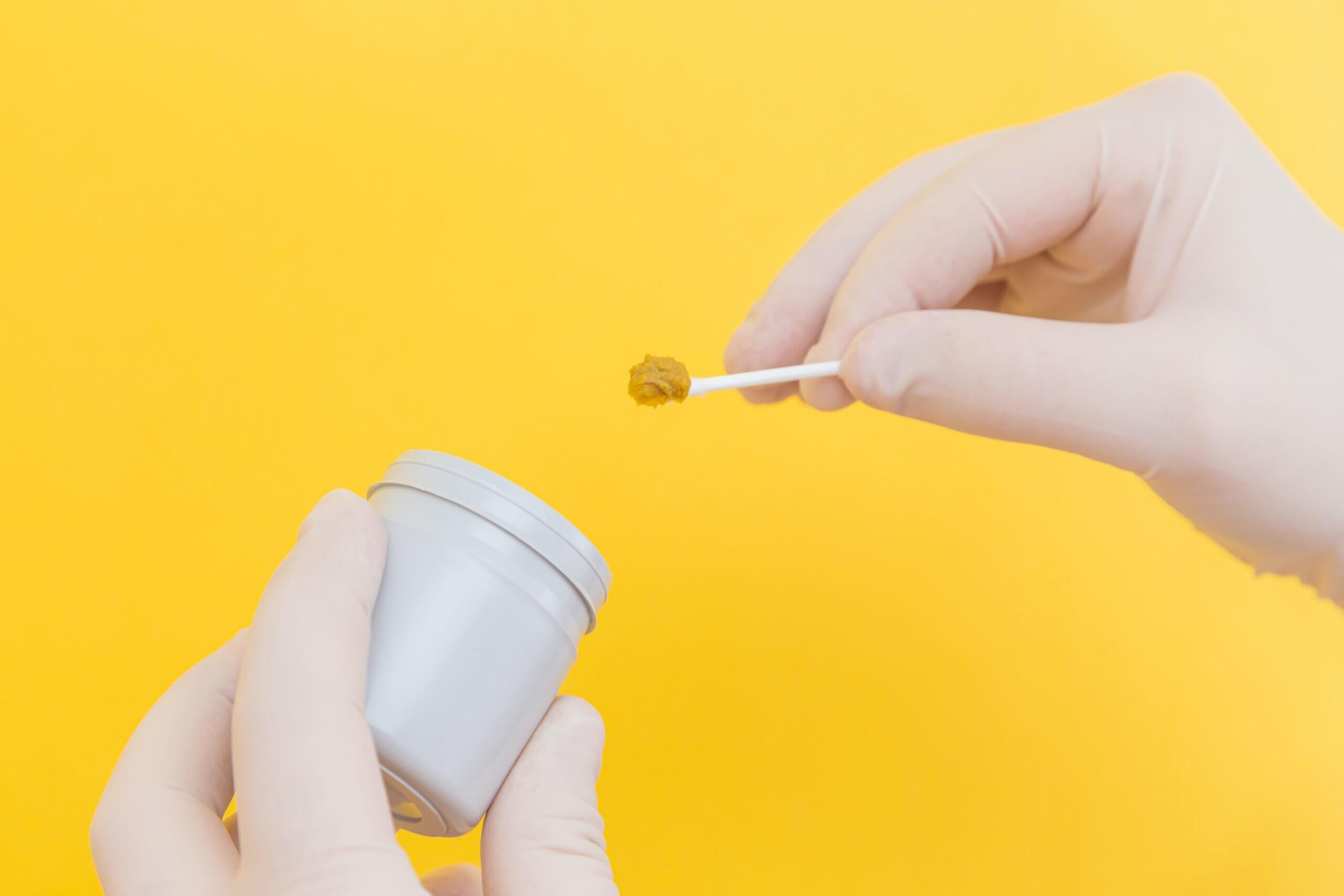
Quick practical tip: ask your clinic how they want fecal samples handled. Many prefer a fresh sample from the same day. Some allow refrigeration for a short window if you cannot come in immediately.
12 to 16 weeks
- Retesting can matter: If your puppy had diarrhea, a known exposure, or a previous positive fecal test, your vet may recommend rechecks.
- Monthly flea and tick prevention: If your puppy is on a monthly preventive, this is when you build the habit. Set reminders. Future-you will be grateful.
4 to 6 months
- Weight changes: Many puppies outgrow their dose band quickly. Re-check the weight range on the box before every dose.
- Seasonal spikes: In many areas, fleas and ticks surge in warm months. Even indoor-leaning puppies can get exposed through people, other pets, and wildlife near home.
- Heartworm prevention: In many regions, pups start heartworm prevention in the first few months of life. Since heartworm is spread by mosquitoes, local risk matters a lot. Many heartworm preventives also cover some intestinal worms, but they do not cover everything, so you still want a fecal-based plan.
6 to 12 months
- Routine fecal checks: Many clinics recommend periodic stool testing, especially for dogs who visit parks, daycare, grooming, or shared yards.
- Year-round vs. seasonal prevention: Your vet may recommend year-round flea and tick prevention depending on climate and exposure risk.
- Lock in the adult plan: By the end of the first year, your puppy’s prevention routine should feel like brushing your teeth. Not exciting, but you miss it when you skip it.
Deworming: what it treats
Common intestinal parasites
- Roundworms: Extremely common in puppies. Sometimes visible in stool or vomit, sometimes not.
- Hookworms: Can cause anemia and diarrhea, especially in small pups.
- Whipworms: Often show up more in older puppies and adults, but risk depends on region and exposure. They can cause chronic diarrhea.
- Tapeworms: Often linked to swallowing fleas. You might see rice-like segments around the rear end or in stool.
- Giardia and coccidia: Microscopic protozoan parasites that can cause soft stool or diarrhea, especially in shelter or daycare environments.
What owners often miss
Not all “dewormers” cover all parasites. A medication that handles roundworms and hookworms may not treat giardia, coccidia, or tapeworms. That is why vets love stool tests and why the right medication depends on what you are actually dealing with.
Why “one and done” fails
Dewormers typically target specific parasites and stages of the life cycle. That is why puppies often need repeated doses or follow-up testing. If your puppy still has loose stool after treatment, it does not automatically mean the medication “did not work.” It can mean:
- The parasite was different than expected.
- The puppy was reinfected from the environment.
- The gut is still irritated and needs time plus diet support.
- There is a non-parasite cause, like diet change, stress, bacterial imbalance, or an infection.
Poop hygiene counts
I know this is not glamorous, but here is the truth: fast poop pickup is parasite control. Pick up immediately in your yard. Wash hands after cleanup. If your puppy has diarrhea, clean and disinfect indoor accidents properly and ask your vet what cleaners are safe and effective for your situation.
Flea and tick prevention
There are several effective options, and your vet will guide you toward what fits your puppy’s age, weight, medical history, and local risks. The “best” one is the one you can use correctly, on schedule, without side-eyeing the label every month.
Common forms
- Oral chewables: Convenient and not affected by baths, but must be dosed correctly by weight and used as directed.
- Topical spot-ons: Applied to the skin, usually between the shoulders. Can be very effective, but you need to prevent kids and other pets from touching the application site until dry.
- Flea and tick collars: Some are effective long-term options. Fit and safety matter, especially for puppies who play rough or mouth everything.
- Shampoos and sprays: Helpful in some situations but usually not a complete prevention plan on their own.
Age and weight beat brand debates
Most problems I see in real life come from one of these mistakes:
- Using a product labeled for adult dogs on a tiny puppy.
- Guessing the puppy’s weight range rather than weighing them.
- Double-dosing because fleas were still visible (often because the environment was not treated too).
- Combining products without veterinary guidance.
Do you need to treat the home too?
If you see fleas, assume there are more hiding in the environment. Fleas lay eggs that drop into carpets, cracks in floors, bedding, and yard areas where pets rest. In foster homes, my practical routine looks like this:
- Wash bedding on hot and dry thoroughly.
- Vacuum floors and soft furniture often for a couple of weeks, then empty the canister outside.
- Treat all pets in the household using vet-recommended products. Fleas love a “one untreated pet” loophole.
- Talk to your vet before using any home or yard chemicals, especially if you have a very young puppy.
One sanity-saving note: even with great prevention, a flea problem can take a few weeks to fully settle down because you are breaking a life cycle, not just killing what you see today.
What to ask your vet
If you only take one thing from this article, let it be this: walk into the vet visit with a short list of questions. You do not need to memorize medication names. You just need clarity.
- Which parasites are most common where we live, and which preventives cover them?
- Are tick-borne diseases a big risk here (Lyme, anaplasma, ehrlichia), and does that change what you recommend?
- Can we do a fecal test today, and when should we repeat it?
- What flea and tick product is safest for my puppy’s age and current weight?
- Do you recommend year-round prevention here, or seasonal?
- Do you recommend heartworm prevention here, and when do you test?
- What side effects should I watch for, and what would count as an emergency?
- My puppy has kids, cats, or other dogs in the home. Does that change what we should use?
Safety rules I use
1) Do not stack products
It can be tempting to throw everything at the problem, especially when you spot a tick or your puppy starts scratching at midnight. But combining products can increase the risk of side effects. If your puppy is already on a preventive and you still see parasites, call your vet before adding anything new.
2) Dose for today’s weight
Weigh your puppy on dosing day. You can do it at home by weighing yourself, then weighing yourself holding the puppy, and subtracting. It is not fancy, but it works.
3) Watch the first 24 hours
Most puppies do just fine, but I like to give new preventives on a day when I will be home to observe. Call your vet promptly if you notice vomiting, extreme lethargy, wobbliness, facial swelling, trouble breathing, or anything that feels “not my puppy.” For facial swelling or trouble breathing, contact an emergency vet right away.
4) Store meds like a toddler lives here
Puppies are tiny opportunists with zero self-control. Store chews and topical tubes up high, and do not leave packaging where a pup can shred and ingest it.
A simple checklist
- Bring a stool sample to early puppy visits if your clinic recommends it and follow their storage instructions.
- Follow your vet’s deworming plan and finish the full course even if stools look better.
- Start flea and tick prevention when your puppy meets the product’s age and weight minimums and it makes sense for your region and lifestyle.
- Set monthly reminders and re-check the weight band each time.
- Pick up poop fast and keep puppy areas clean to reduce reinfection.
- Call the vet if diarrhea lasts more than a day, there is blood in stool, your puppy is not eating, or they seem weak or dehydrated.
FAQ
Can I see worms in my puppy’s poop?
Sometimes. Roundworms can look like spaghetti, and tapeworm segments can look like little grains of rice. But many parasites are microscopic, so a normal-looking poop does not guarantee a parasite-free puppy.
My puppy has fleas. Should I bathe them right away?
A bath can help remove fleas, but it is usually not the whole solution, and some flea shampoos are not safe for very young puppies. Call your vet for a puppy-safe plan that covers the puppy and the environment.
How often should I check for ticks?
In tick-heavy areas, I do a quick tick check after outdoor play, hikes, or time in tall grass. Pay attention to ears, around the collar, armpits, between toes, and under the tail.
Do indoor puppies need flea and tick prevention?
Often, yes. Fleas and ticks can hitchhike in on people, other pets, or wildlife near your home. Your vet can help you decide whether year-round protection makes sense where you live.
The calm takeaway
Parasite prevention is not about perfection. It is about getting on a steady, vet-approved routine early, then keeping it simple: test when appropriate, dose by current weight, stay consistent, and clean up promptly. Do that, and you are already ahead of most of the chaos that worms, fleas, and ticks try to bring to puppyhood.