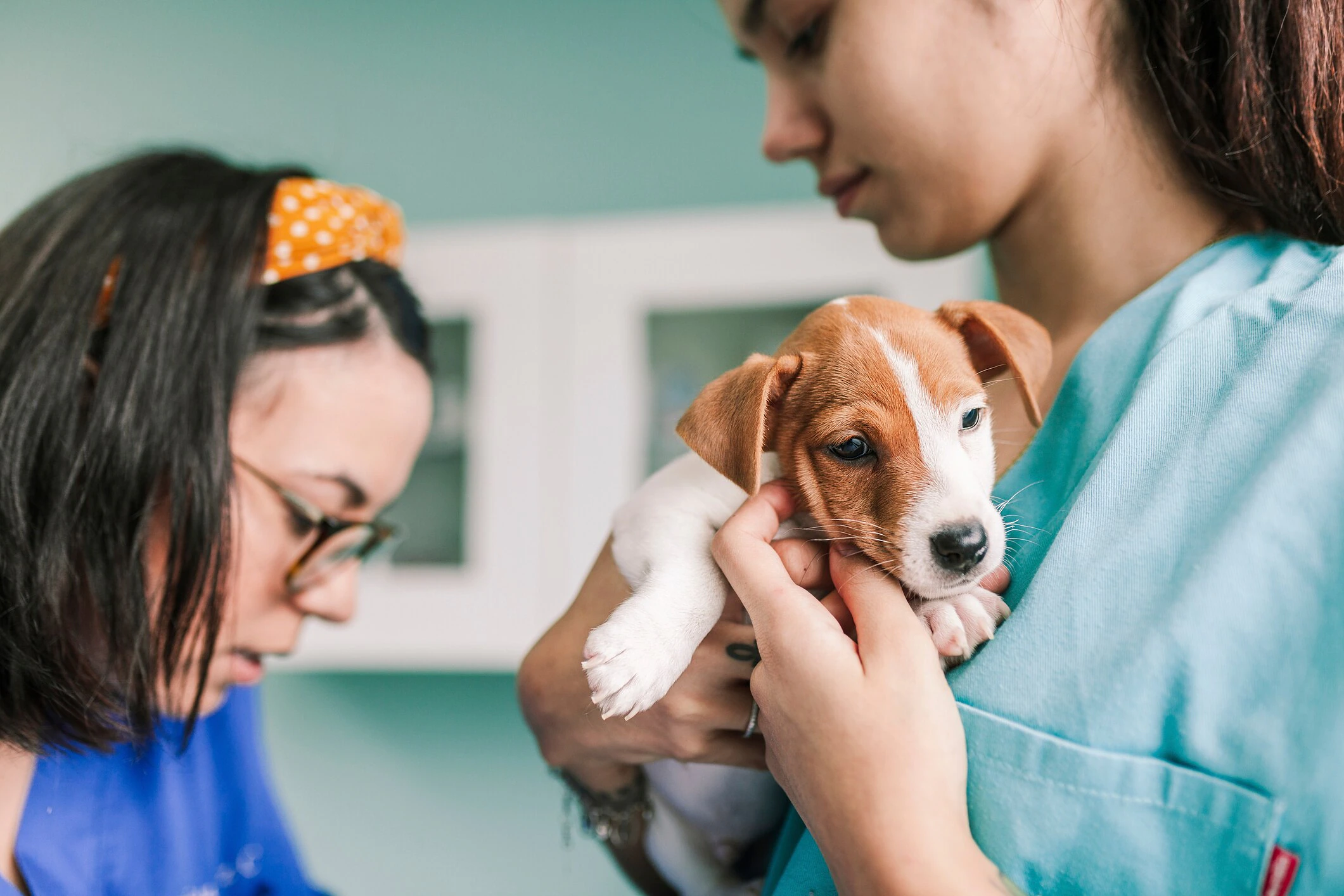
Bringing home a puppy comes with a million tiny decisions and roughly a million opinions from the internet. Vaccines are one of the few places where having a simple plan truly lowers your stress. The goal is not to make your puppy “tough.” The goal is to protect them during that vulnerable first year, when their immune system is still learning the ropes and the world is full of germs they have never met.
Below is a practical, vet-aligned vaccination roadmap you can use to understand what your puppy is getting, why it matters, and when most clinics give each dose. Your veterinarian may tweak the timeline based on your puppy’s age at adoption, local disease risk, and lifestyle, and that is completely normal.

Core vs. non-core vaccines
Core vaccines are the ones most puppies need because they protect against widespread, serious diseases and are recommended for nearly all dogs.
Non-core vaccines are not “extra” in a silly way. They are situational. They are chosen based on your puppy’s risk, like where you live, whether you use daycare, and if your dog hikes, swims, or meets lots of unfamiliar dogs.
Core vaccines
- DA2PP (or DHPP): distemper, adenovirus (hepatitis), parvovirus, and parainfluenza
- Rabies: required by law in many places
Common non-core vaccines
- Leptospirosis (Lepto)
- Bordetella (kennel cough, often paired with other respiratory coverage depending on clinic)
- Canine influenza (dog flu)
- Lyme (in tick-heavy regions)
- Rattlesnake vaccine (region and vet preference dependent, with mixed evidence and not universally recommended)
Typical first-year schedule
Puppy vaccines are usually given as a series because your puppy still has some protection from mom early on (maternal antibodies). Those antibodies are helpful, but they can also block vaccines from “taking.” That is why vets repeat core vaccines every 3 to 4 weeks during puppyhood, then finish with a final dose at an age when protection is more reliable.
Non-core timing varies by product and risk. The optional items listed below are common starting points, but your vet may move them earlier or later based on labels, local outbreaks, and facility requirements.
6 to 8 weeks
- DA2PP/DHPP #1
- Optional by risk (product-dependent): Bordetella (some products can be given this early, especially if your puppy will be around unfamiliar dogs soon)
9 to 12 weeks
- DA2PP/DHPP #2
- Optional by risk: Leptospirosis #1 (often started around 8 to 9+ weeks depending on product), Bordetella (if not already given), Lyme #1 (region dependent), canine influenza #1 (if your area has cases or facilities require it)
12 to 16 weeks
- DA2PP/DHPP #3 (timing varies by when the series started)
- Rabies (commonly given around 12 to 16 weeks, per local law and clinic practice)
- Optional by risk: Leptospirosis #2 (booster), Lyme #2 (booster), canine influenza #2 (booster)
16 to 20 weeks (sometimes)
Some puppies need an additional DA2PP/DHPP dose if their earlier doses were started very young or spaced out, or if the vet wants the final parvo and distemper containing vaccine at or after 16 weeks for best protection.
One year (12 to 15 months)
- DA2PP/DHPP booster
- Rabies booster (a 1-year booster after the first rabies vaccine is common, then every 1 or 3 years depending on product and local regulations)
- Non-core boosters if your dog remains at risk (many are annual, though some facilities set 6 to 12 month requirements for respiratory vaccines)
| Age | Most common vaccines | Notes |
|---|---|---|
| 6 to 8 weeks | DA2PP/DHPP #1 | Often first dose from breeder, shelter, or rescue |
| 9 to 12 weeks | DA2PP/DHPP #2 | Non-core vaccines may start here based on lifestyle and product label |
| 12 to 16 weeks | DA2PP/DHPP #3, Rabies | Many clinics aim to finish core series in this window |
| 16+ weeks | Possible additional DA2PP/DHPP | Common if started early or there is high parvo risk |
| 12 to 15 months | Core boosters, possible non-core boosters | Sets your dog up for the adult schedule |
What core vaccines cover
DA2PP/DHPP
If there is one vaccine series I never want a puppy to miss, it is this one. It covers several diseases that can be severe, expensive to treat, and in the case of parvo and distemper, still seen regularly in unvaccinated puppies.
- Parvovirus: attacks the gut (and sometimes heart in very young pups). Causes severe vomiting, diarrhea, dehydration, and can be fatal.
- Distemper: affects respiratory, gastrointestinal, and nervous systems. Can cause lasting neurologic problems or death.
- Adenovirus: can cause infectious hepatitis and serious liver issues.
- Parainfluenza: one of the contributors to kennel cough type respiratory illness.
Rabies
Rabies is nearly always fatal once symptoms appear and can infect people. This is why it is required by law in many areas. Even indoor dogs still need rabies vaccination because “indoor” does not stop a bat from having bad judgment.
Non-core vaccines
Non-core does not mean unnecessary. It means your puppy may not need it if their world is small and low-risk. Here are the most common ones and how to think about them.
Leptospirosis (Lepto)
Lepto is a bacterial disease spread through urine from wildlife and infected animals, often via puddles, wet soil, and standing water. It can cause kidney and liver damage and it can be transmitted to humans.
- Consider it if: you have raccoons, rodents, coyotes, deer, or lots of wildlife around; your puppy drinks from puddles (so, most puppies); you hike or spend time near water.
- Typical schedule: two-shot initial series, then boosters as recommended (often yearly for ongoing risk).
Bordetella
“Kennel cough” is more like “dog daycare cough.” Bordetella is a major cause, but it is not the only one. Vaccination can reduce severity and spread, but it does not guarantee your dog will never cough after exposure.
- Consider it if: daycare, boarding, grooming salons, group classes, dog parks, or any setting with lots of rotating dogs.
- Typical schedule: depends on product (oral, intranasal, injectable) and facility requirements. Some places require it every 6 to 12 months.
Canine influenza
Dog flu outbreaks come and go by region. If your area has cases or your facility requires it, it can be a smart add-on.
- Consider it if: your puppy is in group settings often, travels, or you live in a region with outbreaks.
- Typical schedule: two-shot series initially, then boosters as advised.
Lyme
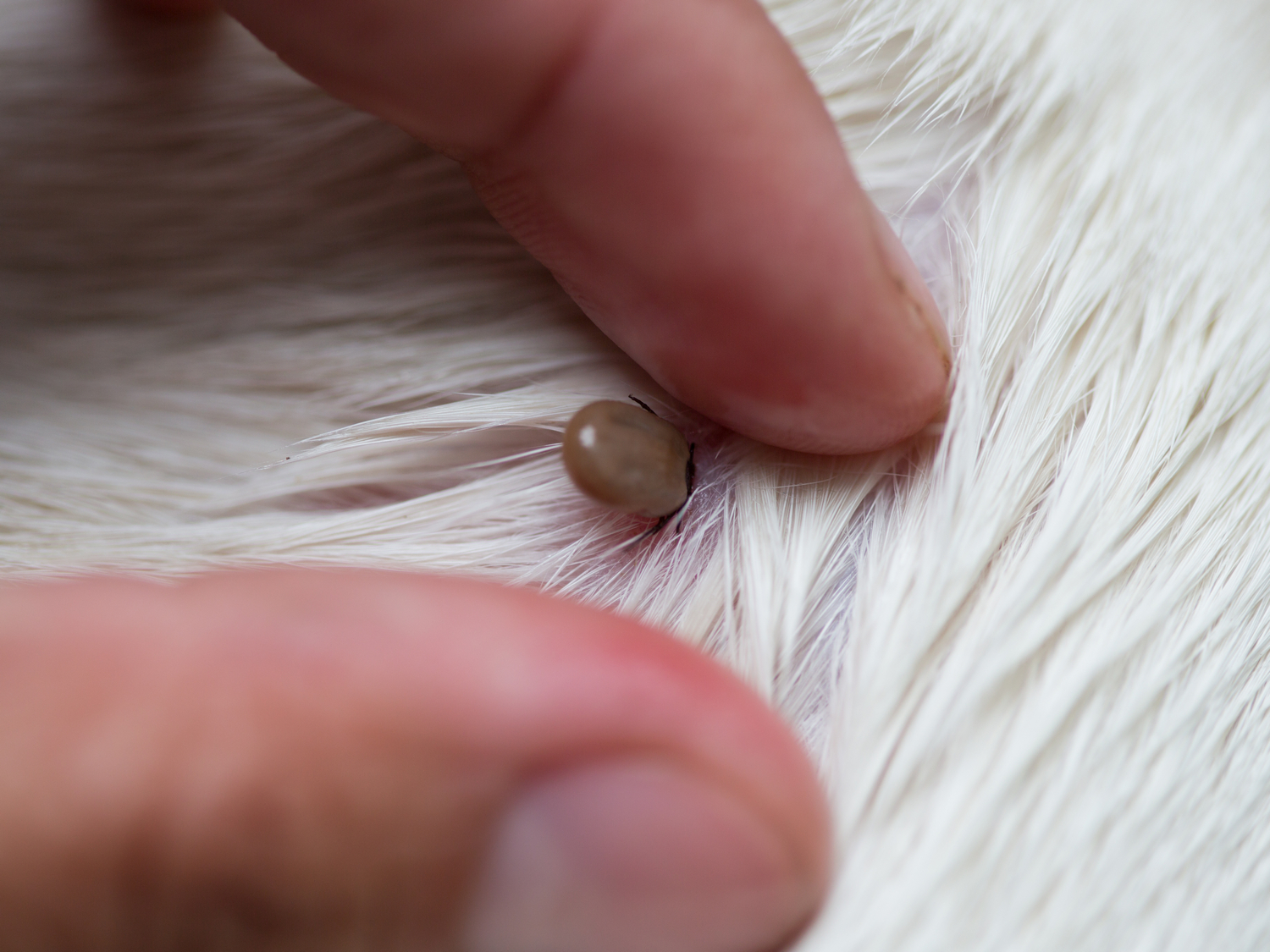
Lyme disease is carried by ticks. Vaccination is one layer of protection, but it does not replace tick prevention and tick checks.
- Consider it if: you live in a tick-heavy area or hike in tall grass or woods frequently.
- Typical schedule: two-shot series initially, then boosters as advised.
Rattlesnake vaccine
This one is controversial and highly location dependent. In some snake-prone areas, some vets recommend it as a supplemental layer of protection, while others do not because efficacy data are mixed and protocols vary.
- Consider it if: your vet specifically recommends it for your exact region and lifestyle.
- Reality check: it does not make snake bites safe. You still go to the emergency vet immediately.
Walks and meeting dogs
This is the part where every new puppy owner wants a simple yes or no, and the honest answer is “it depends on parvo risk where you live.” In general:
- Low-risk outings are usually fine early: carrying your puppy, sitting on a clean blanket at a friend’s house, meeting a healthy vaccinated adult dog you trust, riding in a cart on a clean towel at a pet store that allows it.
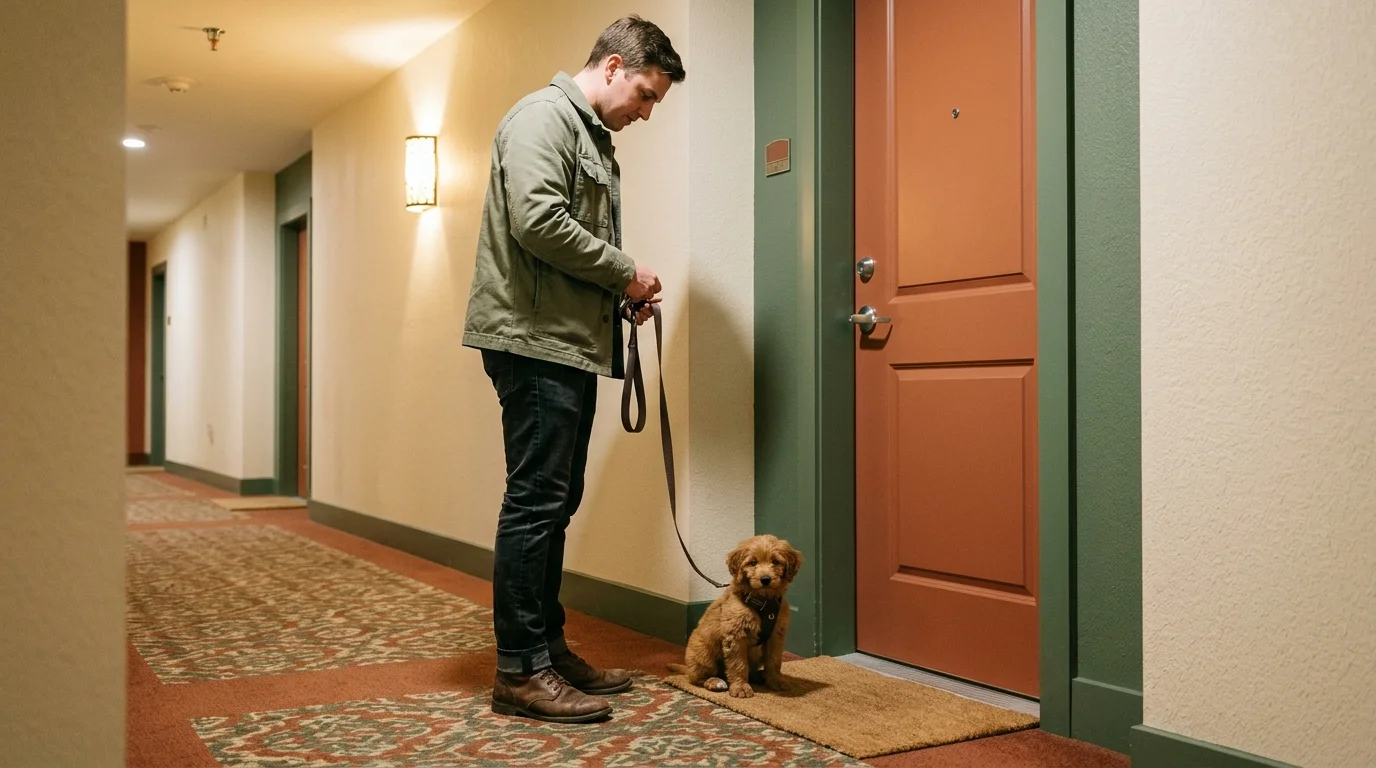
- Higher-risk places are the ones I avoid until the series is complete: dog parks, public grassy potty areas used by lots of unknown dogs, rest stops, and high-traffic apartment pet relief zones.
Ask your vet one very specific question: “In our neighborhood, when do you consider parvo risk low enough for paws on the ground walks?” It cuts through a lot of generic advice.
Why the shots repeat
Puppies are not getting repeated doses just for fun. They are getting them because maternal antibodies fade at different rates. The vaccine series increases the odds that at least one dose lands at the right moment when your puppy’s immune system can respond strongly.
Two timing tips that make a big difference:
- Try not to stretch intervals too far between puppy shots. If life happens, call your vet and ask how to get back on track.
- The final DA2PP/DHPP dose is often most protective when given at or after 16 weeks in many protocols, especially for parvo.
Side effects
Most puppies handle vaccines like champs. Some are a little sleepy or mildly sore, then bounce back by the next day like nothing happened.
Common mild effects
- Sleepiness for 12 to 24 hours
- Lower appetite for a meal or two
- Mild soreness at the injection site
- A small, firm lump where the shot was given (can linger a week or two)
Call your vet right away for
- Facial swelling, hives, intense itchiness
- Repeated vomiting or diarrhea
- Weakness, collapse, pale gums
- Trouble breathing
Severe allergic reactions are uncommon, but they are an emergency when they happen. If your puppy looks “not right” in a way that scares you, trust that instinct and call.
Vaccine day prep
- Bring high-value treats and feed them generously during the exam. Yes, even if your puppy is being dramatic.
- Plan a calm day after if possible. Think sniffy strolls (carried if needed), cuddles, and a good nap.
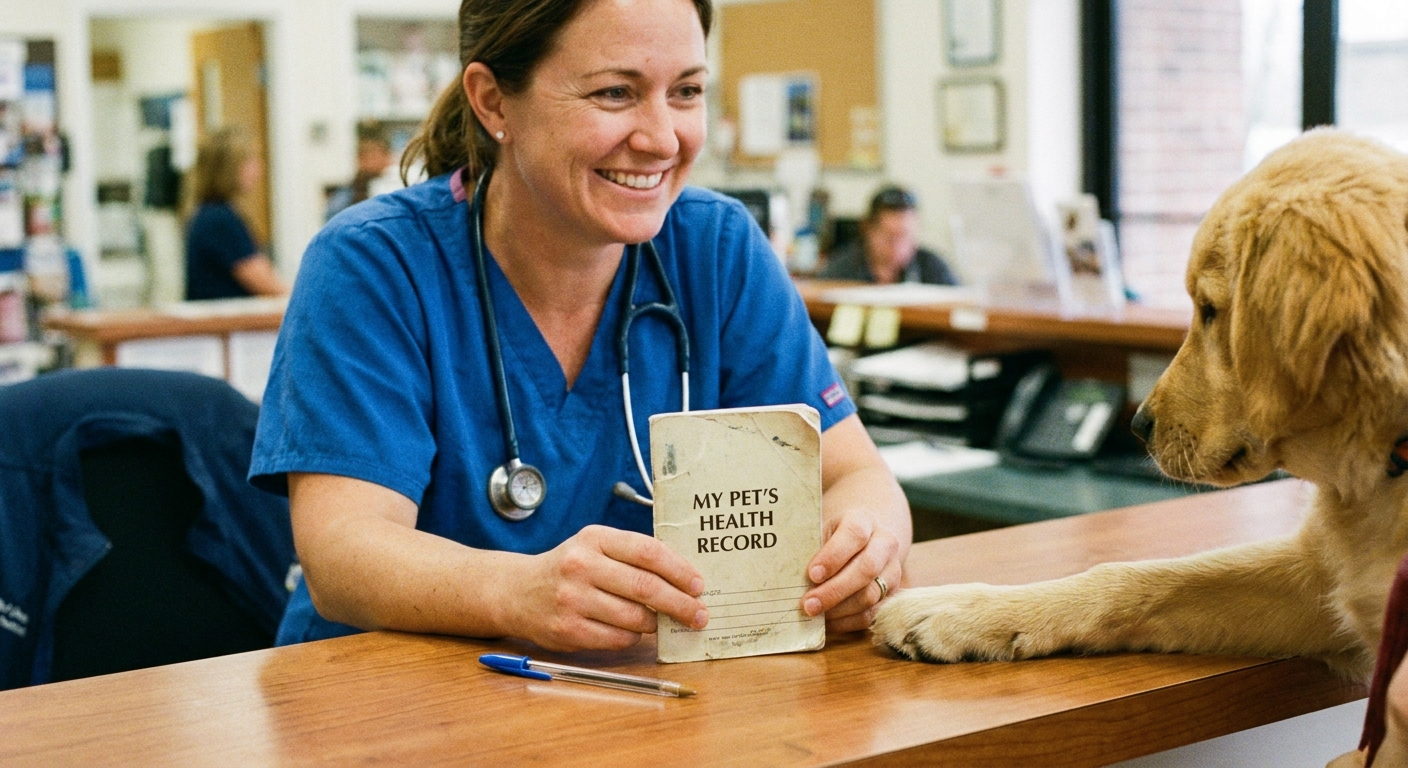
- Bring your records from the breeder, shelter, or rescue. A surprisingly large number of vaccine schedules get messy simply because paperwork goes missing.
- Ask about deworming and fecal tests at the same visit. These are often done alongside vaccines at puppy appointments, but they are separate issues with their own timing and results.
FAQ
My puppy already had shots. Do we start over?
Usually you do not start over, but your vet may repeat a dose if records are unclear or the timing does not line up with recommended intervals. Bring any documentation you have, even a photo of a handwritten record.
Can my puppy get too many vaccines?
Your vet’s job is to give enough vaccines to create reliable immunity without unnecessary extras. When people worry about “too many,” it is often because they are looking at a series and thinking of it like adult boosters. Puppy series are normal, and they are designed around maternal antibody timing.
Do indoor puppies need the full schedule?
Yes for core vaccines. Parvo can hitch a ride indoors on shoes. Rabies is a legal and public health issue. “Indoor” reduces risk, but it does not erase it.
What if I adopt a puppy at 4 or 5 months?
Your vet will build a catch-up schedule. The big idea is the same: complete the core series and rabies, then decide on non-core vaccines based on your puppy’s life.
Can vaccines be spaced out so my puppy gets fewer in one day?
Sometimes, yes. Vets can adjust what is given at each visit, but there are trade-offs. Delaying core protection can leave your puppy vulnerable longer. If you are concerned due to a previous reaction or a very small puppy, ask your veterinarian to walk you through the safest plan.
What happens after the first year?
After the 12 to 15 month boosters, many dogs move to an adult schedule where DA2PP/DHPP is often boosted every 3 years, while many non-core vaccines are boosted yearly if risk continues. Rabies is boosted on a timeline set by product label and local law, commonly every 1 or 3 years.
The takeaway
If you remember nothing else: finish the DA2PP/DHPP series and get rabies on schedule, then choose non-core vaccines based on real-life risk, not guilt. A good vaccine plan lets your puppy explore the world while you worry less, and that is kind of the whole point of having a dog.