You finally exhale. You have had zero accidents for weeks, the “go potty” cue works, and you start trusting your puppy on the rug again. Then one day you step in a puddle like it is week one again.
Potty training regression is painfully common, and it is not a sign you have failed or your puppy is being “spiteful.” In almost every foster home I have had, a previously solid puppy has backslid at least once. The good news is that you can usually fix it quickly once you identify the trigger and tighten the routine for a short reset.
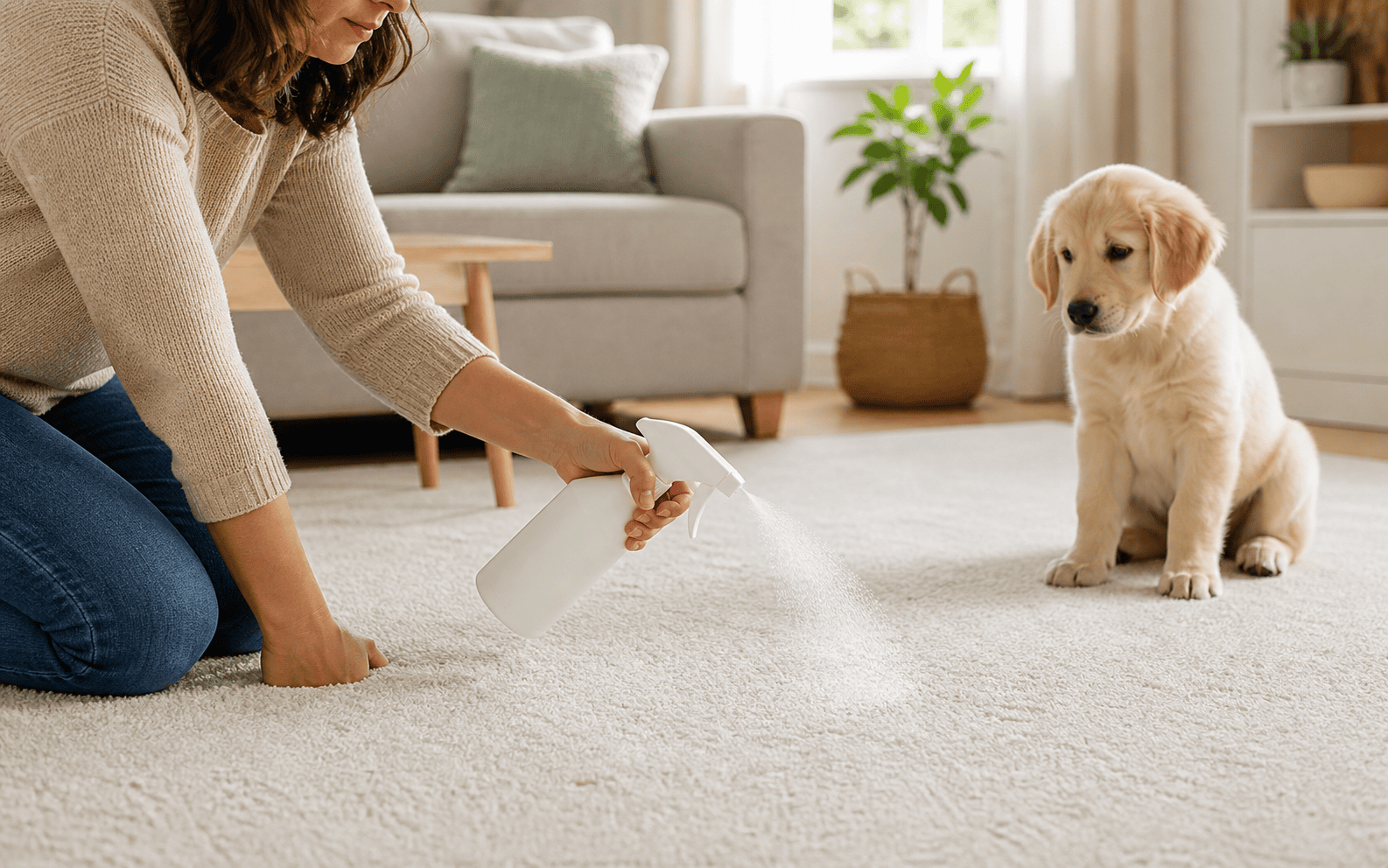
What regression looks like
Regression is any noticeable step backward after a stretch of reliability. It can show up as:
- Random pee accidents even though your puppy used to ask to go out
- Pooping indoors after weeks of going outside
- Accidents that happen right after coming inside
- More frequent marking-style pees (tiny amounts) in new spots
- Accidents during the night again
Most regressions are really one of three things: your puppy’s body changed, the environment changed, or the routine drifted.
Why it happens
1) Adolescence
Many puppies hit adolescence somewhere around 5 to 12 months, but it varies a lot by individual and breed (often earlier for small breeds and later for large breeds). Their brains get distractible, their confidence changes, and their “I know this rule” behavior can wobble.
This is also when some puppies start marking, especially males but not only males. Marking is often quick, small pees, sometimes after sniffing or in new areas. It is not always a house-training “forget,” but it does need management and training. If marking shows up suddenly or ramps up fast, it is also worth considering stress, anxiety, incomplete house training, or a medical issue like a UTI.
2) Too much freedom too fast
Potty training success often leads to bigger privileges: more rooms, longer time between breaks, less supervision. A puppy who is 90 percent reliable can still have a weak link, like the hallway rug or the guest room corner. If they find a spot that “works,” they may repeat it.
3) The schedule changed
Common routine shifts that trigger accidents:
- Later mornings on weekends
- A new job schedule or school starting
- Longer meetings and fewer midday breaks
- Feeding times drifting by an hour or two
- Switching from three meals to two
Puppy digestion runs on rhythm. When the rhythm changes, accidents happen.
4) Stress or life changes
Moving, visitors, travel, boarding, a new baby, fireworks, even a new dog in the neighborhood can throw off bathroom habits. Some puppies pee when overstimulated or a little worried, especially during greetings.
5) Weather and the potty spot
Rain, snow, wind, a scary trash can, or a loud truck near the potty area can create a puppy who rushes outside, pretends to potty, then empties the tank indoors where it feels safer.
6) You may be accidentally reinforcing a pattern
Sometimes we sprint to the door after an accident, and a puppy may learn that indoor peeing makes humans move fast and open doors. This is not malicious, and it is not a guaranteed “cause and effect” in every household, but it is one more reason that prevention and supervision beat reacting.
Another common pattern: a puppy pees outside, gets brought in immediately, and learns that potty ends the fun. So they hold it to stay outside longer.
7) Medical issues
If accidents are sudden, frequent, urgent, or paired with other symptoms, talk to your vet. Puppies can get:
- Urinary tract infections
- Parasites or gastrointestinal upset
- Bladder inflammation
- Side effects from medications
- Increased thirst and urination for other health reasons
Training cannot fix a body problem. If you are seeing a big change, it is responsible to check in.
Training issue or vet visit?
Here are signs you should call your vet sooner rather than later:
- Straining to pee or only producing a few drops
- Blood in urine or very strong odor
- Sudden frequent urination, especially tiny amounts
- Accidents that happen during sleep when that is unusual for your pup
- Excessive thirst
- Vomiting, diarrhea, or lethargy
- Crying, licking genitals more than normal, or discomfort
If your puppy seems otherwise normal and the regression lines up with a routine change, extra freedom, or a stressful week, start the training reset below. If you are unsure, you can do both: schedule a vet check and tighten the routine today.
The reset plan
Think of this like going back to basics for 7 to 14 days. Most puppies bounce back quickly when the humans become predictably boring and consistent again.
Step 1: Remove the chance to be wrong
For the next week, your puppy should be in one of three states:
- Outside on leash in the potty spot
- Actively supervised (eyes on puppy, tethered to you if needed)
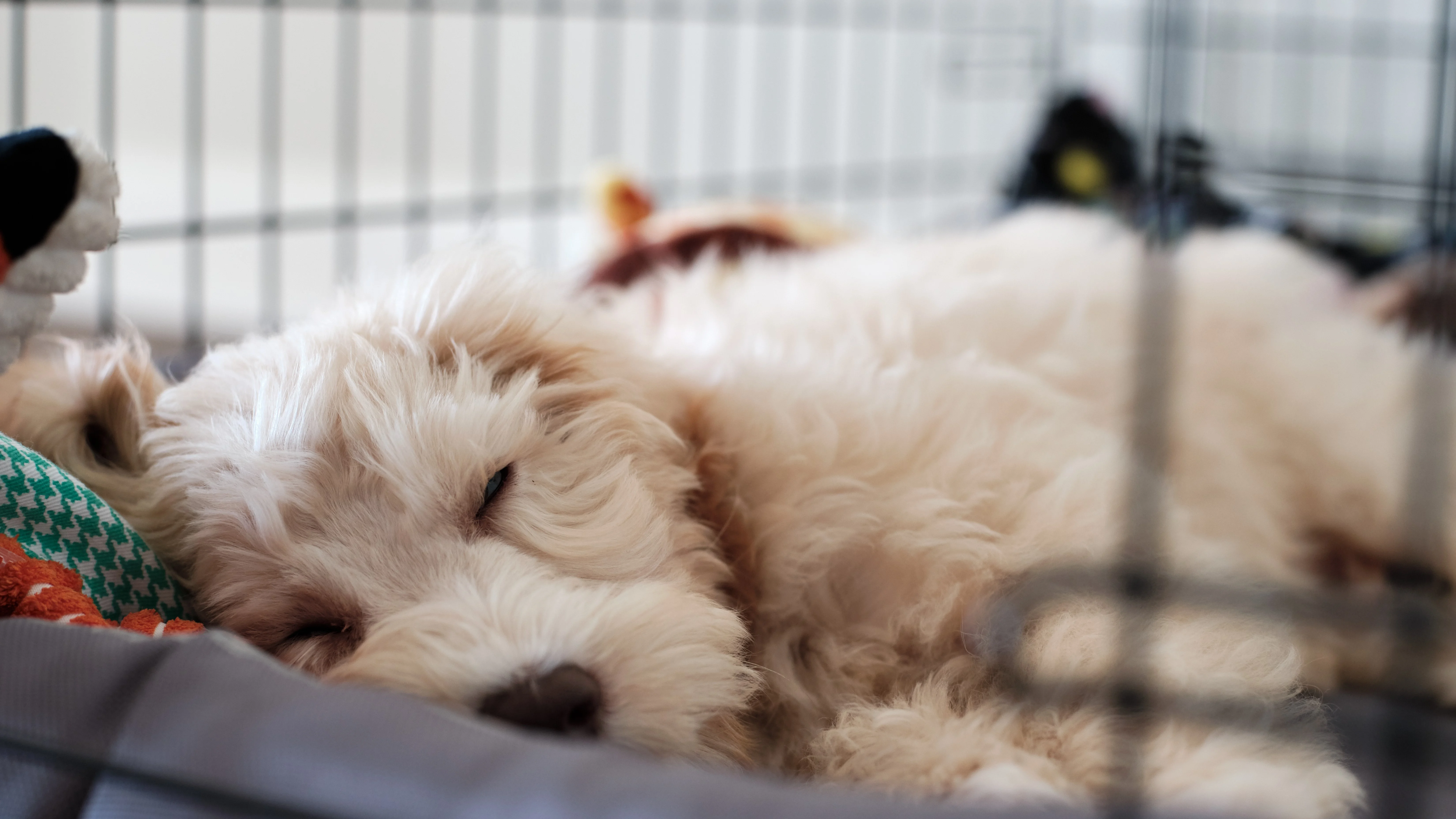
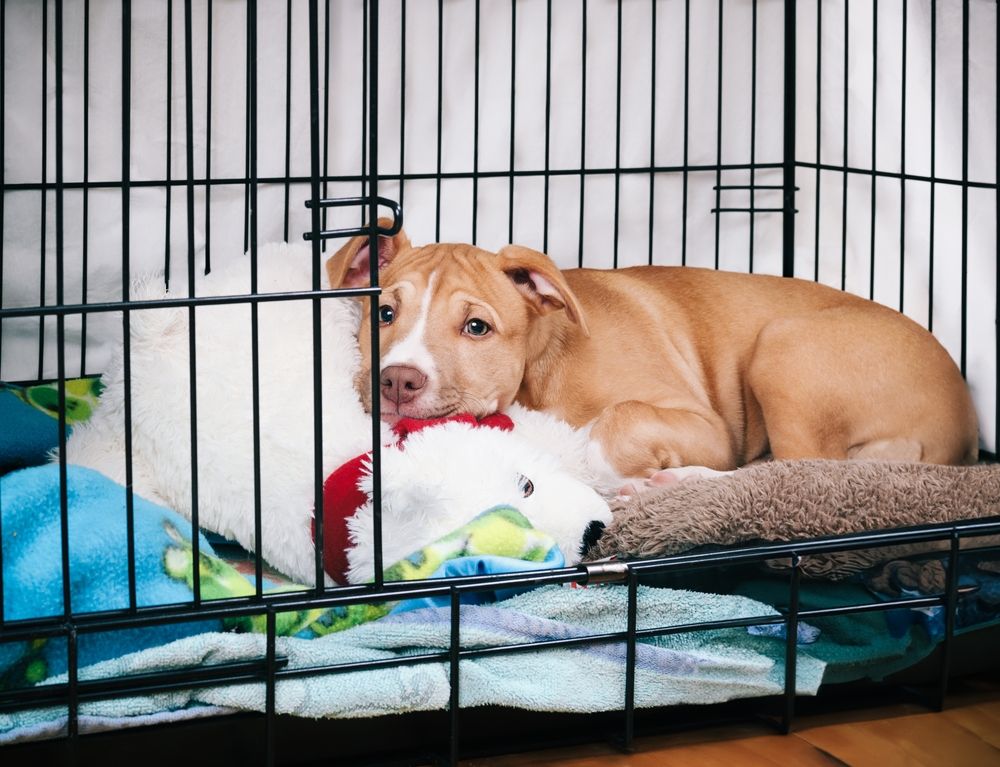
- Safely confined (crate or puppy pen)
This is not punishment. It is clarity. Freedom is earned again through clean days.
Step 2: Tighten the schedule
For most regressions, I start with this simple rhythm:
- First thing in the morning
- After every meal
- After every nap
- After intense play or zoomies
- Before crating and right after crating
- Before bed
If accidents are frequent, add “every 60 to 90 minutes while awake” for a few days, then stretch it slowly once things stabilize.
Step 3: Leash up and wait
During a regression, I do not trust the quick backyard release. Go out on leash, stand still, and give your cue once.
Give your puppy a clear window to succeed. A good starting point is 3 to 5 quiet minutes in the potty spot.
Then wait for:
- A real pee (not a tiny squirt)
- And ideally a poop if it is a usual time
If your puppy gets distracted, that is your clue they are not done or they are not comfortable. Keep it boring. If nothing happens after 3 to 5 minutes, bring them inside and supervise closely, then try again in 10 to 15 minutes.
Step 4: Pay well for outdoor success
This is where people ease up too early. When you are rebuilding, go back to “jackpot” rewards:
- High value treat within 1 to 2 seconds of finishing
- Warm praise
- Then a little freedom or playtime
The order matters. Potty, reward, then fun. If your puppy thinks potty ends the party, they will start holding it.
Step 5: Clean like you mean it
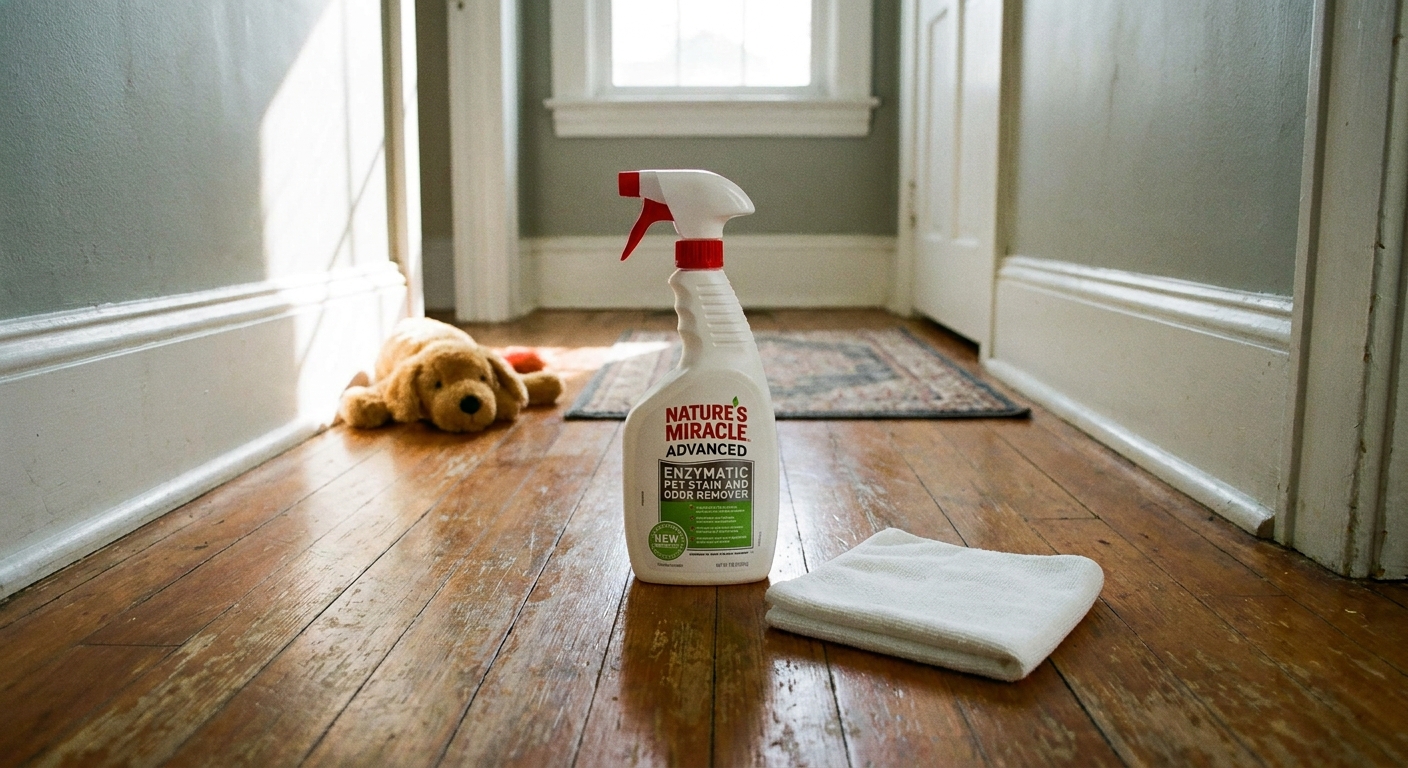
If your puppy has already used a spot indoors, it is now a “potty possibility” in their mind. Clean every accident with an enzymatic cleaner designed for pet urine. Regular soap can remove the smell for humans but leave enough scent to invite repeat performances.
A few practical tips that make enzymatic cleaners work better:
- Blot first, do not rub, so you do not push urine deeper.
- Saturate the area to at least the depth of the accident (carpet often means the pad, too).
- Follow the label for dwell time. Many products need time to break down proteins.
- Repeat if needed, especially on older spots.
Step 6: Track patterns for three days
You do not need a fancy app. A note on your phone works. Write down:
- Time of meals and water access
- Potty trips and whether your puppy peed or pooped
- Accidents and what was happening right before
Patterns usually jump out fast. Many “random” accidents are actually “always 20 minutes after dinner” or “right after the kids get home.” Once you see it, you can prevent it.
Step 7: Re-earn freedom slowly
After 7 clean days, expand privileges like this:
- Add one room, supervised, for a few days
- If clean, add a little more time or space
- If there is an accident, shrink back again
This is not being strict. It is being fair to a puppy brain that learns through repetition.
How to handle an accident
Accidents happen in real life. Here is the least dramatic way through it:
- If you catch them mid-pee: calmly interrupt with a neutral sound like “oops,” scoop or guide them outside, then reward if they finish outdoors.
- If you find it after the fact: say nothing to your puppy, clean thoroughly, and adjust your management so it does not happen again.
Scolding teaches puppies to hide and potty behind the couch. It does not teach them to potty outside. It also backfires because dogs do not connect punishment after the fact with something they did minutes ago.
Common triggers and fixes
Accidents after a food change
A new food or treats can change stool timing and urgency. Temporarily increase potty trips after meals and watch for loose stool.
If your puppy is very young, unvaccinated, a toy breed, seems unwell, has watery diarrhea, blood in the stool, repeated vomiting, or signs of dehydration, contact your vet right away. Otherwise, if diarrhea lasts more than a day or your puppy seems off, call your vet.
Accidents right after coming inside
This often means your puppy did not actually go. Use the leash, stay out longer, and make the potty area boring but safe. Consider a second “confirmation loop”: pee, walk a small circle, offer the cue again, then reward.
Accidents in a new room or at a friend’s house
Dogs do not automatically generalize “potty is outside” to every building on earth. Go back to first-week rules in new places: frequent trips, leash potty breaks, big rewards, and close supervision.
Marking in the house
For marking, focus on management and prevention:
- Supervise closely and block access to tempting spots
- Clean with enzymatic cleaner
- Potty before guests arrive or before exploring new rooms
- Reward outdoor potty heavily
If marking is increasing or appears suddenly, talk to your vet to rule out medical issues and discuss hormones. Spay and neuter timing is individual, but hormones can contribute to marking in some dogs.
Excitement peeing during greetings
Common in young puppies and sensitive adolescents. Try:
- Take your puppy out right before greetings
- Keep greetings low-key, no squealing or fast petting
- Ask guests to ignore the puppy at first
- Reward calm behavior and four paws on the floor
Most puppies outgrow this with maturity and calmer routines.
Nighttime regression
If your puppy suddenly needs overnight potty breaks again, do a short reset:
- If your puppy is old enough and healthy, you can consider picking up water 1 to 2 hours before bed. Do not restrict water for very young puppies, in hot climates, after heavy exercise, or if your puppy is sick. If your puppy seems extra thirsty, call your vet.
- Make the last potty trip calm and on leash
- Crate in your bedroom so you hear stirring early
- If they wake, take them out with zero excitement, no play, then straight back to bed
If nighttime accidents are new and frequent, especially if your puppy is drinking more, call your vet.
A simple daily routine
If you want one “boring but effective” rhythm, here is what has carried a lot of my fosters through adolescence:
- Morning: potty, breakfast, potty, short play, potty, nap
- Midday: potty, training session, potty, chew time, potty, nap
- Evening: potty, dinner, potty, family time with supervision, potty, wind-down
- Bedtime: final potty on leash, crate
Notice the theme. Potty breaks are bookends around everything.
FAQ
How long does regression last?
If it is behavioral and you tighten management, many puppies improve within a week. If accidents have become a habit in specific spots, expect 2 to 3 weeks of consistent prevention and reinforcement. If there is a medical issue, regression will continue until the underlying problem is treated.
Should I go back to crate training?
If your puppy is having indoor accidents, the crate can be a helpful reset tool when used correctly. The crate should be appropriately sized, introduced positively, and paired with frequent potty trips. Do not use it as punishment.
Do pee pads cause regression?
They can, especially if your puppy starts thinking “soft surfaces indoors are toilets.” If you need pads for a specific reason, place them in one consistent location and transition carefully by moving them closer to the door and outdoors over time.
My puppy only has accidents on carpet. Why?
Carpet can feel absorbent and similar underfoot to outdoor substrates, and lingering odor can keep the spot “sticky” in your puppy’s brain. Deep clean with enzymatic cleaner and limit access during the reset. If possible, block off carpeted rooms until your puppy is reliable again.
Is regression at 6 months normal?
Yes. Six months is prime time for adolescent wobble. The fix is not a new trick, it is consistency: more supervision, more potty trips, and bigger rewards for outdoor success.
When to get extra help
If you have done a solid two-week reset and accidents are still frequent, it is time to widen the lens. Talk to your veterinarian to rule out medical causes, and consider a certified positive reinforcement trainer who can watch your setup and timing in real time.
Most potty training regressions are a temporary detour, not a dead end. With a short step-back in freedom and a big step-up in consistency, you will get your clean floors back.