Bell training is one of my favorite “tiny upgrades” for potty training because it gives your puppy a clear, polite way to communicate. No scratching paint off the door. No silent stare-down followed by a surprise puddle. Just: ding, and you both know what happens next.
The secret is simple: the bell is not the magic part. Consistency is. You are teaching a chain: go to the door → ring bell → door opens → potty happens → reward. Keep that chain clean and your puppy will learn it.
What you need before you start
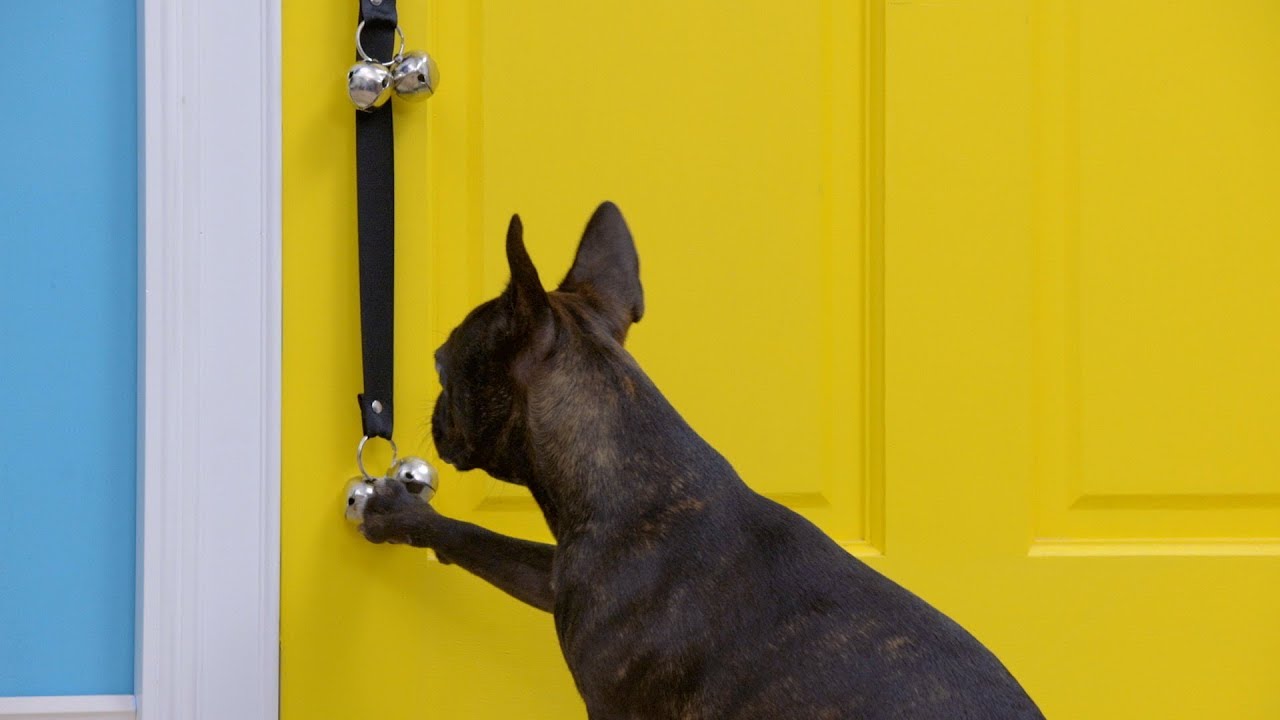
- A bell setup: hanging jingle bells on a strap, a desk bell on the floor, or a wall-mounted button bell. Hanging bells are easiest for most families.
- High-value treats: tiny, soft pieces you can deliver fast. Think pea-sized.
- A leash (even for fenced yards at first) so “bell means potty” stays the rule.
- A plan for placement: one potty door, one bell location, every time (at least at first).
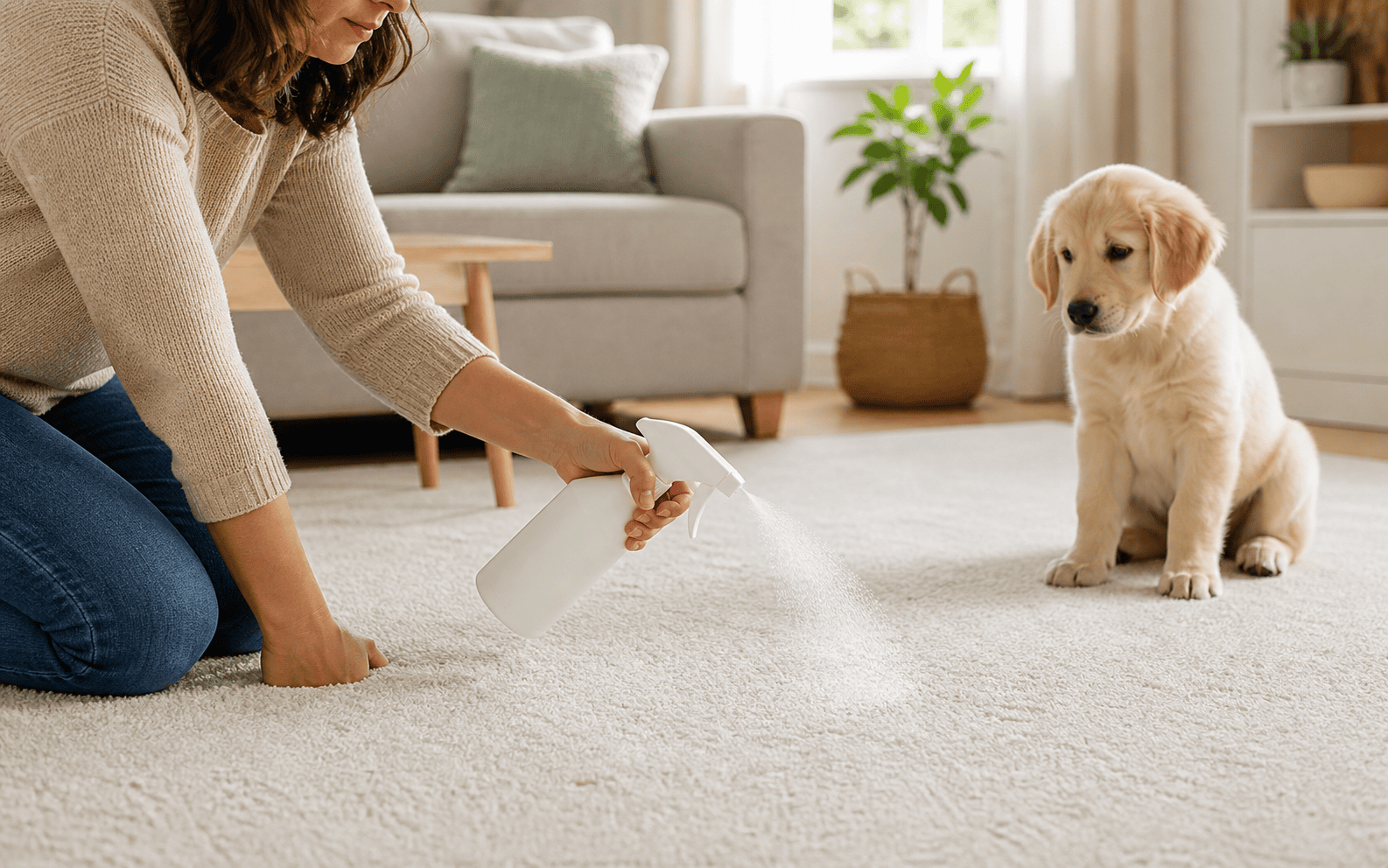
- Enzymatic cleaner: if accidents happen indoors, clean with an enzyme-based cleaner so lingering odors do not invite repeat performances.
Bell height tip: The bell should be at your puppy’s nose or chest level, not way above their head. We want an easy, repeatable motion, not an acrobatic leap.
Pick the right bell type
Hanging bells (most popular)
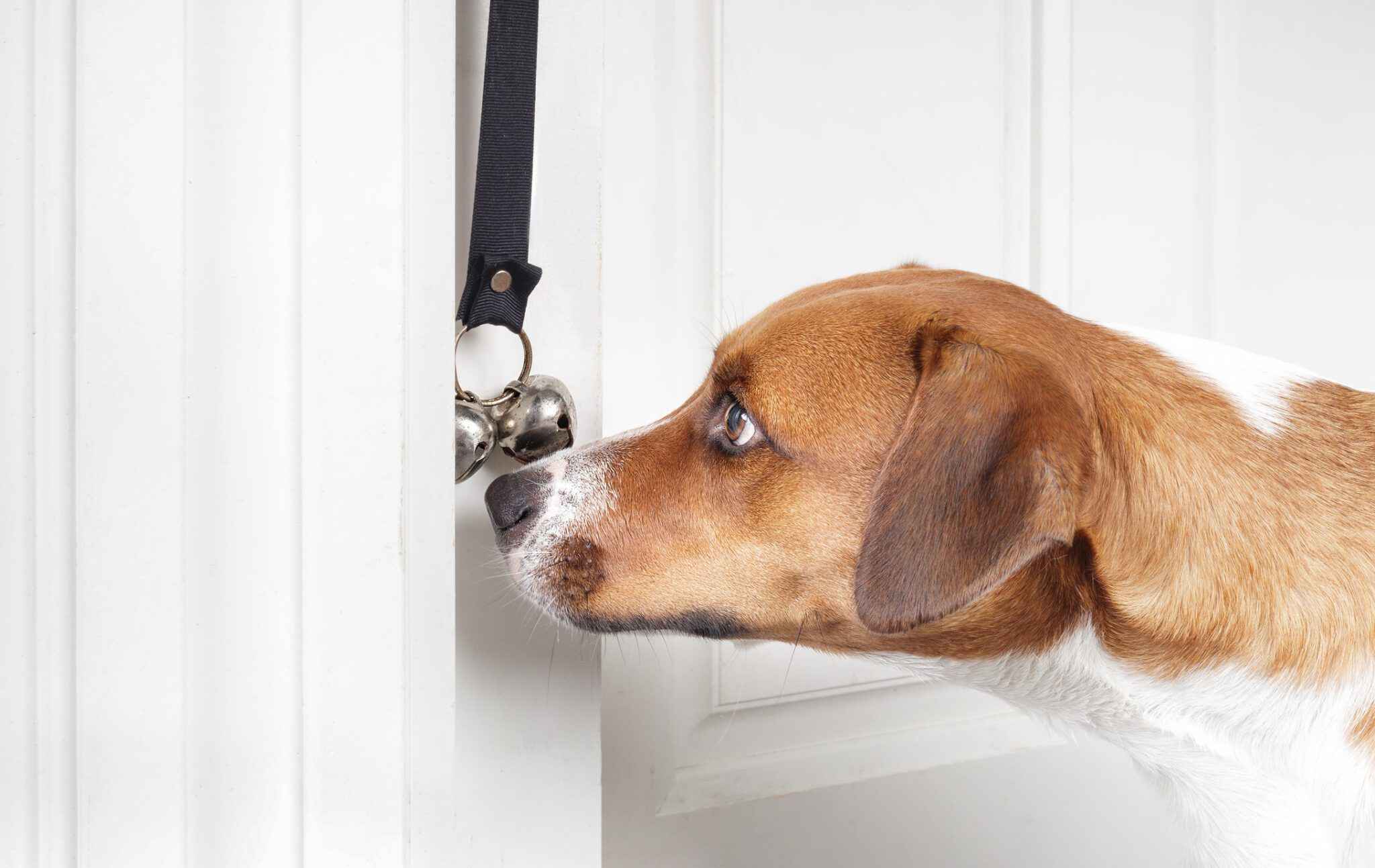
These attach to a doorknob or hook. Puppies learn to bump them with their nose or paw. Downside: they can be fun to whack.
Floor “ding” bell
Great for tiny dogs, noise-sensitive pups, or some seniors. If your dog has arthritis or stiffness, a floor target may be uncomfortable. In that case, stick with a hanging bell at nose height or a wall button they can tap without bending.
Button bell by the door
Nice if you want a cleaner look and fewer jingles. Some are loud, so test your puppy’s comfort. A noise-sensitive pup can decide the bell is suspicious and avoid it.
Step-by-step: train in 5 to 10 minute sessions
Step 1: Introduce the bell (boring is good)
Hold the bell still and let your puppy sniff. The moment they investigate, mark it with a happy “yes” and treat. If they flinch at the sound, muffle it in your hand at first and reward calm curiosity.
Step 2: Teach “touch” to the bell
Ask for a gentle nose bump. You can lure with a treat close to the bell, or simply reward any contact at first.
- Puppy touches bell → “yes” → treat
- Repeat until the touch is confident and easy
Goal: your puppy intentionally makes the bell move, not accidentally brushes it once in a while.
Step 3: Move the bell to the potty door
Now we move the skill to the real location. Cue “touch,” then open the door and head out. Early on, it is fine to give a tiny treat for the touch at the door because you are building the habit. Once your puppy understands the routine, shift the “big reward” to what we actually care about: potty outside.
At this stage, you are teaching: bell makes the door open.
Step 4: Pair it with every potty trip
For the next week or two, do not skip this. Every single potty break goes like this:
- Walk to the bell on leash
- Pause and wait. If needed, cue “touch”
- Bell rings
- Ask for a quick “sit” or hold the leash so the door opening does not turn into a door-dashing game
- Door opens right away
- Go to the potty spot
- Quietly wait
- When they go: praise and treat
Important: Reward the potty, not the bell. Think of the bell as the request and the potty as the completed job. The paycheck comes after they actually pee or poop outside.
Step 5: Fade the cue
Once your puppy starts ringing the bell with just a pause and a look at you, stop saying “touch.” Wait a beat, point at the bell if needed, then open the door only after you hear the ring.
How long does bell training take?
Many puppies catch the idea in about a week, but reliability often takes several weeks. Some pups are quicker, some need longer. The timing depends on:
- Age and bladder control
- How consistent the humans are
- How exciting your yard is
- Whether your puppy already understands “go potty” outside
If you are still having frequent indoor accidents, focus first on a tighter potty schedule and supervision. The bell is a communication tool, not a bladder upgrade.
The schedule that makes it stick
Bell training works best when your puppy already has lots of successful outdoor potty reps. For most new puppies, I start with these outings:
- First thing in the morning
- After every meal
- After naps
- After play sessions
- Before crating
- Right after coming out of the crate
- Last call before bed
During training, lead them to the bell each time. You are building muscle memory: door equals bell equals outside.
Real-life setup tips
One door first
If you have multiple exits, pick one “potty door” and commit to it for now. Once your puppy is reliable, you can add a second door by repeating Step 3 and Step 4 at the new location.
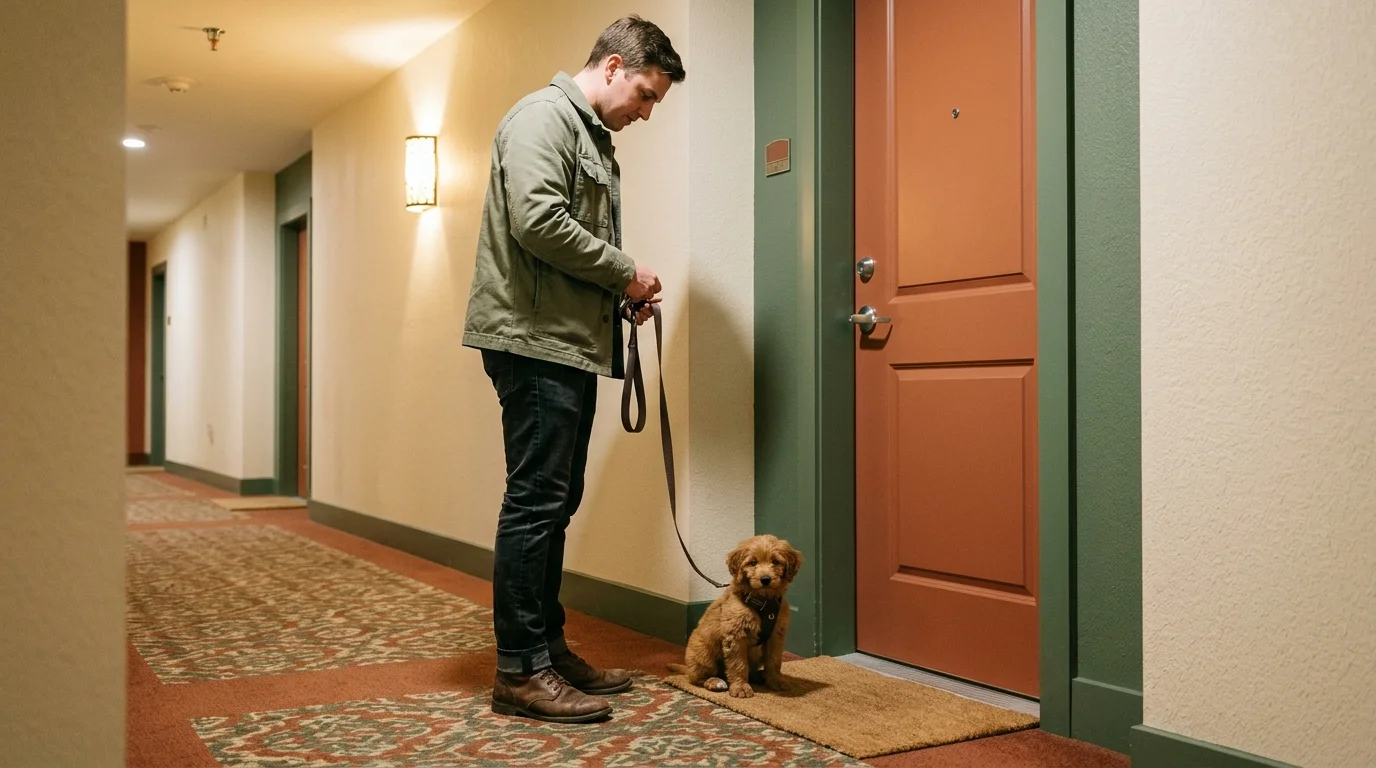
Apartments and balconies
Bells still work in an apartment. The bell just needs to lead to the same potty location every time, whether that is outdoors, a balcony grass patch, or a designated relief area. If you are using pads temporarily, keep the bell routine tied to your chosen long-term potty plan so you do not accidentally teach “bell means pad sometimes, outside sometimes, chaos always.”
How to prevent bell spamming
This is the part nobody warns you about until you are on your fourth “urgent” trip outside and your puppy is doing zoomies with a leaf.
Bell spamming happens when the bell becomes a shortcut to fun outside time. Fix it by making bell trips boring and consistent.
Use the “business trip” rule
- Leash on
- Go to the same potty spot
- No play, no wandering the yard
- Give 3 to 5 minutes to potty (longer if they are clearly trying)
- If they go, reward and come back in
- If they do not go, come back in calmly
Often, after a few days of this, puppies ring less “just to party” because the bell no longer guarantees entertainment.
If spamming still persists, add separate, scheduled outdoor sniff or play sessions that are not tied to the bell. That way your puppy gets yard time without learning to weaponize the jingle.
Do not scold the bell
If you punish the ringing, you can accidentally teach your puppy to stop signaling altogether. We want them to communicate. We just want the communication to mean “potty,” not “I am bored.”
Common problems and quick fixes
My puppy is scared of the bell
- Start with a softer bell or a floor bell
- Muffle the jingle in your hand and reward calm
- Feed treats near the bell without making it ring at first
- Let your puppy choose to interact. Do not force it
My puppy rings it but does not potty
Assume it is either bell spamming or confusion about the routine.
- Switch to leash-only boring potty trips for a week
- Reward only after potty happens
- Track timing. Many pups ring when they are tired, overstimulated, or want you to engage
My puppy scratches the door instead of ringing
Stand closer to the bell and wait. If scratching starts, calmly block access to the door with your body, cue “touch,” then open the door only after the bell rings. Door scratching should not be the behavior that works.
My puppy rings once and walks away
That is actually a good sign. They are saying, “I did my part.” Your job is to respond quickly so the signal stays meaningful.
My puppy rings when I truly cannot go
This happens. Life is inconvenient and puppies are very committed to their timing. If you cannot respond, do two things: manage the environment, and prevent practice.
- Use a crate, pen, baby gate, or leash-on supervision during times you cannot do quick door runs
- If needed, restrict access to the bell when you are in a meeting or asleep, then put it back up during potty windows
- Tighten your schedule for a bit so fewer “emergency” rings happen
Multiple dogs ring the bell nonstop
Teach one dog at a time, and keep the “business trip” rule. If you have a dog who truly just wants to patrol the yard, separate potty trips from playtime.
When not to use a bell
Bells are great, but they are not for every household. You might skip the bell if:
- You have a very noise-sensitive dog who becomes anxious around sudden sounds
- Your puppy is in a phase of obsessive attention-seeking and the bell becomes a compulsive behavior
- You cannot respond consistently, which can create frustration or accidents
In those cases, a different signal like sitting at the door, touching a target mat, or using a doggy door (if appropriate and safe) may work better.
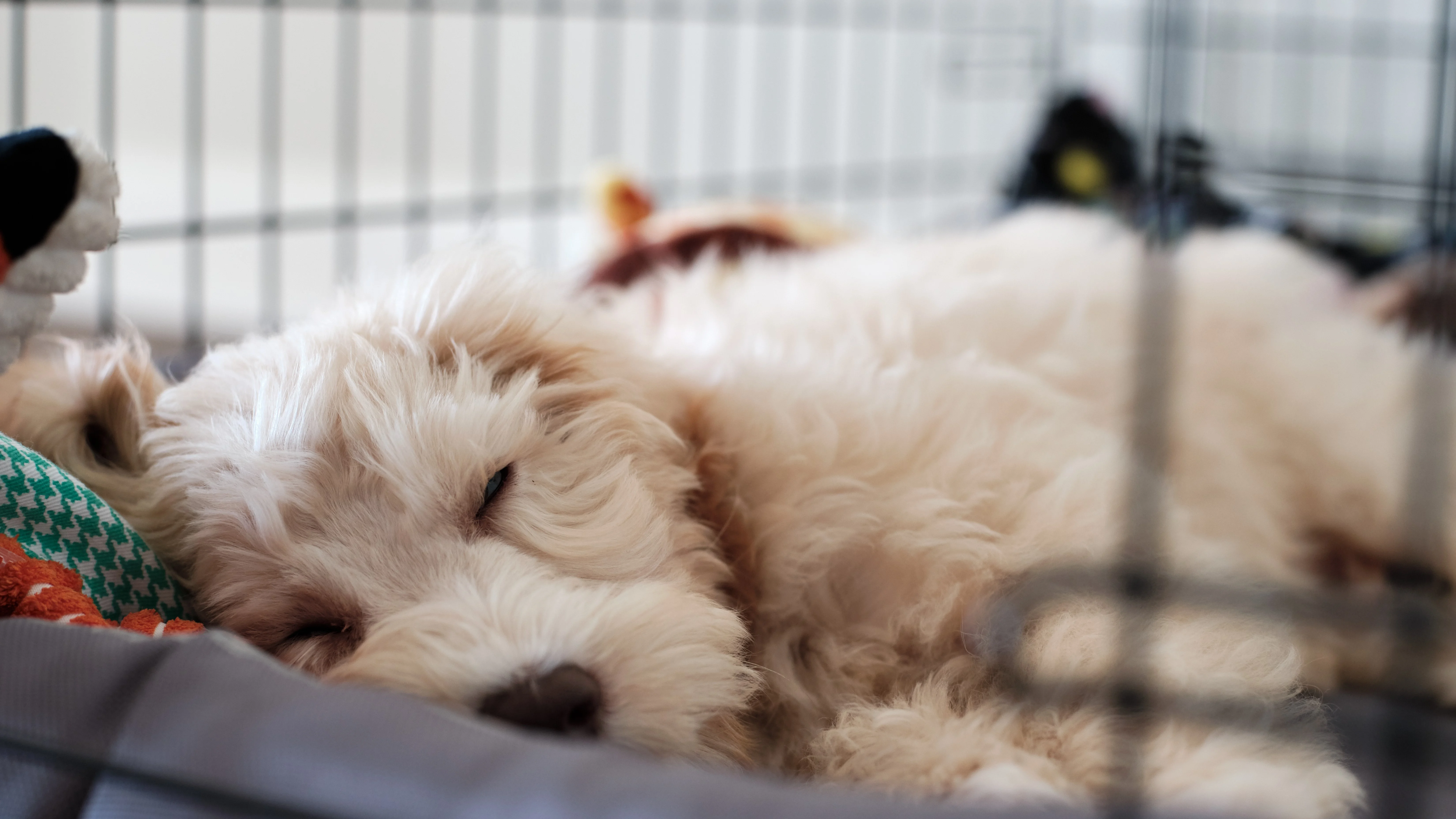
Bells and crate training
If you are crate training, bells fit beautifully into the routine. A few practical notes from the foster-trenches:
- Do not expect a crated puppy to ring. You still have to take them out on schedule.
- Go bell first after the crate. When you open the crate, leash up and walk straight to the bell so the habit stays automatic.
- Accidents right after freedom usually mean “too much freedom.” Do a short leash walk to the door, ring, and go outside rather than letting them roam first.
FAQ
What age can puppies learn to ring a bell?
Most puppies can start learning the motion as soon as they come home. The ability to reliably hold it and ask in time depends on bladder control, which improves week by week. Start early, keep expectations realistic.
Should I take the bells down at night?
If bell spamming is a problem, yes, you can remove them at night or during nap time. Just be consistent about putting them back up for potty windows and continuing your schedule.
What if my puppy rings and then has an accident while I grab shoes?
This usually means the response time is too slow for where your puppy is developmentally. For now, treat bell rings like a fire drill. Leash by the door, slip-on shoes, and go. As they mature, you can take a little longer.
Do I reward every bell ring?
No. Reward the potty outside. In the very beginning, you can reward the touch to build the behavior, but once your puppy understands that ringing leads to a potty trip, keep treats for the outdoor potty. If you reward the bell itself forever, some puppies learn to ring for snacks, which is honestly impressive but not helpful.
A quick pep talk
If your puppy “gets it” one day and forgets the next, you are not failing. You are raising a baby animal with a tiny bladder and a brain full of squirrels, dust motes, and existential questions like: “What if I bite the rug?” Keep the routine boring, keep the rewards for outdoor potty generous, and give it a couple of consistent weeks. One day you will hear that little jingle and realize you have not mopped in days. It is a beautiful sound.