If you have ever stumbled out of bed at 2 AM, half-asleep, holding a leash in one hand and your dignity in the other, you are in excellent puppy-parent company. Nighttime potty accidents are one of the biggest reasons people start eyeing the water bowl like it is the enemy.
Here is the truth: managing water timing can help overnight crate training, but taking it too far can backfire fast. The goal is not “less water.” The goal is smarter timing, plus a daytime routine that keeps your puppy comfortably hydrated and set up for success overnight.
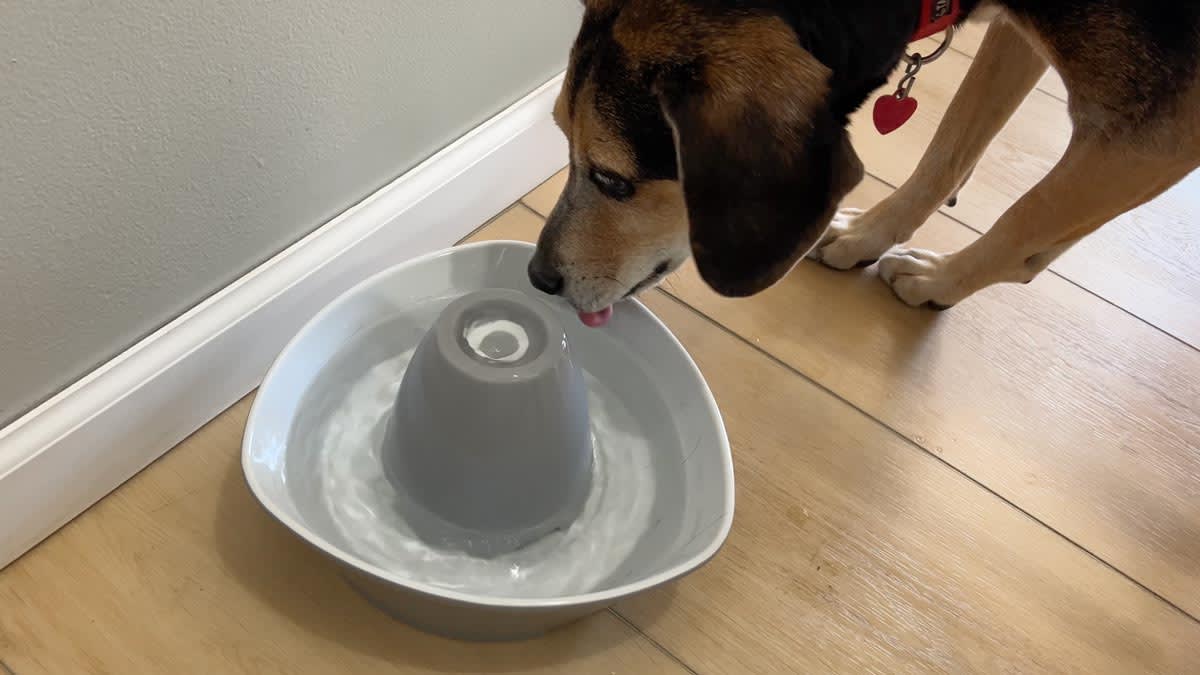
First, a quick reset
Water is not a treat. It is not optional. Puppies are small, active, and still learning to regulate their bodies. If a puppy is truly thirsty, they will drink, then they will pee, and that does not mean they are being “bad.” It means their body did what bodies do.
What we are aiming for is a routine where your puppy gets plenty of water during the day, and then a gentle taper in the evening so their bladder is not working overtime while they are crated.
When water limiting is unsafe
Skip the “pull the water bowl” idea and talk to your vet promptly if your puppy:
- Seems lethargic, weak, or unusually sleepy
- Has vomiting or diarrhea (dehydration risk goes way up)
- Is panting heavily at rest, especially if heat or illness could be involved
- Has very dark yellow urine or tacky, dry gums
- Has a medical condition affecting thirst or urination
- Is on medications that increase thirst or urination (your vet can tell you if this applies)
- Is under 12 weeks and struggling to eat or drink normally
Also, if your puppy is drinking obsessively and cannot seem to stop, that is not a training problem. That is a “call your vet” problem.
Normal puppy water habits
Most puppies do best with steady access to clean water through the day, with structured opportunities to drink, play, and potty. Some pups sip politely. Others dive in face-first like they have been crossing the desert for days. Breed, size, activity level, food type, medications, and weather all change what “normal” looks like.
Times puppies drink a lot
- Right after meals
- After zoomies or training sessions
- After coming inside from heat or sun
- After chewing (chews can make them thirsty)
- When they are stressed or overstimulated
If your puppy is guzzling at night, it is often because they did not drink enough earlier, their bowl access is inconsistent, or their schedule is a little chaotic. Fixing the daytime routine often helps, but age, crate setup, and medical issues can still be factors.
A bedtime water plan
This is the approach I use with most fosters, because it reduces accidents without making puppies feel deprived.
Step 1: Make daytime water easy
Make water easy and boring all day. If your puppy is distracted, try putting the bowl where you are, not across the house. Offer water after play and after training. If you use a crate or playpen during the day, keep water available during awake time.
If you have multiple pets, keep an eye on the bowl. Some puppies drink less if a bigger dog guards the “good” water spot or crowds them out. A second bowl in a quieter area can help.
Step 2: Choose a last-call window
For many puppies, a helpful guideline is to stop free access to water about 1 to 2 hours before bedtime. Not because water is “bad,” but because we are creating a predictable runway to sleep.
Important nuance: stopping free access does not mean your puppy cannot drink at all. It means you are managing it intentionally.
Step 3: Offer a small drink if needed
If your puppy asks for water in that last window, do not ignore them. Offer a small drink, then take them out to potty again 10 to 20 minutes later.
What counts as “small?” Think a few swallows, or a quick, measured sip in the bowl rather than letting them stand there and tank up. (Tiny puppies and toy breeds may need smaller, more frequent sips and more frequent potty trips.)
Step 4: Do a real last potty
The “last potty” needs to be boring and complete:
- Leash on
- Same spot every night
- Stand still and wait
- Quiet praise when they go
- Back inside, straight to crate
If your puppy tends to pee a little, then get distracted, give them a couple minutes. Some puppies will pee twice if you calmly wait for them to fully empty.
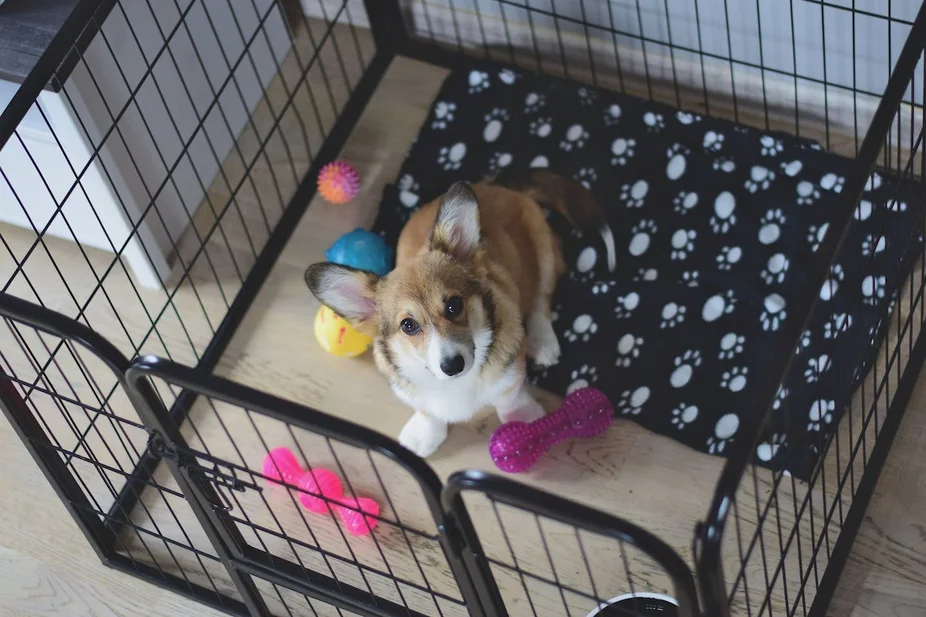
An evening schedule to copy
Adjust the times to match your household, but keep the pattern.
- 2 to 3 hours before bed: normal play, training, water available
- 2 hours before bed: final big drink opportunity after play, then a potty trip
- 1 to 2 hours before bed: taper water access (no full bowl sitting out), calm activities
- 30 to 60 minutes before bed: potty trip
- Right before bed: final potty trip, then crate
If your puppy is very young, you may still need one overnight potty trip for a while. That is not failure. That is biology.
Reduce accidents without dehydration
Front-load hydration
If you are nervous about the evening taper, the fix is not “let them guzzle at 10 PM.” The fix is making sure they got plenty of chances to drink from morning through late afternoon.
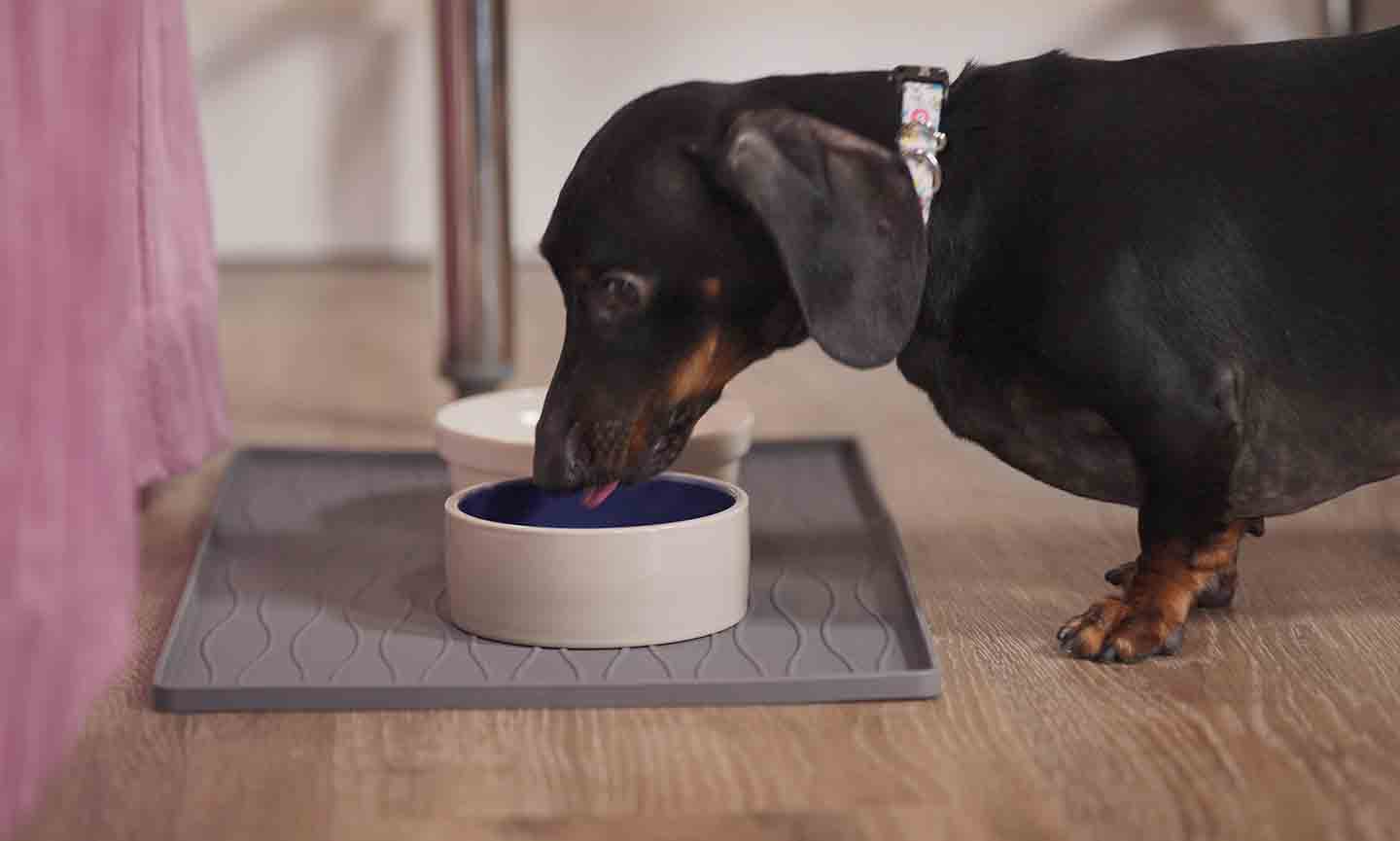
Make the bowl puppy-friendly
You would be amazed how many puppies drink less because:
- The bowl smells like old food
- The water tastes stale
- The bowl is too deep for a tiny face
- The bowl slides and spooks them
A wide, shallow bowl on a non-slip mat can make a huge difference.
What not to do
- Do not remove water for long stretches during the day to “prevent peeing.” It can lead to dehydration and rebound guzzling.
- Do not ration water as punishment for accidents. Accidents mean the schedule and supervision need adjusting.
- Do not rely on ice cubes as a water replacement. They are fine as an occasional treat, not a hydration strategy.
- Do not ignore thirst after heavy play or warm weather just because it is “close to bedtime.” Offer a small drink and add an extra potty trip.
- Do not assume a puppy who drinks a lot is being “dramatic.” Excessive thirst can be medical.
Special situations
My puppy guzzles water as soon as it appears
This often happens when water has been limited earlier, or the puppy has learned “water disappears, so I should tank up.” Fix it by making water reliably available most of the day. Once they trust it is not scarce, guzzling often decreases.
If guzzling is intense, frequent, or paired with lots of peeing, ask your vet about screening for issues that increase thirst. This is especially important if you also notice accidents that feel out of proportion to your puppy’s age or schedule.
My puppy has diarrhea
Do not restrict water. Focus on hydration and call your vet for guidance, especially with young puppies. Dehydration can happen quickly.
Kibble vs wet food
Kibble-fed puppies often drink more water, which is normal. Wet food adds moisture, so some pups drink a bit less. Either way, your job is the same: provide clean water all day and manage timing at night.
Hot weather and panting
If your puppy is panting, offer water. Instead of leaving a full bowl down right before bed, offer a moderate drink, cool them down, then do an extra potty trip before crating. If you suspect heat stress, treat it as urgent and contact your vet.
Accidents still happen
If you are already doing a sensible water taper and your puppy is still having accidents, the most common culprits are:
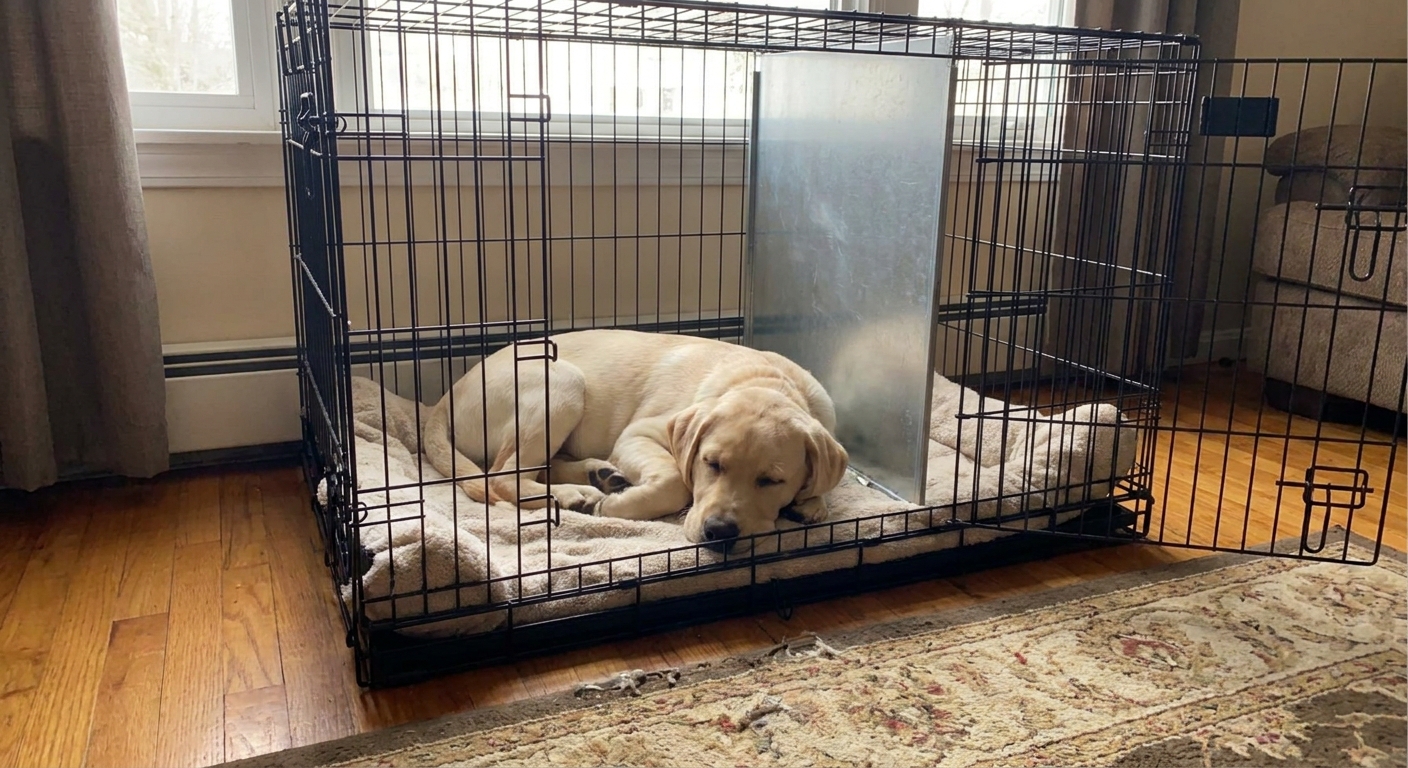
- The crate is too large (they can pee in one corner and sleep in the other)
- Bedtime is too late for their current bladder capacity
- They need one scheduled overnight potty trip for now
- They are not fully emptying on the last potty break
- A medical issue like a UTI
Signs of good hydration
You are generally in good shape if your puppy:
- Has light yellow urine most of the time
- Has moist gums (not tacky or dry)
- Has normal energy for their age (which is chaotic, yes)
- Recovers well after play
- Drinks regularly through the day without obsessing
A dry nose by itself is not a reliable dehydration test, so focus on gums, urine, energy, and the overall picture. If you are unsure, bring it up at your next vet visit. A quick conversation is worth the peace of mind.
FAQ
Should I pick up my puppy’s water bowl at night?
You can remove the bowl about 1 to 2 hours before bedtime for many puppies, as long as your puppy had good access earlier in the day and you are still willing to offer a small drink if they seem genuinely thirsty.
What if my puppy cries in the crate and I think they are thirsty?
First, take them out for a quick potty trip on leash. If they do not potty and settle back in, offer a small drink and then do one more quick potty trip. If crying becomes a pattern, look at the daytime hydration routine and whether the evening taper is too aggressive.
Can limiting water help with potty training overall?
Not really. Potty training improves with supervision, frequent potty trips, rewards for going outside, and a schedule. Long-term water limiting can create new problems, including guzzling and stress.
How long can a puppy hold pee overnight?
It depends on age, size, and the individual puppy. Many trainers use a rough guideline of age in months equals hours (for example, a 3 month old might manage around 3 hours), but it is not a guarantee, and nights can be harder than daytime. Many young puppies still need at least one overnight break, especially toy breeds and very small pups.
My go-to rule
If you remember only one thing, make it this: hydrate generously during the day, taper gently at night, and add potty trips instead of taking water away.
That balance is what gets you to drier crates, rested humans, and a puppy who does not feel like water is going to vanish forever.