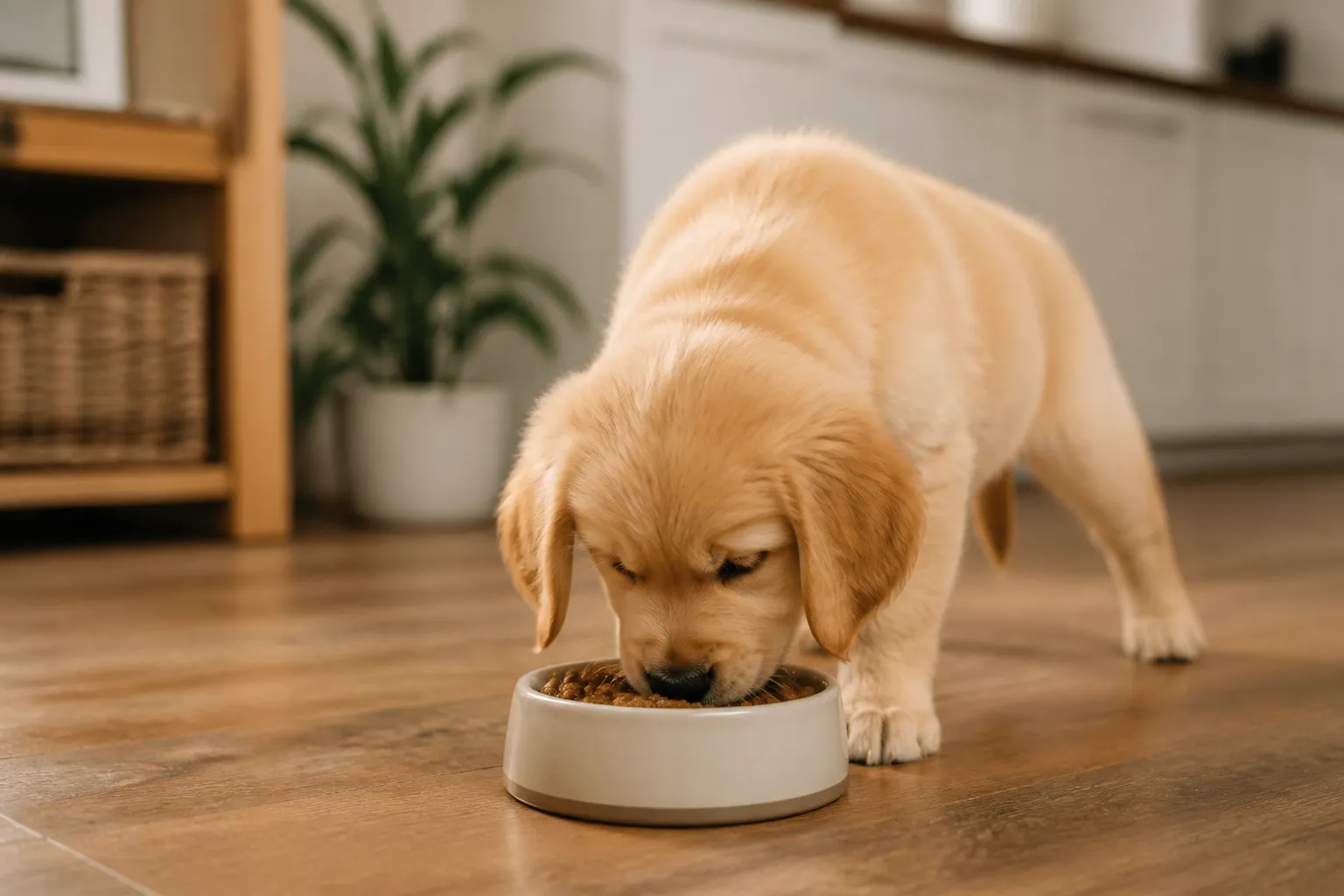
Why food changes upset puppy stomachs
Puppies have brave hearts and delicate digestive systems. When you switch food suddenly, you can overwhelm the gut bacteria and digestive enzymes that were happily tuned to the old diet. The result is often loose stool, extra gas, belly gurgles, or a puppy who suddenly looks offended by dinner.
Add in the fact that many pups are changing homes, routines, water, treats, and stress levels all at once, and it is no wonder their stomachs protest. The goal is simple: change one big thing at a time and make the switch gradually.
Before you start
1) Get some of the current food
If you can, come home with at least 5 to 7 days of the food your puppy is currently eating. If you already ran out, ask what brand and exact formula it was, then buy a small bag to use for the transition. Matching the formula matters because even same-brand puppy recipes can differ.
2) Choose the new food carefully
Pick a puppy-appropriate diet (or an all-life-stages formula that is clearly labeled for growth). When in doubt, ask your vet, especially for large-breed puppies who need careful calcium and calorie balance.
3) Keep extras simple for a week
- Skip new chews, rich treats, table scraps, and mystery snacks from well-meaning visitors.
- Hold off on switching treats at the same time as switching kibble.
- Try to keep meal times consistent.
Yes, it is less fun. It is also how you avoid playing “What caused the diarrhea?” at 2 AM.
A safe schedule: 7 to 10 days
For most healthy puppies, a 7 to 10 day transition is the sweet spot. If your puppy has a history of tummy trouble, just moved homes, or is very young or tiny, lean closer to 10 to 14 days.
7-day transition
| Days | Old Food | New Food |
|---|---|---|
| 1 to 2 | 75% | 25% |
| 3 to 4 | 50% | 50% |
| 5 to 6 | 25% | 75% |
| 7 | 0% | 100% |
10-day transition
| Days | Old Food | New Food |
|---|---|---|
| 1 to 3 | 75% | 25% |
| 4 to 6 | 50% | 50% |
| 7 to 8 | 25% | 75% |
| 9 to 10 | 0% | 100% |
How to mix it: Measure the full meal portion first, then split that amount by percentage. This keeps calories steady and prevents accidental overfeeding, which can also cause loose stool.
How much to feed during the switch
During transitions, a conservative approach helps. Think consistent, predictable meals while your puppy’s gut catches up.
- Use the new food’s puppy feeding guide as your long-term target, but do not jump portions upward just because your puppy looks cute while chewing.
- Split daily food into 3 meals for young puppies (and many adolescents). Smaller meals are easier on small stomachs.
- Measure meals with an actual measuring cup or, even better, a kitchen scale. Eyeballing is how “training treat math” gets out of hand.
If you are using kibble for training, pull it from the measured meal so you are not adding extra calories and extra digestive chaos.
What is normal and what is not
A small change in stool is common when you introduce new ingredients, even slowly. Your puppy’s gut is basically updating its software.
Usually normal
- Slightly softer stool for a day or two
- A bit more gas than usual
- Minor changes in poop color (especially when switching protein sources)
Not normal
- Watery diarrhea that lasts more than 24 hours
- Any watery diarrhea in a very young, very small, or medically fragile puppy, even if it just started
- Vomiting more than once, or repeated vomiting
- Blood in stool, or black, tarry stool (black, sticky poop that can look like digested blood)
- Straining, pain, or a swollen belly
- Lethargy, refusal to eat, or signs of dehydration (dry gums, sunken eyes, weakness)
Go now (urgent or emergency)
- Repeated vomiting plus a painful or bloated abdomen
- Suspected toxin exposure or a swallowed object (toys, socks, bones)
- Collapse, extreme weakness, pale gums, or trouble breathing
- Diarrhea with vomiting in a young puppy, especially if they cannot keep water down
Puppies can dehydrate quickly. If your gut says “this is more than a simple food change,” trust it and get medical advice.
If diarrhea shows up
First, take a breath. Loose stool is common, and it does not automatically mean the new food is “bad.” It usually means the transition is moving faster than your puppy’s digestion can handle right now.
Step 1: Stop advancing
Go back to the last mix ratio where your puppy’s poop was normal. Hold there for 2 to 3 days.
Step 2: Look for sneaky causes
- New treats or chews
- Training rewards that are richer than usual
- Trash snacking (puppies are surprisingly committed to this hobby)
- Stress, big routine changes, or too many new visitors
- Parasites, especially in newly adopted pups (your vet can test a stool sample)
Step 3: Keep hydration up
Make sure fresh water is available. If your puppy is not drinking well, contact your vet for guidance. Do not rely on internet “rehydration hacks” for tiny puppies.
Step 4: Ask before adding supplements
Some vets recommend probiotics for puppies, especially during transitions or after parasite treatment. But not every product is appropriate for every pup, so get the green light first.
Special cases
Kibble to wet food
Wet food can be a richer change for some puppies. Use the same gradual mixing schedule, and measure portions carefully. When possible, mix by calories, not just volume: check the label for kcal per cup (kibble) and kcal per can (wet), and aim to keep total daily calories steady.
Wet food to kibble
This is often easier on the stomach, but still transition slowly. If your puppy seems less interested, try adding a tablespoon of warm water to the kibble to boost smell and soften texture.
Switching to raw or home-cooked
Please loop in your veterinarian or a board-certified veterinary nutritionist first, especially for puppies. Growth is where nutritional imbalances can do real harm. If you do switch, go even slower than 10 days and monitor stool and weight closely.
Small habits that help
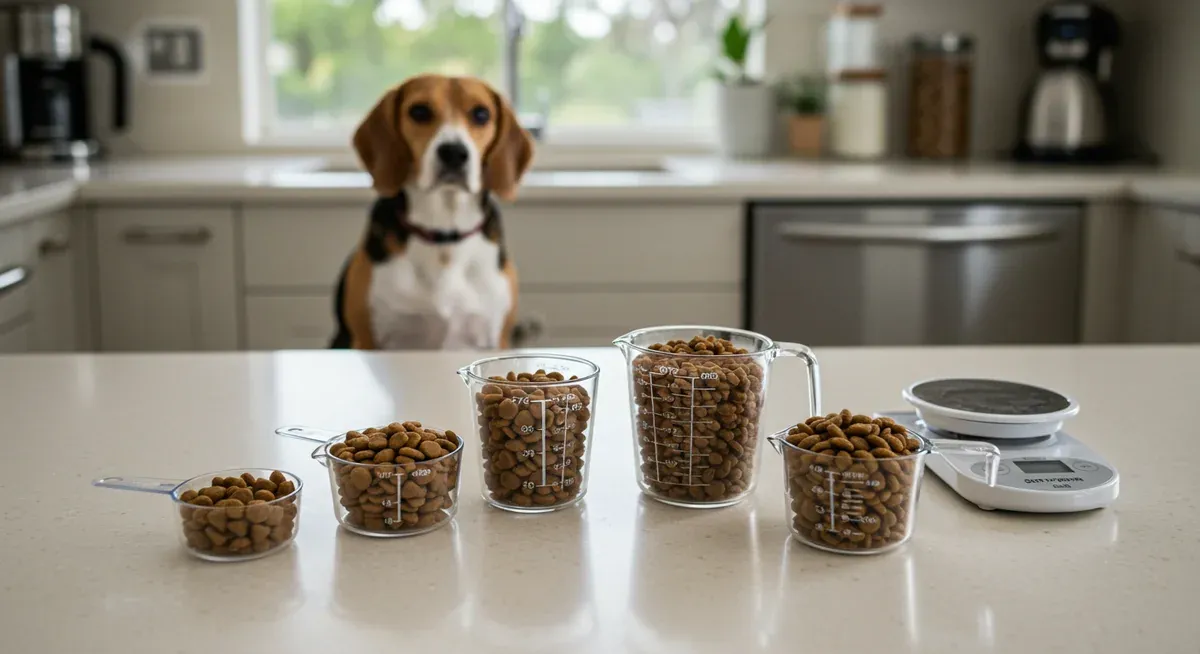
- Store food properly: keep kibble in its original bag (for freshness info and lot number) and place that bag inside an airtight container.
- Wash bowls daily: it helps prevent residue buildup and bacterial growth, which can contribute to stomach upset in sensitive puppies.
- Introduce new treats after the switch: once your puppy is stable on the new diet for a week, add new extras one at a time.
- Keep a simple poop log: jot down “normal, soft, watery” and any changes. It is surprisingly useful if you end up calling your vet.
FAQ
Should I switch food right away when I bring my puppy home?
If your puppy is thriving on the current food, I usually wait at least a few days after coming home so they can settle in. New house stress alone can cause loose stools, so stacking a sudden diet change on top can get messy fast.
My puppy refuses the mixed bowl. What do I do?
First, rule out illness if appetite is suddenly low. If they are otherwise acting normal, try warming the food slightly with warm water, feeding in a quieter space, and sticking to consistent meal times. Avoid switching to “something tastier” every time they hesitate, because puppies learn that trick quickly.
Can I add pumpkin or chicken and rice during the transition?
Sometimes vets recommend a bland diet for short-term stomach upset, but it can also throw off the transition and make it harder to identify the cause of diarrhea. If your puppy is truly having GI issues, it is better to call your vet and follow their plan than to freestyle ingredients.
How do I know if the new food is not a good match?
If you have transitioned slowly, eliminated extra treats, and your puppy still has ongoing diarrhea, vomiting, itchiness, ear issues, or poor weight gain, the formula may not be a good fit. Bring a stool sample to your vet and discuss whether to try a different protein, a different fat level, or a veterinary-guided elimination diet if allergies are suspected.
What does “normal stool” look like?
In plain terms: formed, log-shaped poop that is easy to pick up, not watery, and not so hard your puppy strains. After you are fully on the new food, try to keep things steady for 1 to 2 weeks before changing foods or adding a bunch of new treats, so your puppy’s gut has time to settle.
The bottom line
A safe food transition is not complicated, but it does require patience. Mix slowly over 7 to 10 days, measure meals, keep extras simple, and adjust if your puppy’s stool starts complaining. Your future self will thank you, especially the version of you who likes sleeping through the night.