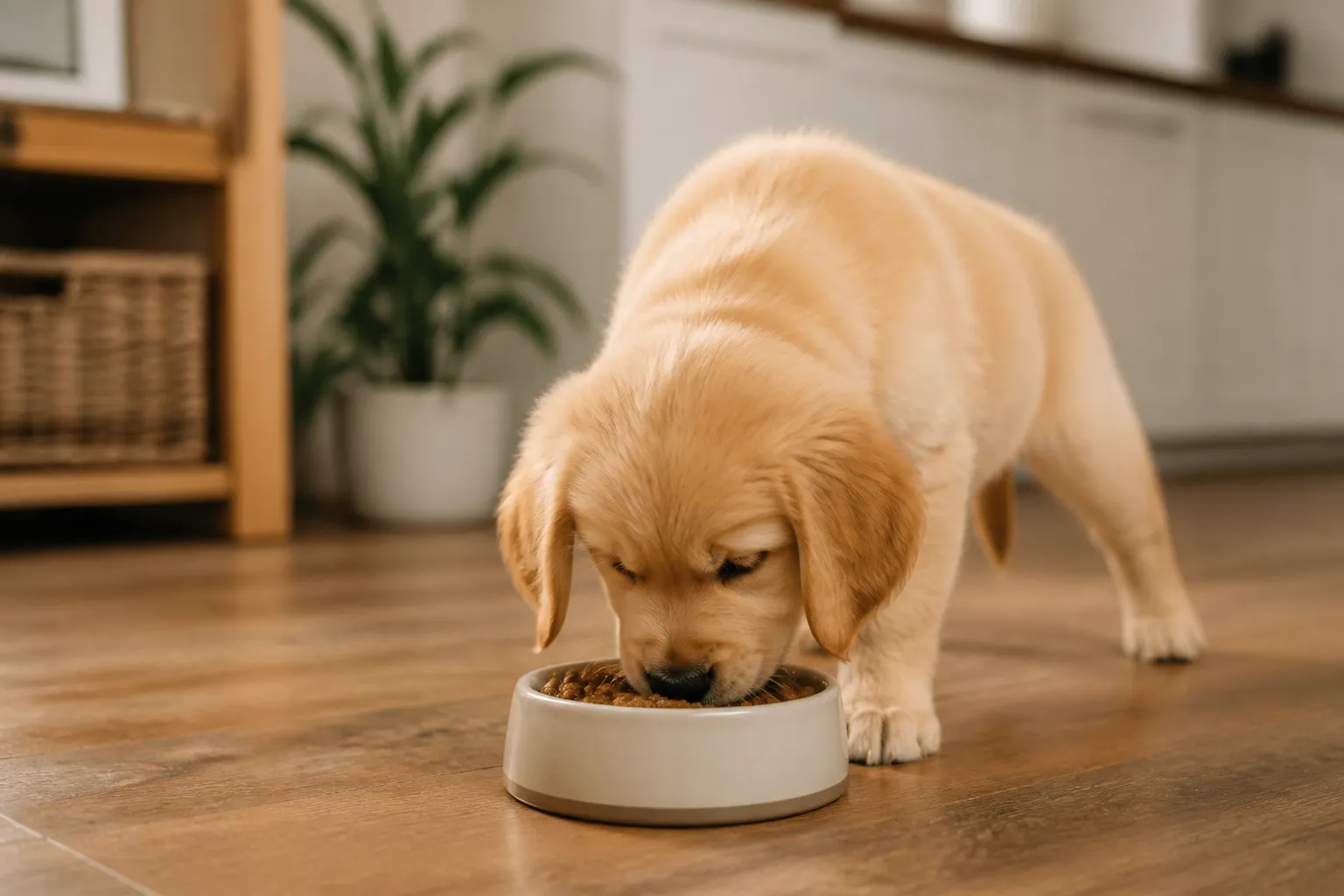
There is a moment in every puppy’s first year when you look at the food bag and think, “Wait. Are we still doing the puppy formula?” Totally normal. Puppy food is designed to fuel growth, and that is exactly why we do not want to keep feeding it forever, especially for dogs who are basically done growing (or for big breeds who can grow too fast).
The tricky part is that when to switch depends a lot on adult size, plus where your individual dog is on their growth curve. A Chihuahua and a Great Dane are not playing the same growth game, even if they are both 10 months old.
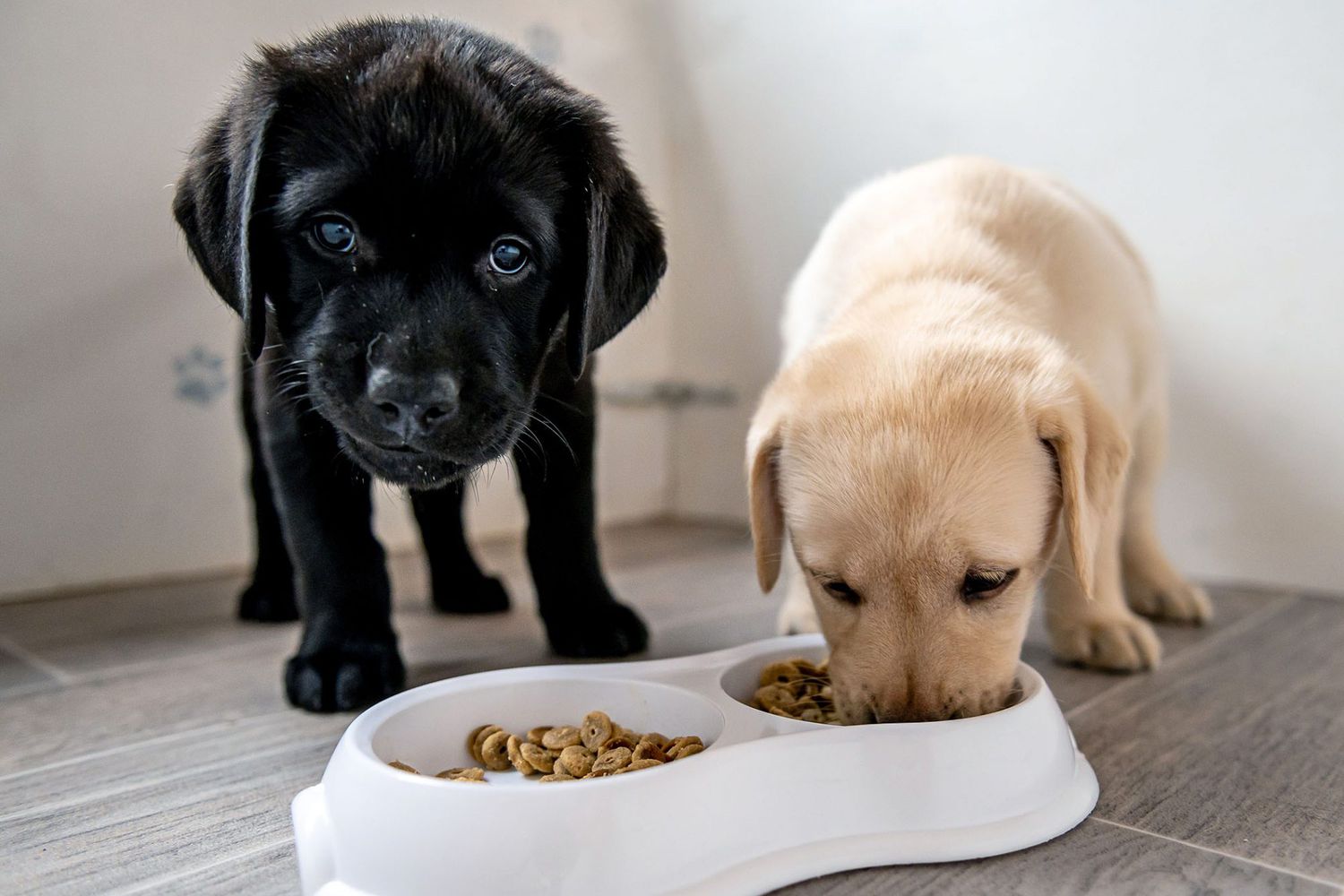
The quick answer: switch by size
If you want the cleanest, most reliable starting point, use these ranges. They assume a healthy puppy eating a complete and balanced puppy diet. If your dog has a medical issue or is on a veterinary diet, check in with your vet before changing anything.
| Adult size | Typical adult weight | When many dogs can switch to adult food |
|---|---|---|
| Small breeds | Up to ~20 lb | 9 to 12 months (often closer to 9 to 10) |
| Medium breeds | ~21 to 50 lb | Around 12 months (sometimes 10 to 14 months) |
| Large breeds | ~51 to 90 lb | 12 to 18 months |
| Giant breeds | 90 lb+ | 18 to 24 months |
Important nuance: Large and giant breed puppies often do best on a large-breed puppy formula until they are ready to transition. It is not about making them huge. It is about supporting steady growth with a mineral balance (especially calcium and phosphorus) designed for big, developing bones and joints.
Why puppy food is different
Puppy formulas are usually more calorie-dense and have different nutrient levels than adult food. That helps a growing pup build muscle, organs, and tissue, but it can backfire if you keep those “growth calories” around after the growth spurt ends.
- Small breeds tend to finish most of their growth earlier. Staying on puppy food too long can lead to unwanted weight gain.
- Large and giant breeds grow for much longer, but they also need growth that is controlled, not accelerated. It is not just calories. Energy density and mineral balance matter too, which is why large-breed puppy formulas exist.
In foster land, the most common “oops” I see is not switching a little early. It is switching too abruptly, or feeding a large breed puppy a rich, one-size-fits-all diet that does not match the goal of slow-and-steady growth.
Small breeds: when to switch
Most small breeds can transition to adult food between 9 and 12 months.
Small dogs usually hit adult height fast, sometimes as early as 6 to 8 months for toy breeds. Their puppy roundness can turn into “help, my dog is chubby” if we keep feeding a rich puppy diet past the point it is needed.
Signs your small-breed puppy is ready
- Growth has clearly slowed (you are not sizing up harnesses every other week)
- Body looks more lanky than baby-round
- You are starting to reduce meal frequency (many small breeds move toward 2 meals a day by adulthood)
Common small-breed mistake
Free-feeding puppy kibble because they are “so tiny.” Tiny dogs can absolutely gain weight, and extra pounds are not kind to little knees and backs.
Medium breeds: around 12 months
Most medium breeds switch around 12 months. Some are ready a bit earlier, some a bit later, especially mixed breeds where the adult size is a guess for a while.
If your medium pup is hovering between “still a puppy” and “basically a teenager,” you are not alone. This is where I lean on two practical checks:
- Body condition: you should be able to feel ribs easily with a light touch, but they should not be visibly prominent.
- Energy and appetite stability: if your pup is done with major growth spurts, their hunger often becomes more predictable.
Large and giant breeds: do not rush
Large breeds usually transition between 12 and 18 months. Giant breeds often need longer, commonly 18 to 24 months.
If you have a big-boned puppy, the best goal is boring, steady growth. Not “How fast can we get you to full size?”
Large-breed puppy food vs adult food
Many large and giant breed dogs benefit from staying on large-breed puppy food until they are close to done growing. Those formulas are typically designed to support a steadier growth rate, including calcium and phosphorus targets appropriate for large size dogs.
Once they are ready, transition to an adult food that matches their needs (activity level, spay or neuter status, and how easily they gain weight).
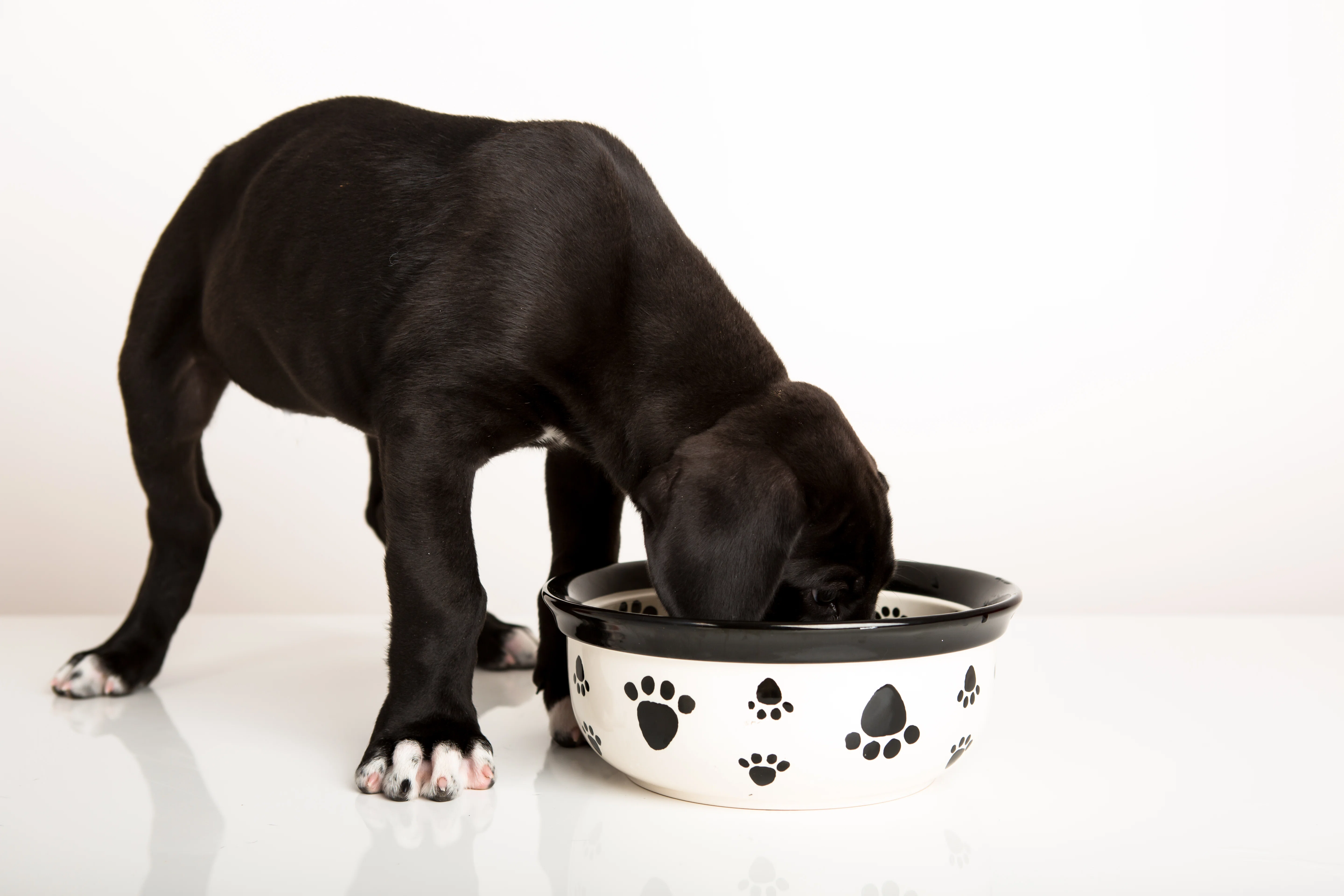
How to transition slowly
If there is one thing I could tape to every new puppy owner’s fridge, it is this: the switch should be slow. Even dogs with cast iron stomachs can get loose stool if you change food overnight.
Simple 7 to 10 day schedule
- Days 1 to 2: 75% old food, 25% new food
- Days 3 to 4: 50% old food, 50% new food
- Days 5 to 7: 25% old food, 75% new food
- Day 8+: 100% new food
If your dog has a sensitive stomach, stretch this out to 14 days. Slow is fast when you are trying to avoid a messy setback.
What if poop gets soft?
Pause at the current mix for a few days, or bump back one step. If you see vomiting, significant diarrhea, blood, or your pup seems lethargic, call your vet.
Also plan to watch stools and body condition for the next 2 to 4 weeks after the switch. Many dogs need a portion tweak once the higher puppy calories are gone.
Choosing adult food
The pet food aisle can feel like a pop quiz you did not study for. Here is the sanity-saving version of what matters most.
- Pick the right life stage: look for “adult” (or “adult maintenance”).
- Match size when it helps: large breed adult formulas can be useful for big dogs, especially for kibble size and overall nutrient profile.
- Look for an AAFCO statement: it should say the food is “complete and balanced” for adult maintenance.
- Be realistic about calories: many dogs need fewer calories after the puppy year, especially after spay or neuter when metabolism can shift.
If your dog is very athletic, working, or extremely active, talk to your vet about whether a higher-calorie adult formula makes sense. For most family dogs, “adult maintenance” is perfect.
Special cases
Spay or neuter timing
Some dogs gain weight more easily after spay or neuter. That does not automatically mean you must switch foods that week, but it does mean you should watch body condition closely and adjust portions sooner rather than later.
Mixed breeds with unknown adult size
If your puppy is a mix and you are unsure where they will land, use their current growth pattern plus the best estimate of adult weight. Your vet can help you estimate based on paws, body proportions, and growth curve.
Underweight puppies
If your pup is struggling to maintain weight or is recovering from illness or parasites, your vet may recommend staying on puppy food longer, or using a specific diet temporarily.
Dogs on a veterinary diet
If your puppy is on a prescription or therapeutic food, do not switch without veterinary guidance. Those diets are formulated for specific medical needs, not just life stage.
Large-breed puppies on “all life stages” food
Be cautious here, but do not panic. Some all-life-stages foods are a solid choice, as long as the label says it is complete and balanced for “growth,” and for large dogs it should specifically include “growth including growth of large size dogs (70 lb or more as an adult).” If your puppy is projected to be over 50 pounds, it is still worth a quick vet check-in to confirm the current food is truly supporting steady development.
Breeding, pregnancy, and nursing
If you have an intact female that is pregnant or nursing, nutrition needs change a lot. Talk with your vet about the right diet and life stage statement for that season.
My “are we ready?” test
If you are on the fence, ask yourself these three questions:
- Is my dog close to adult height? (Many small dogs are by 6 to 10 months. Big dogs take longer.)
- Has weight gain slowed to a crawl? (Not stopped completely, just clearly slowed.)
- Is my dog starting to look like a young adult instead of a baby? (Longer legs, less puppy pudge, more defined shape.)
If you answered yes to all three and your dog is within the typical age range for their size, you can usually start a gradual transition. If you are unsure, your vet can help you time it to your dog’s growth and body condition.
FAQ
Can I switch at 6 months?
Usually not, especially for medium, large, and giant breeds. At 6 months most puppies are still actively growing and need puppy nutrition. The main exception would be if your vet recommends a change for a medical or weight reason.
Do I have to switch at exactly 12 months?
No. Think of the timeline as a window, not a deadline. Breed size, genetics, and individual growth rate matter more than the calendar.
Should I change meal frequency when I switch?
Often, yes. Many puppies move from 3 meals a day to 2 meals a day somewhere between 6 and 12 months. Small breeds sometimes do best staying on 3 smaller meals a bit longer. If your dog gets barfy on an empty stomach, keep meals more frequent.
My dog refuses adult kibble. What now?
First, slow down the transition. Second, confirm you are not accidentally creating a picky eater by swapping flavors every two days. If the food is appropriate and your dog is healthy, try warming the kibble with a splash of warm water, or using a small amount of a consistent topper, then gradually reduce it. If appetite drops suddenly or your dog seems unwell, call your vet.
Is adult food lower quality than puppy food?
Nope. It is just formulated for a different job. Puppy food supports growth. Adult food supports maintenance.
Bottom line
Switching off puppy food is not about flipping a switch on your dog’s first birthday. It is about matching calories and nutrients to the growth stage.
- Small breeds: usually 9 to 12 months (toy breeds may finish earlier)
- Medium breeds: usually around 12 months
- Large breeds: usually 12 to 18 months (stay on large-breed puppy food until ready)
- Giant breeds: often 18 to 24 months
And if you take nothing else from this, take this: transition slowly. Your carpet will thank you.