The day you bring home a puppy, two things become immediately true: they have the energy of a tiny rocket, and their bodies are still under construction. That second part matters more than most new owners realize.
Puppies have growth plates, which are softer areas of developing bone near the ends of long bones. Until those plates close, repetitive high-impact exercise can increase the risk of injuries that you might not see until later, when the "cute bounce" turns into limping, soreness, or joint problems.
Let’s talk about what’s actually safe in the first year, what to avoid, and how to meet your puppy’s needs without asking their joints to do adult-dog work.
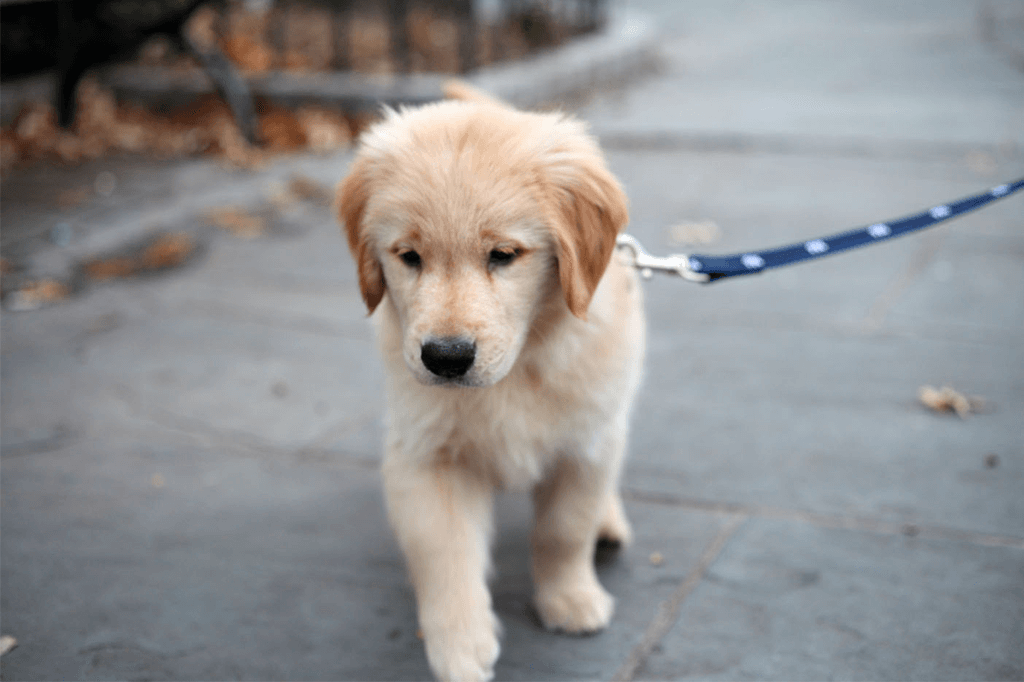
Why puppy joints need protection
When people say, "Don’t over-exercise a puppy," they are not trying to ruin your fun. They are trying to protect those growth plates.
Growth plates, in plain English
Growth plates are the areas where bones lengthen as your puppy matures. They are more vulnerable than mature bone, and hard impacts or repetitive stress can irritate or injure them. If a growth plate is damaged, it can affect how that bone grows and how the joint lines up.
When do growth plates close?
It depends on genetics, size, and which bone you are talking about. Different growth plates close at different times, and the only way to know for sure is with X-rays. That said, here are typical ranges vets often use as a practical guide:
- Small breeds often mature sooner (many plates close somewhere around 8 to 12 months).
- Medium breeds commonly land around 10 to 14 months.
- Large and giant breeds may not fully mature until 14 to 24 months.
Your veterinarian can give you a more specific estimate for your puppy’s breed mix and growth rate, especially if you have a large breed who looks like they’re growing in fast-forward.
The safest rule: let your puppy set it
If you remember one thing, let it be this: structured exercise is different from free play.
- Free play is puppy-led movement where they can stop, sniff, and take breaks whenever they want. That self-regulation is often protective.
- Structured exercise is owner-paced, continuous activity where your puppy is encouraged to keep moving (even politely). Think leash marches, long hikes, jogging, or repetitive fetch.
One important caveat: free play is not automatically safe. Some puppies will absolutely run themselves into the ground when they are hyped up, especially during intense play with other dogs. Your job is to be the boring grown-up who calls breaks before their joints file a complaint.
A tired puppy can look like a happy puppy right up until the moment they crash, get mouthy, or wake up stiff the next morning.
Safe exercise by age
You’ve probably heard the "5 minutes per month of age" rule. It can be a helpful rule of thumb for short, structured leash walks, but it is not a veterinary standard, and it ignores breed differences, surface type, and intensity.
Use this section as a practical range for structured activity (leash walks, training strolls). Free play and sniffing time can be added on top as long as your puppy is not getting sore.
8 to 12 weeks
- Goal: short outings, lots of rest, gentle exploration.
- Structured exercise: 5 to 10 minutes at a time, 1 to 3 times daily.
- Best activities: sniff walks in the yard, short leash practice, very gentle play, tiny training sessions.
This is the age where you get more value from socialization and confidence-building than from mileage.
Public place safety: before your puppy is fully vaccinated, ask your vet what areas are safe in your region. Parvo and other diseases can be picked up in high-dog-traffic spots (some parks, pet store floors, shared potty areas). You can still socialize smartly: carry them, use a stroller, visit friends with healthy vaccinated dogs, or choose clean, low-traffic places your vet approves.
3 to 4 months
- Structured exercise: 10 to 20 minutes at a time, 1 to 2 times daily.
- Best activities: leash walks with sniff breaks, puppy playdates with calm dogs, low-impact tug, basic cues.
Watch the "puppy flop." If they suddenly sit, lag behind, or turn into a land shark, that’s often fatigue, not attitude.
5 to 6 months
- Structured exercise: 20 to 30 minutes at a time, once or twice daily.
- Best activities: longer sniffy walks, gentle hill walking on dirt or grass, short training games, beginner body-awareness exercises.
This is when many pups look big enough to "go on a real hike." Their bones disagree.
7 to 9 months
- Structured exercise: 30 to 45 minutes depending on breed and fitness, with breaks.
- Best activities: varied terrain, controlled play, short sessions of fetch with rules, beginner scent games.
Adolescence can make them feel endlessly energetic. Their joints still need the kid-gloves approach.
10 to 12 months
- Structured exercise: 45 to 60 minutes for many medium breeds, but large breeds may still need moderation.
- Best activities: longer walks, longer hikes with frequent breaks, skill-building training, swimming if they enjoy it.
At this stage, you can increase duration gradually, but high-impact habits still matter. If your puppy is a large breed, think of the first year as "training for adulthood," not trying to match your adult-dog expectations.
Breed and body type matter
Two puppies can be the same age and have totally different "safe exercise" limits.
Large and giant breeds
If your pup is a Labrador, Golden, German Shepherd, Bernese Mountain Dog, Great Dane, or a similar big kid, take joint protection seriously. These dogs often stay lanky and loose-jointed longer, and their growth plates typically close later.
- Favor multiple shorter sessions over one big outing.
- Be cautious with stairs, jumping, and repetitive fetch.
- Keep them lean. Extra weight is extra stress on soft tissues and developing joints.
Small breeds
Small dogs can still be over-exercised, but their bigger risk is often accidents (jumping off furniture, slipping on tile, being bowled over by larger dogs). Joint protection still counts.
- Use rugs or traction runners on slick floors.
- Consider pet steps or lifting them off high beds and couches while they are young.
Long-backed dogs
Dachshunds and other long-backed breeds need extra care around jumping and stairs because spinal stress can be a bigger long-term concern than the typical growth plate conversation.
Risky exercises (and swaps)
I am not here to ban fun. I am here to keep you from accidentally raising a puppy who moves like a creaky screen door at age five.
Long runs and jogs
Why risky: repetitive impact, little self-regulation, often on hard surfaces.
Try instead: brisk walks with sniff breaks, short bursts of jogging for a few seconds as a game, or save running for after maturity and conditioning.
Endless fetch
Why risky: hard stops and turns, lots of repetition, puppies will keep going for the ball even when tired.
Try instead: 3 to 6 throws on grass, then switch to training or sniffing. Better yet, make fetch “structured” instead of chaotic: one throw, then a recall, then a calm sit, then a short pause, then you decide if there is another throw.
Jumping on and off furniture
Why risky: repeated impact on shoulders, elbows, hips, and wrists.
Try instead: ramps or pet steps, or teach a simple "wait" so you can lift them down.
Lots of stairs
Why risky: repeated pounding, especially on the way down.
Try instead: carry your puppy when possible early on, block stair access with a gate, and practice controlled stair walking later in small doses.
Big hikes with steep climbs
Why risky: fatigue increases sloppy movement and injury risk, especially on rocky descents.
Try instead: shorter nature walks where the goal is sniffing and confidence, not distance.
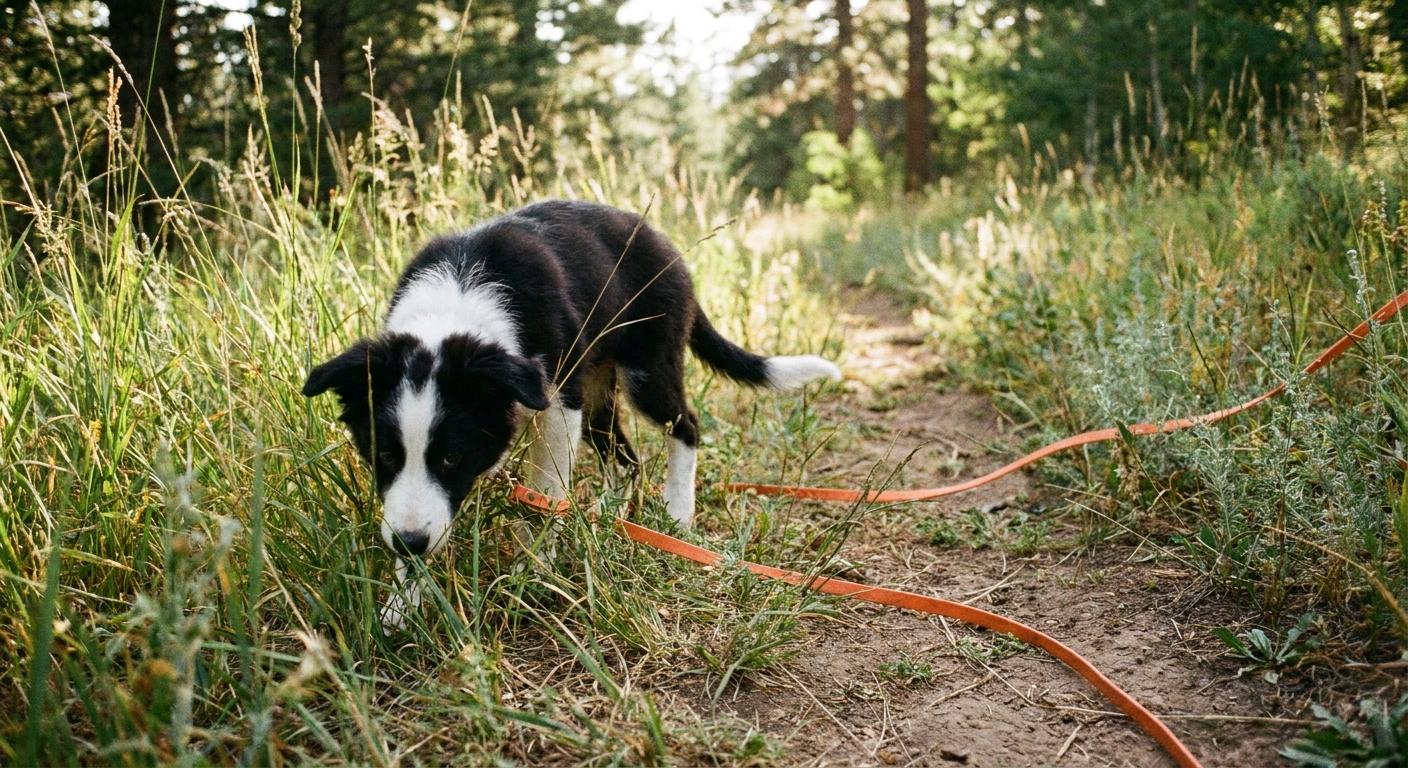
How to tire them out safely
If your puppy seems to have endless energy, you do not necessarily need more exercise. You often need better outlets.
Sniffing is exercise
A 15-minute sniff walk often tires out a puppy more than a 30-minute march around the block. Let them read the neighborhood newspaper, aka every blade of grass.
Training is exercise
Short sessions sprinkled through the day can be magic for high-energy pups:
- sit, down, touch, stay
- loose leash walking practice in the driveway
- mat training (settle on a bed)
- leave it and drop it (your shoes will thank you)
Food games and enrichment
- stuffed frozen Kongs or Toppls
- snuffle mats
- scatter feeding in grass
- puzzle toys on rainy days
Low-impact play
- tug with rules (start and stop on cue, keep it low)
- gentle chase games with you moving slowly, not sprinting
- playdates with well-matched dogs who take breaks
Swimming (for the right puppy)
Swimming can be fantastic low-impact conditioning for many dogs, but introduce it safely. Not every puppy is a natural swimmer, and cold water or panic paddling is not the goal. Use a dog life jacket and keep sessions short.
Surfaces and weather
The same activity can be fine on one surface and rough on another.
- Best: grass, packed dirt trails, sand in moderation, forest floors.
- Harder on joints: concrete sidewalks, asphalt, slippery tile.
- Extra caution: icy pavement, loose rocks, steep descents.
Heat matters, too. Puppies can overheat quickly, and hot asphalt can burn paw pads. In warm weather, pick shade, bring water, keep outings short, and choose cooler parts of the day.
If you want one tiny upgrade that makes a big difference, pick softer ground whenever you can for your puppy’s main play sessions.
Rest is part of the plan
Exercise does not build strong puppies all by itself. Rest does a lot of the heavy lifting. Many puppies need roughly 18 to 20 hours of sleep per day, especially in the early months. If your puppy is acting like a tiny gremlin, they might not need a longer walk. They might need a nap.
Signs you did too much
Puppies are not always great at sending polite signals. Here are the signs I watch for in my foster pups:
- limping during or after exercise
- stiffness when getting up from rest
- reluctance to climb into the car or go up a step they normally handle
- bunny hopping (both back legs moving together)
- slowing down, sitting, or suddenly refusing to walk
- crankiness, extra mouthiness, or "wild" behavior after activity (often overtired)
If you see these, take a break for a couple of days, switch to sniffing and brain games, and call your vet if limping lasts more than 24 hours or your puppy seems painful.
Common questions
Is it OK to take my puppy on a hike?
Usually yes, if it is short, sniffy, and flexible. Choose an easy trail, avoid steep descents, bring water, and plan to turn around before your puppy is wiped out. For large breeds under a year, keep the distance modest and prioritize soft terrain.
If your puppy is not fully vaccinated, check with your vet about which trails and parks are safe. Some popular dog routes are high-risk for parvo and parasites.
Can my puppy go for runs with me?
I would not do regular runs with a growing puppy. Save consistent running for after maturity and once your vet agrees your pup is ready. In the meantime, do walks with short, playful bursts of jogging on grass if you want to practice a future routine.
How many times a day should I walk my puppy?
Most puppies do well with 1 to 2 short structured walks plus several mini potty walks and plenty of brief play and training. Think multiple small opportunities rather than one giant workout.
What about dog parks?
Dog parks can be hit or miss for puppies. The biggest risks are being body-slammed by larger dogs, learning rude play habits, or getting overwhelmed.
There is also a health piece: for puppies who are not fully vaccinated, dog parks can be a risky place for exposure to parvo and other infectious diseases, plus parasites. If you use a dog park at all, go during quiet times, keep it brief, and leave while things are still positive. Many puppies do better with a known playmate or a well-run puppy class.
Should I avoid stairs completely?
You do not have to treat stairs like lava, but I would avoid repeated stair workouts. For young puppies and large breeds, carrying them or limiting trips early on is joint-friendly. Teach slow, controlled stair use when they are ready.
Does spay or neuter timing change anything?
It can. In some dogs, especially larger breeds, altering timing may influence growth patterns and when growth plates close. This is a nuanced, breed-specific conversation. If you are trying to plan exercise, sports, and spay or neuter timing, your vet is the best person to help you connect the dots for your individual puppy.
A simple daily routine
If you want a low-stress plan that works for most puppies, try this general rhythm:
- Morning: potty, 10 to 20 minute sniff walk, breakfast in a puzzle toy
- Midday: short training session (5 minutes), potty, nap
- Afternoon: gentle play in the yard, a few fetch throws on grass, then chewing enrichment
- Evening: another sniff walk or calm neighborhood stroll, then settle practice
Notice what is missing: forced running, marathon fetch, and nonstop action. Puppies grow best with a balance of movement and rest.
When to ask your vet
Talk to your veterinarian if:
- your puppy has ongoing limping, stiffness, or soreness
- you have a large or giant breed and want help building a safe conditioning plan
- your puppy has an unusual gait, repeated bunny hopping, or trouble getting up
- you are considering canine sports early (agility, dock diving, running)
Also ask about nutrition and body condition. Proper growth is not just about exercise. Keeping a puppy lean is one of the best gifts you can give their joints.
Your puppy only gets one set of growing joints. You do not need to keep them wrapped in bubble wrap, but you do want to keep their workouts age-appropriate. When in doubt, trade distance for sniffing, trade impact for brain games, and remind yourself: slow, steady growth now pays off in a strong, happy adult dog later.