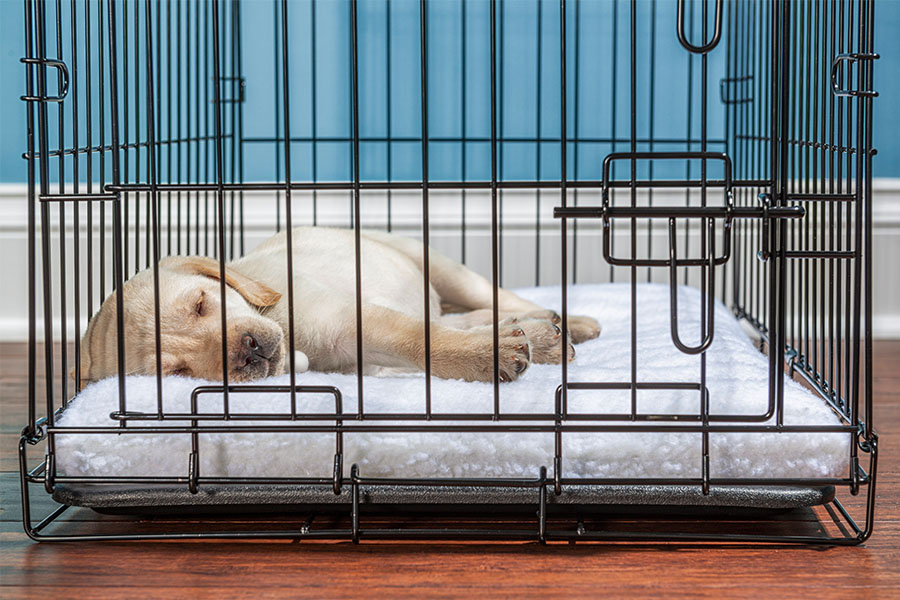
Yes, puppies need lots of sleep
If you’re staring at your brand-new puppy snoring through yet another chunk of the day and thinking, Should I be doing more?, take a deep breath. Puppies are supposed to sleep a ton.
In my foster house, I often see that the pups who get the best sleep tend to have an easier time with things like potty training, nipping, and that classic 7:30 PM toddler meltdown. Sleep is not “wasted time” for a puppy. It’s when their brain processes new skills, their body grows, and their nervous system calms down.
The tricky part is that many puppies do not know how to put themselves to bed. They hit the overtired zone, their behavior gets wilder, and suddenly you are holding a leash attached to a zooming piranha. That is where a nap schedule can save your sanity.
How much do puppies sleep?
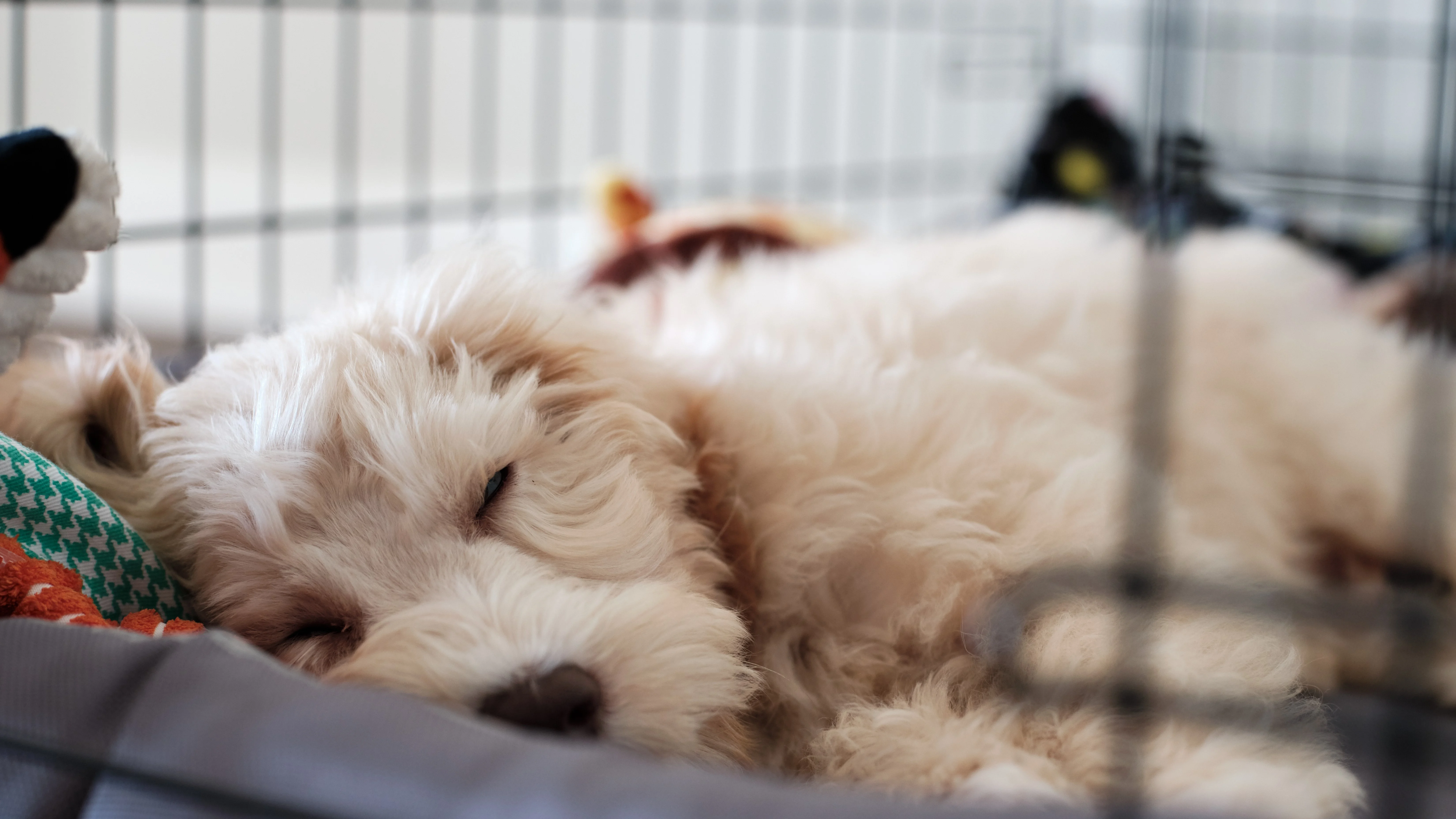
Most young puppies need about 16 to 20 hours of sleep in a 24-hour period. Some land closer to 15, some closer to 20, and it can vary a lot by breed, lifestyle, and the individual dog.
Here’s a realistic range for the first year. Think of these as common patterns, not strict rules.
| Puppy age | Total sleep in 24 hours (typical range) | What that often looks like |
|---|---|---|
| 8 to 10 weeks | 18 to 20 hours | Short wake windows, many naps, frequent potty breaks |
| 10 to 12 weeks | 18 to 20 hours | Still very sleepy, but can stay up a bit longer after play and meals |
| 3 to 4 months | 16 to 18 hours | Longer play sessions, many still need enforced naps to prevent bitey evenings |
| 5 to 6 months | 14 to 16 hours | Fewer naps, more stamina, teen behavior begins |
| 7 to 12 months | 12 to 15 hours | More adult-like pattern, many still benefit from a daily quiet nap |
Breed and size note: giant-breed puppies often sleep on the higher end because growth is intense. Many toy breeds also sleep a lot, but may wake more easily. Working and herding breeds can look like they “do not need sleep,” right up until they melt down from being overtired. Also, some high-energy puppies actually do better with more sleep and more structure, not more exercise.
Signs your puppy is overtired
Overtired puppies rarely lie down politely and close their eyes. They usually act like they drank an espresso the size of their body.
- Sudden wild zoomies that do not settle after a minute or two
- Extra bitey, especially grabbing hands, clothes, and ankles
- Not listening to cues they know, or getting “stuck” repeating a behavior
- Grumpy barking or demand whining for attention
- Clumsy movement, faceplanting into toys, bonking into furniture
- Potty accidents that happen right after they were just outside
If your puppy is acting like a tiny chaos goblin and you have already done the big three (potty, water, and a little play), try assuming nap before you assume “my puppy is broken.”
Quick safety note: if your puppy seems unusually lethargic (hard to wake, weak, wobbly, not interested in food), or sleepiness comes with vomiting, diarrhea, coughing, trouble breathing, pale gums, or a sudden behavior change, call your vet.
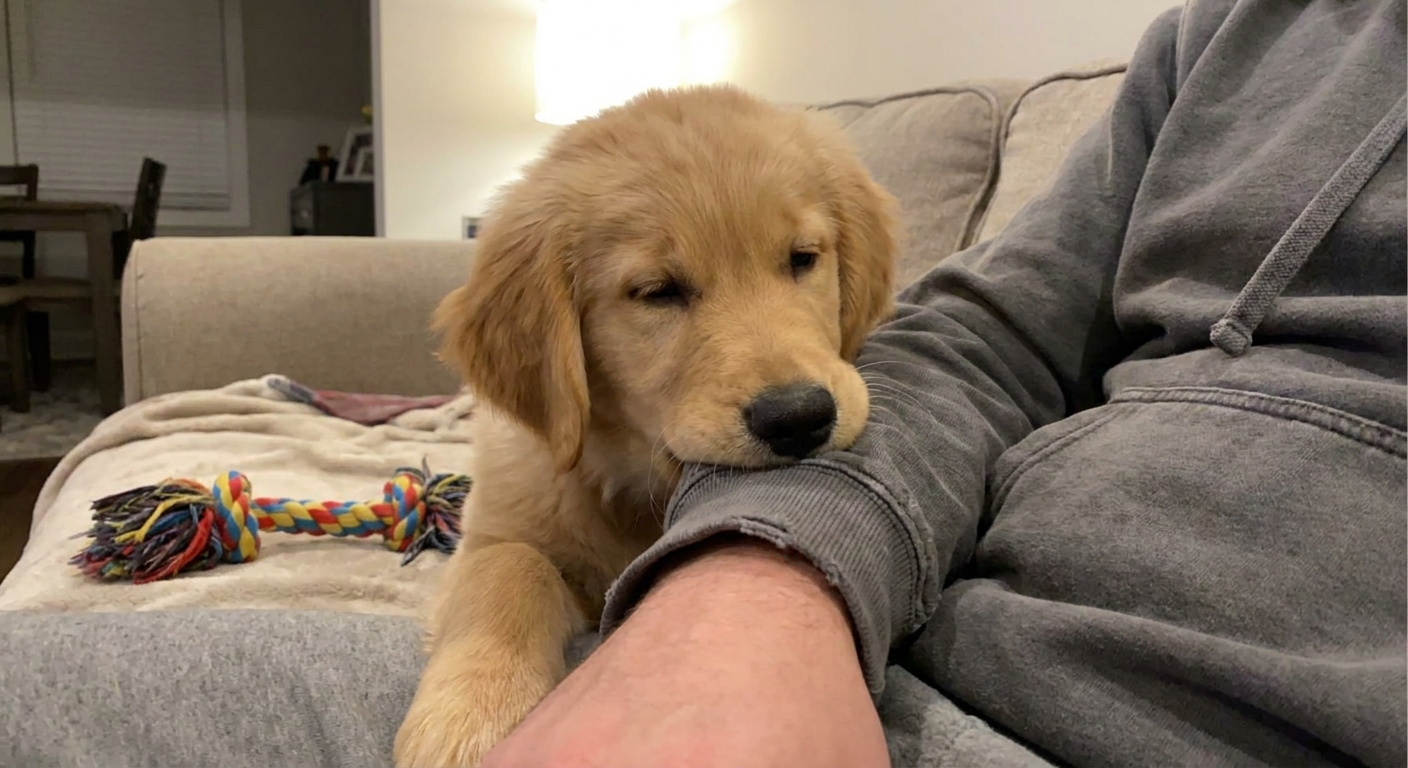
Wake windows matter most
A schedule is helpful, but puppies are not robots. What often matters more than the clock is how long your puppy has been awake. “Wake windows” are not a medical prescription, just a practical way to spot your puppy’s personal limits before the crash.
As a starting point:
- 8 to 12 weeks: awake about 30 to 60 minutes, then nap
- 3 to 4 months: awake about 60 to 90 minutes, then nap
- 5 to 6 months: awake about 90 to 120 minutes, then nap
- 7 to 12 months: awake about 2 to 4 hours, then nap or quiet time
If your puppy hits the bitey, frantic stage at minute 75 every day, congratulations, you just found your pup’s wake window limit. Put nap time before the crash.
A nap schedule that works
This is a flexible rhythm I use for many fosters. Adjust the times to fit your life, but keep the pattern: potty, food, play or train, potty, nap.
Example day (8 to 12 weeks)
- 6:30 AM: Potty
- 6:45 AM: Breakfast + water
- 7:00 AM: Gentle play, 3 to 5 minutes of training, cuddles
- 7:30 AM: Potty, then nap in crate or pen (60 to 120 minutes)
- 9:00 AM: Potty, short play, chew time
- 10:00 AM: Nap
- 12:00 PM: Potty + lunch, then a little training
- 1:00 PM: Nap
- 3:00 PM: Potty + play, very short walk or backyard sniffing
- 4:00 PM: Nap
- 6:00 PM: Potty + dinner
- 6:30 PM: Calm play, chew, family time
- 7:15 PM: Potty, then nap (the “witching hour” lifesaver)
- 9:30 PM: Potty + bedtime routine, then sleep
- Overnight: Many 8 to 12 week puppies need 1 to 2 potty trips at first. Some need more, and some (especially larger pups) may do one. Adjust based on your puppy and your vet’s guidance.
Example day (3 to 6 months)
- Morning: potty, breakfast, walk or play, then nap
- Midday: potty, lunch (if still on 3 meals), training game, then nap
- Afternoon: potty, play, chew, then nap
- Evening: potty, dinner, family time, then a short nap before bedtime if needed
By 6 months, many puppies move toward two to three naps per day plus overnight sleep. Some still need that late-afternoon nap to avoid gremlin mode.
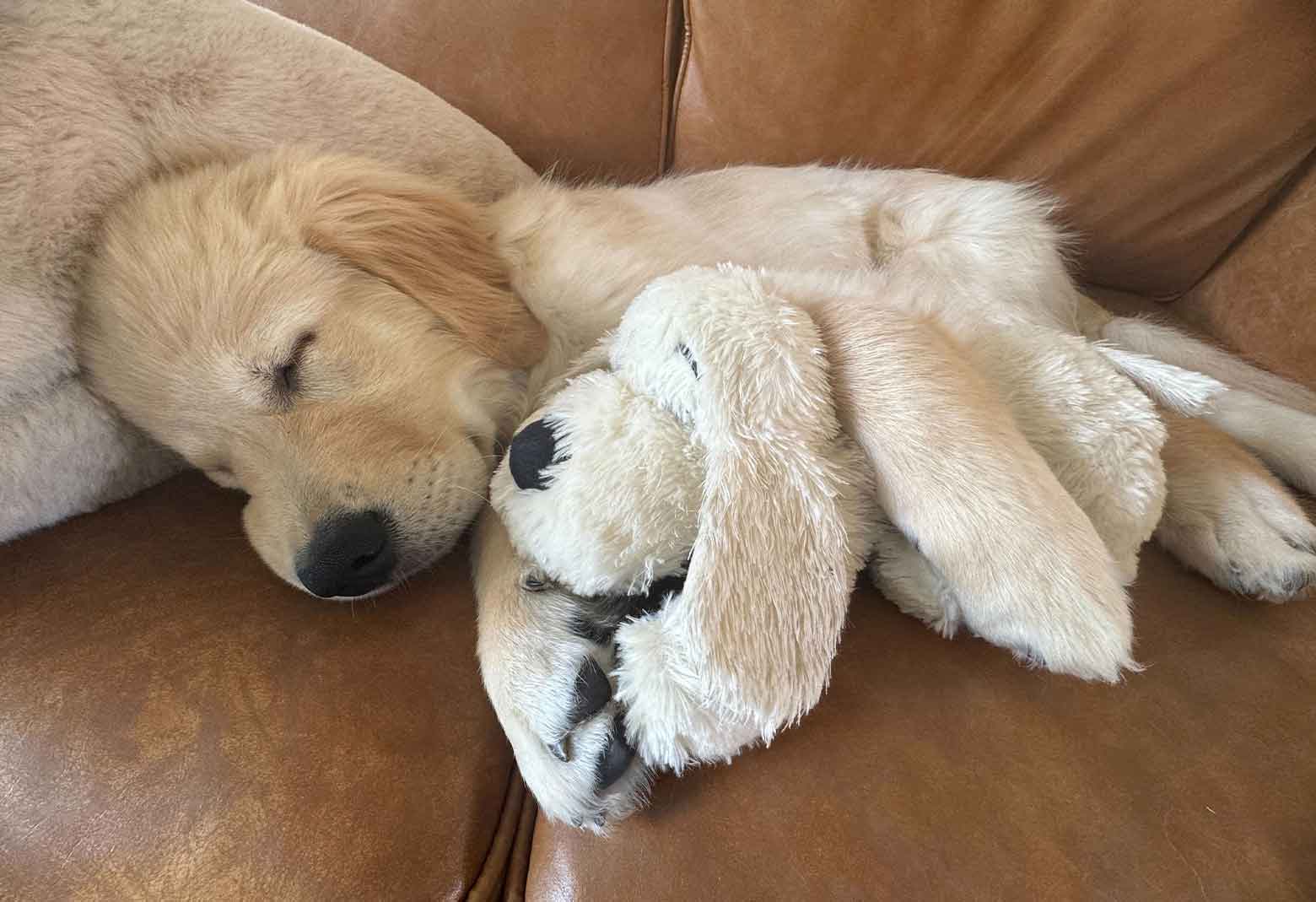
How to enforce naps kindly
I get it. You finally have a puppy and you want to hang out with them. But overtired puppies do not get sweeter with more interaction. They get mouthier.
Enforced naps are not punishment. They are a gift. Here’s how to do it without making the crate feel like puppy jail.
1) Do a quick pre-nap checklist
- Potty trip (even if they “just went” 45 minutes ago)
- A drink of water
- 2 to 5 minutes of calm training or a little sniffy play
- A safe chew or stuffed food toy (optional, but helpful)
2) Use one consistent sleep spot
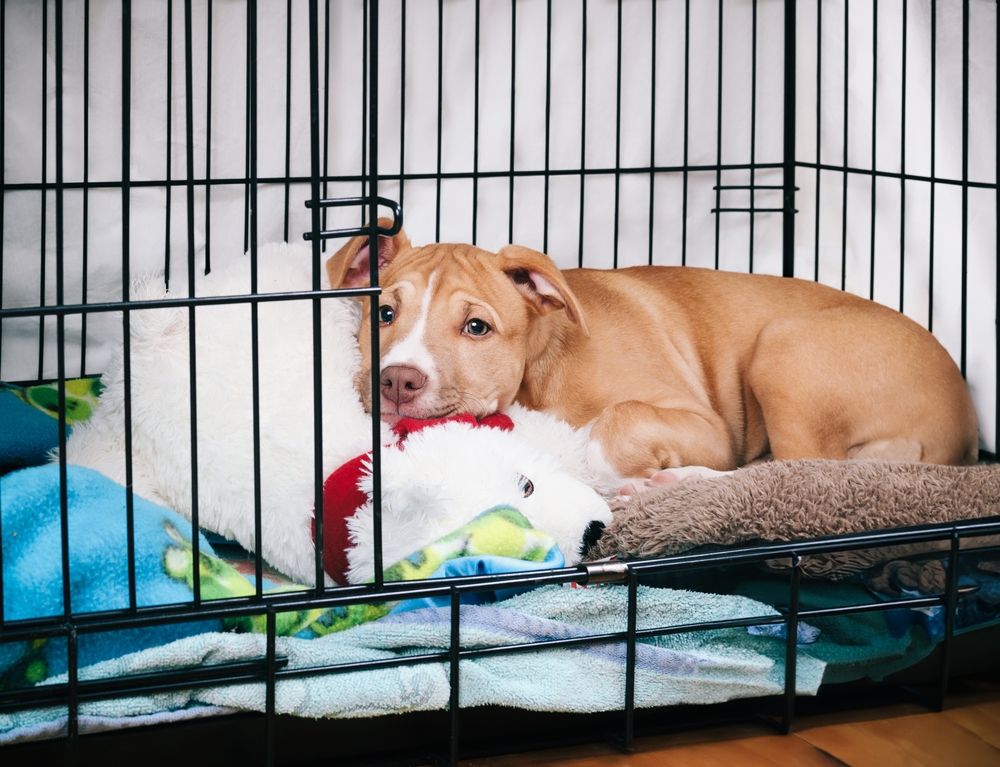
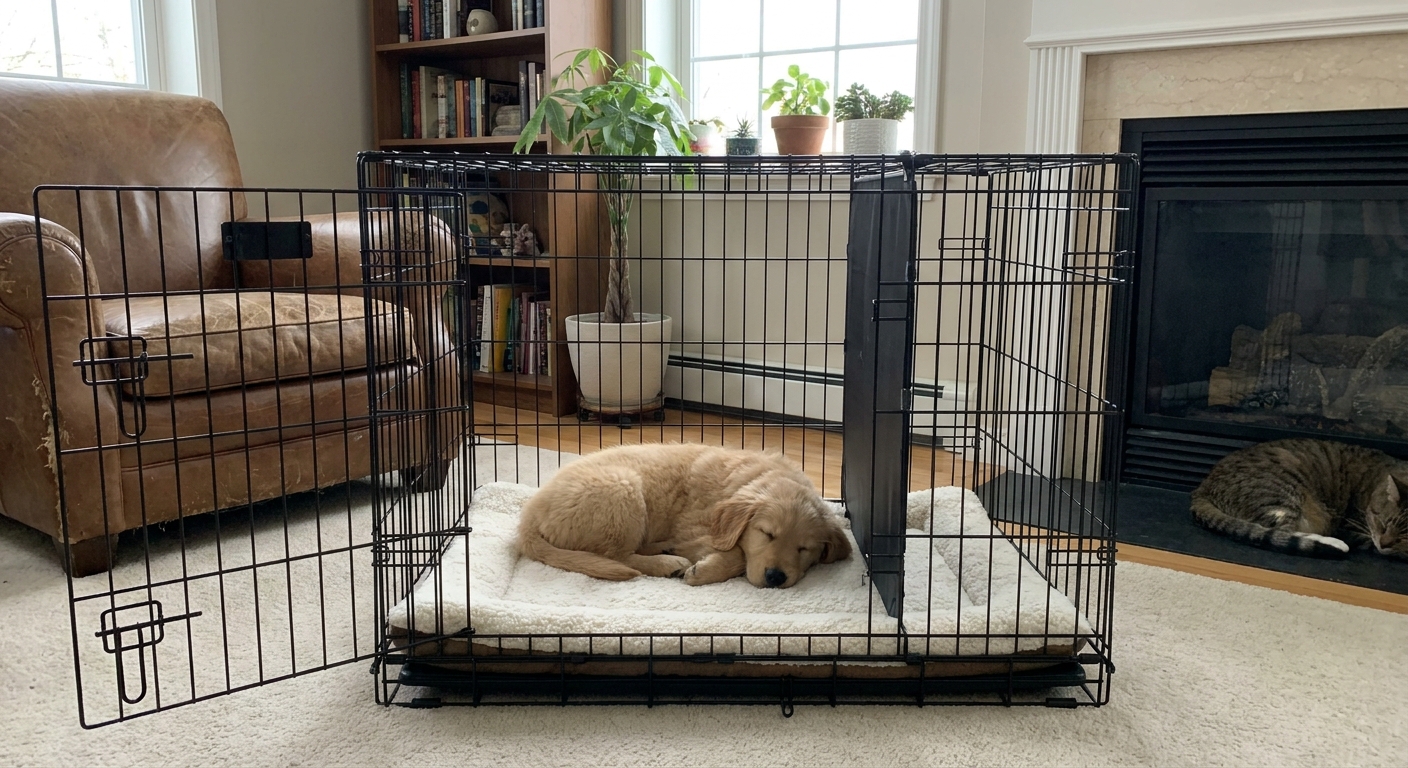
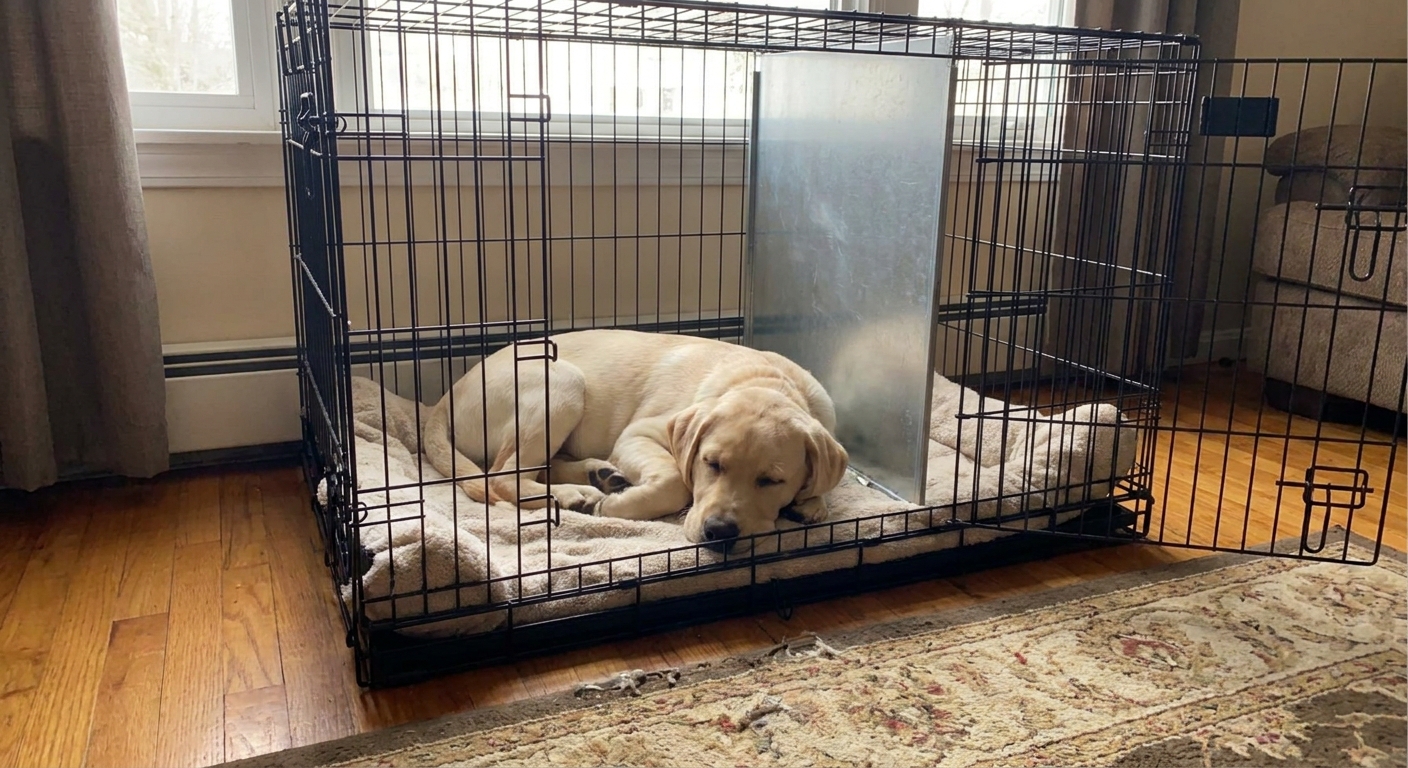
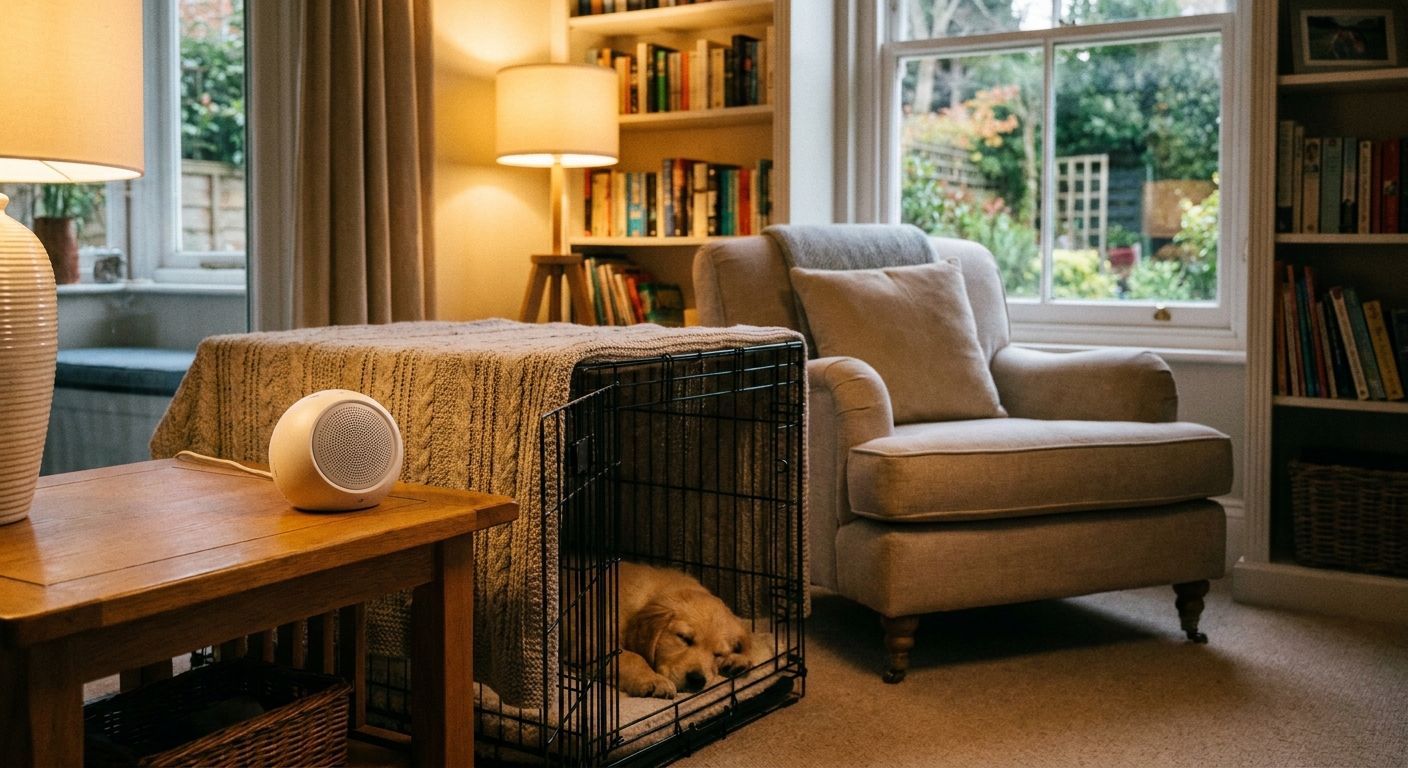
Most puppies nap best in a crate or a puppy-proof pen with a bed. The goal is fewer choices and less stimulation. If you are working on crate training, make sure your puppy also gets positive crate time when they are not in trouble, like tossing treats in, feeding meals in the crate, or giving a special chew only in that space.
If your puppy gets FOMO (fear of missing out), try:
- Covering part of the crate with a breathable cover
- White noise or a fan
- Moving the crate to a quieter room for naps
3) Keep nap time boring
Dim the lights. Keep voices low. No big goodbyes. I like a simple cue like “nap time” and then I walk away.
4) If they fuss, pause before you intervene
A little whining can be normal. Many puppies complain for a minute or two, then pass out.
That said, if the crying escalates or sounds panicky, troubleshoot:
- Did they actually potty?
- Is the crate too hot or too cold?
- Are they truly tired, or did you try to nap them right after a long nap?
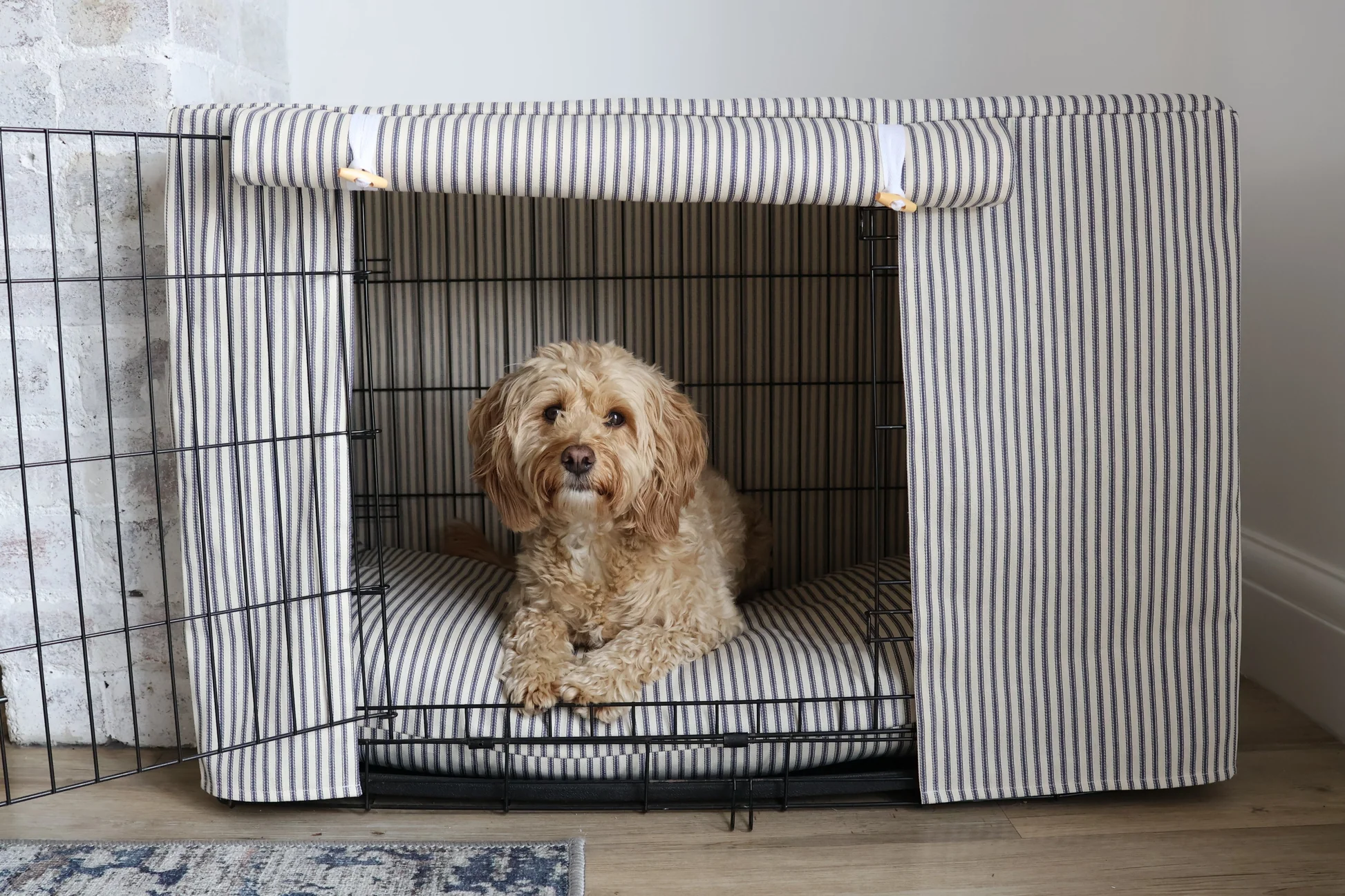
Crate naps vs. free naps
In a perfect world, every puppy would curl up on a rug and sleep through your work calls. Some do. Many do not. They pop up every time you move, and then you end up with a puppy who never hits deep sleep.
Crate naps help because they:
- reduce stimulation
- build comfort with the crate (which helps vet visits, travel, and safety)
- prevent sneaky chewing and potty accidents
Free naps are great too, especially as your puppy matures. I usually aim for a mix: structured crate or pen naps when they are little, and more relaxed “choose your spot” naps as they show they can settle.
Nap tools: what helps
Helpful
- Crate or exercise pen: the nap headquarters
- Appropriate chew or food toy: puppy-safe, the right size, and hard to shred
- White noise: great for light sleepers and busy households
- Light blanket cover: for pups who wake up at every shadow
Safety basics for crate naps
- Supervise new chews at first: until you know your puppy’s chewing style.
- Skip anything that splinters, breaks into chunks, or can be swallowed: if you have doubts, ask your vet.
- Consider removing collars and harnesses in the crate: many trainers recommend it to reduce snag risks, especially with wire crates.
Usually not worth it
- Hours of intense exercise to “wear them out”: overtired pups often get worse, not better
- Constant entertainment: a puppy who never learns to be bored struggles later
- Letting them power through: most puppies do not “push past” tiredness and settle nicely
Sleep changes in year one
You will notice sleep needs wobble throughout the first year. That is normal.
- Growth spurts: your puppy may suddenly sleep extra long naps for a few days.
- Teething (around 3 to 6 months): sore mouths can make pups restless. Offer vet-approved chews and keep nap routines steady.
- Adolescence (often 6 to 12+ months): they may fight naps even when they need them. Calm structure wins.
If your puppy’s sleep changes come with symptoms like vomiting, diarrhea, coughing, limping, refusing meals, trouble breathing, pale gums, or a sudden personality shift, loop in your vet. Extra sleep can be normal, but it can also be a sign your pup is not feeling well.
FAQ
Is it normal for my puppy to sleep all day?
For young puppies, yes. If your puppy is awake for short bursts, eating well, and has normal bathroom habits, lots of sleep is typical. If they are hard to wake, seem weak, or stop eating, call your vet.
How long should a puppy nap?
Anywhere from 30 minutes to 2 hours is common, and some puppies will take a glorious 3-hour nap after a busy morning. Focus more on total daily sleep and behavior when awake.
Should I wake my puppy up to potty?
During the day, I usually let them sleep unless it has been a very long time and they are prone to accidents the second they wake. Overnight, many young puppies need scheduled potty breaks at first. As they mature, let them sleep longer stretches.
My puppy will only nap on me. What do I do?
You are not alone. Start by transferring them to the crate or pen when they are sleepy, not fully asleep, and give a consistent routine. You can also sit nearby for a few minutes, then gradually increase distance over several days.
How do I know if my puppy is getting enough sleep?
The biggest clue is their awake-time behavior. A well-rested puppy is still playful and silly, but they can learn, settle, and chew without turning frantic. If evenings are a daily bite-fest, try adding an afternoon nap and shortening wake windows.
My go-to nap rule
If your puppy has been awake for an hour or two and suddenly becomes extra mouthy, extra zoomy, or extra dramatic, do not take it personally. It is very often sleep.
Potty, into the crate or pen, lights low, white noise on. Give it 10 minutes. In most homes, the “problem behavior” disappears right along with the puppy, snoring like they pay rent.